How to Organize a Spice Drawer So You Can Read Every Label

Measure the drawer and your jars, choose an order you’ll actually keep, then pick a tiered insert, a liner, or uniform jars.
 Avery Linden
Measure the drawer and your jars, choose an order you’ll actually keep, then pick a tiered insert, a liner, or uniform jars.
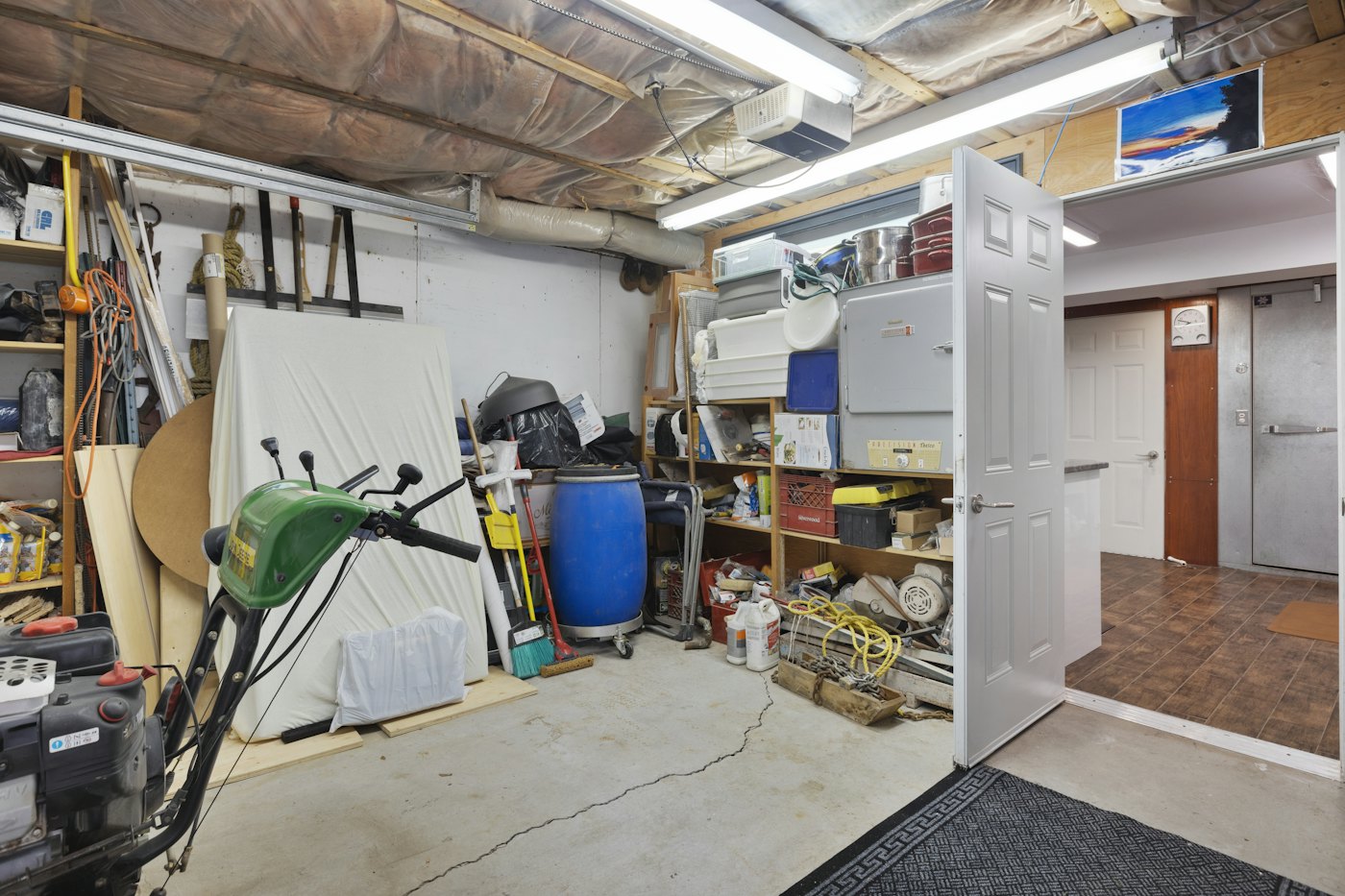
Clear the floor, map the wall into three height bands, find the studs, then choose pegboard, rails, or shelving that suits the load.
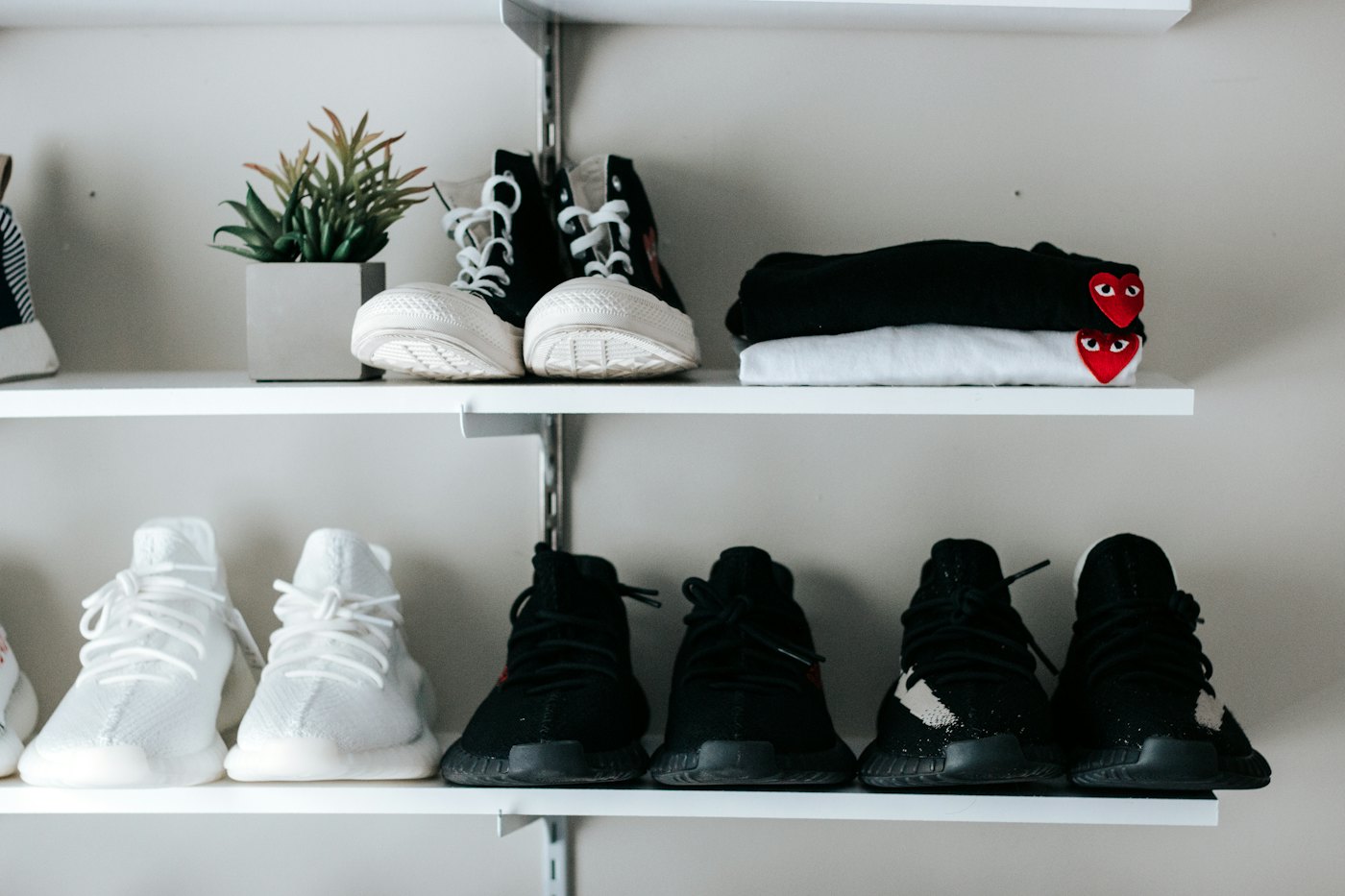
Count your pairs, measure the space you can spare, then pick a floor rack, shelf dividers, or an over-door organizer.
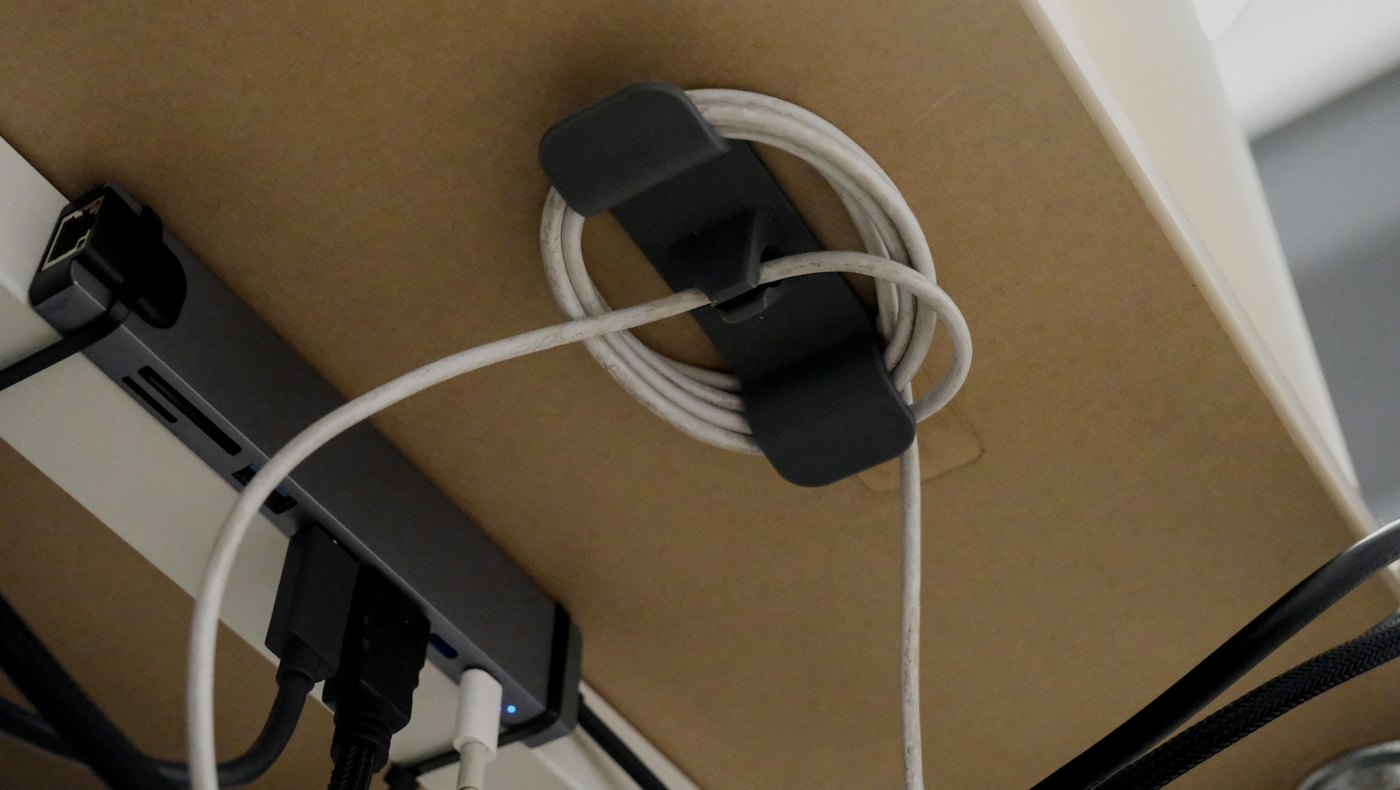
Map every cable, lift the power strip off the floor, and route cords along one path for a tidier desk you can finish in an afternoon.
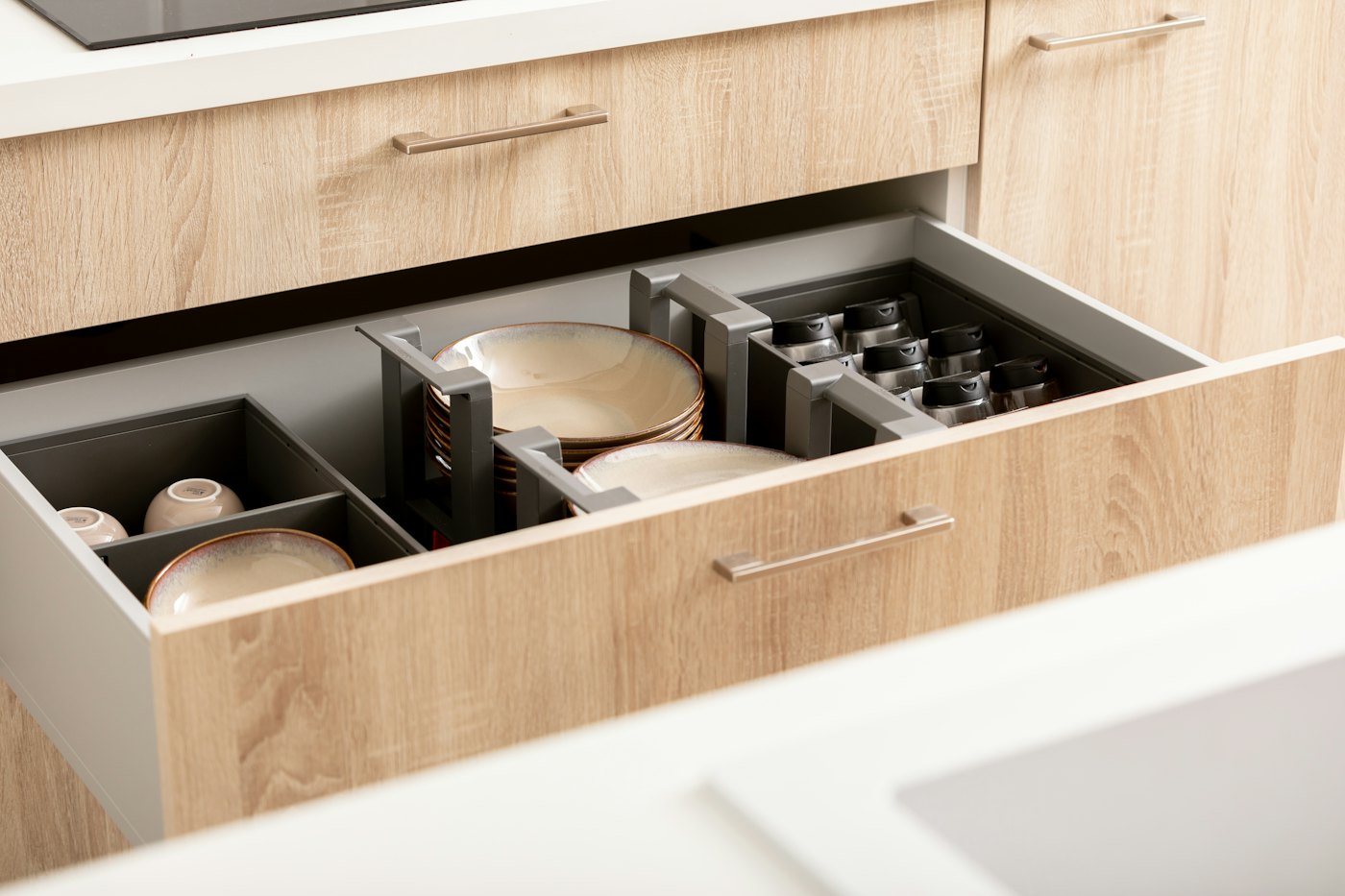
Compare a full-height wood pull-out, a two-tier wire basket, and a low slide-out shelf by listed dimensions, minimum opening, and the cabinets each one suits.
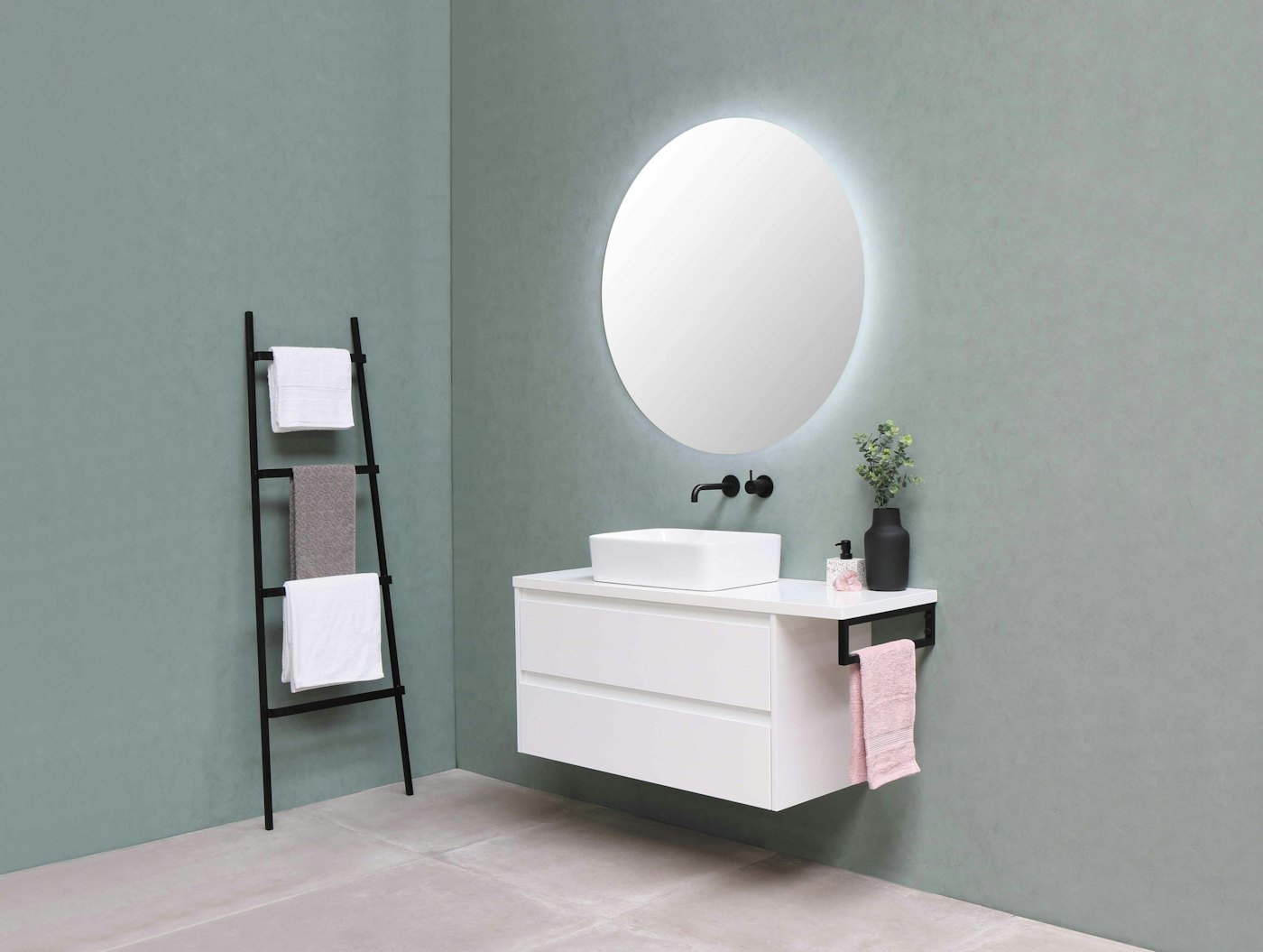
Compare five under-sink organizers by manufacturer dimensions, access, and fit tradeoffs. Includes a cabinet measuring checklist and model-specific cautions.

Push the monitor back to at least 20 inches, keep a clear strip for the keyboard and a notebook, put daily tools within arm’s reach, lift cables off the floor and give paper one inbox: four desk zones with a worked 48-inch desk example.

Do one rod, shelf or drawer per session, count the inches of rod your clothes really need, put daily wear at shoulder height, wash wool before it goes on the shelf and leave a little slack: a small closet reset with a worked rod-space example.
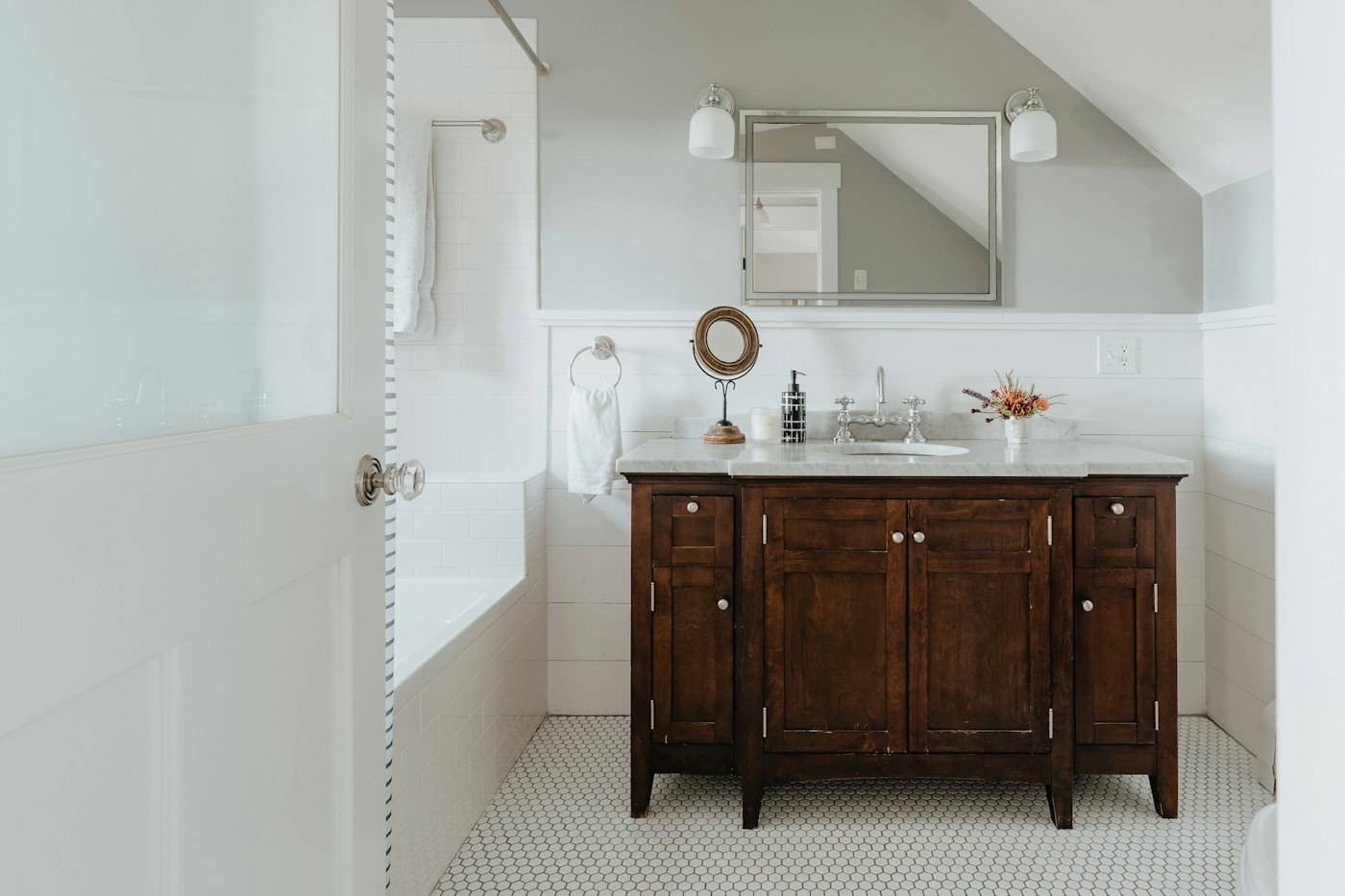
Check for leaks first, measure the U-shaped space the plumbing leaves, keep both shutoff valves reachable, and put cleaners up high or locked: a bathroom under-sink plan with a worked 30-inch vanity example.
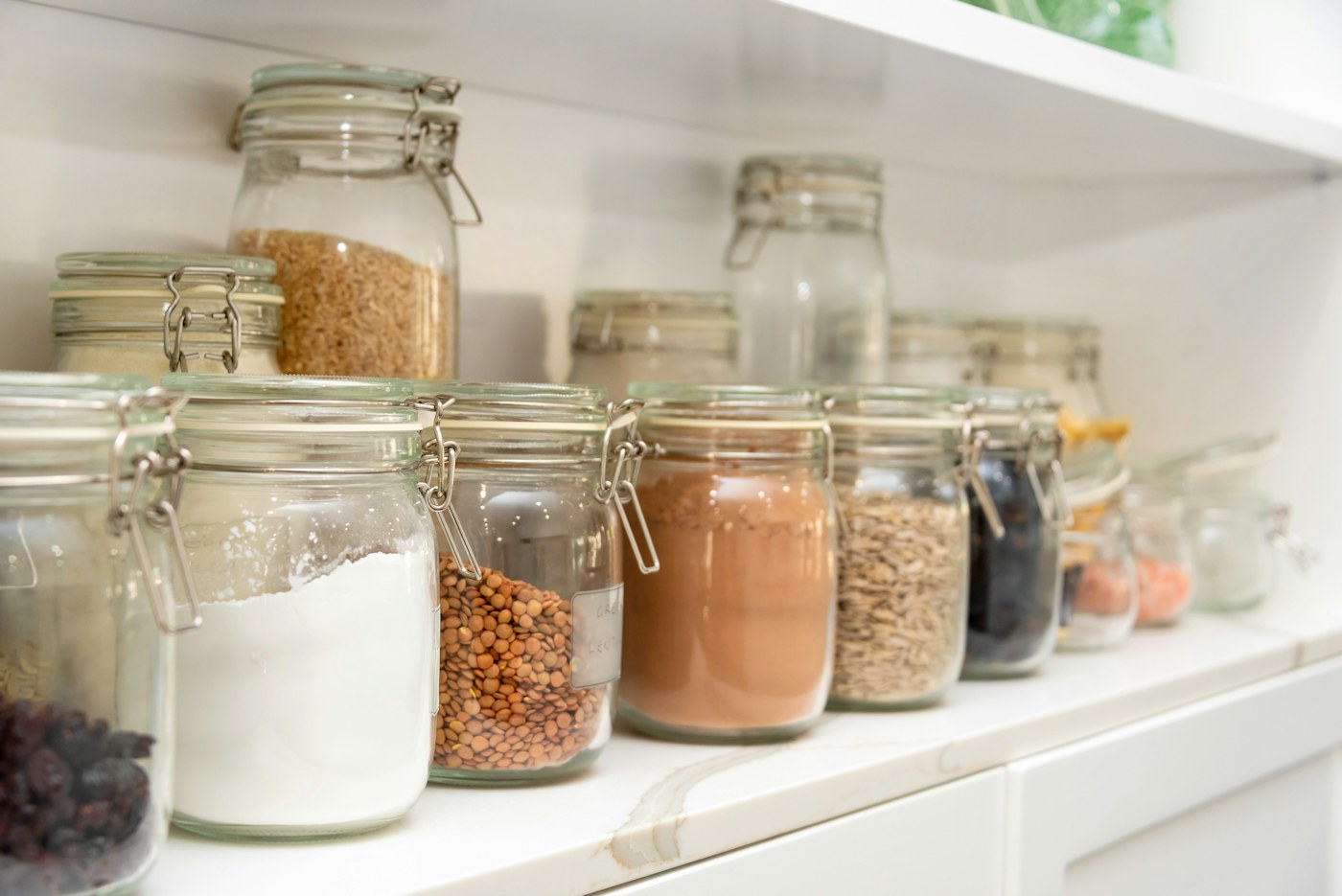
Check the temperature, give each shelf one job by height, seal the foods pantry moths love, leave a 20 percent gap for the next shopping trip and rotate oldest-first: a small pantry reset with a worked shelf example.