Shoes take more room than almost anything else in a small closet, and they rarely fit neatly. The right storage depends less on how many pairs you own than on which space you can give up: a strip of floor, a shelf, or the back of the door.
Keep the pairs you wear weekly on the floor or a low rack, move occasional pairs up to a shelf or into labeled boxes, and use the door only for flat, lightweight shoes. Measure first: the space you have decides the format.
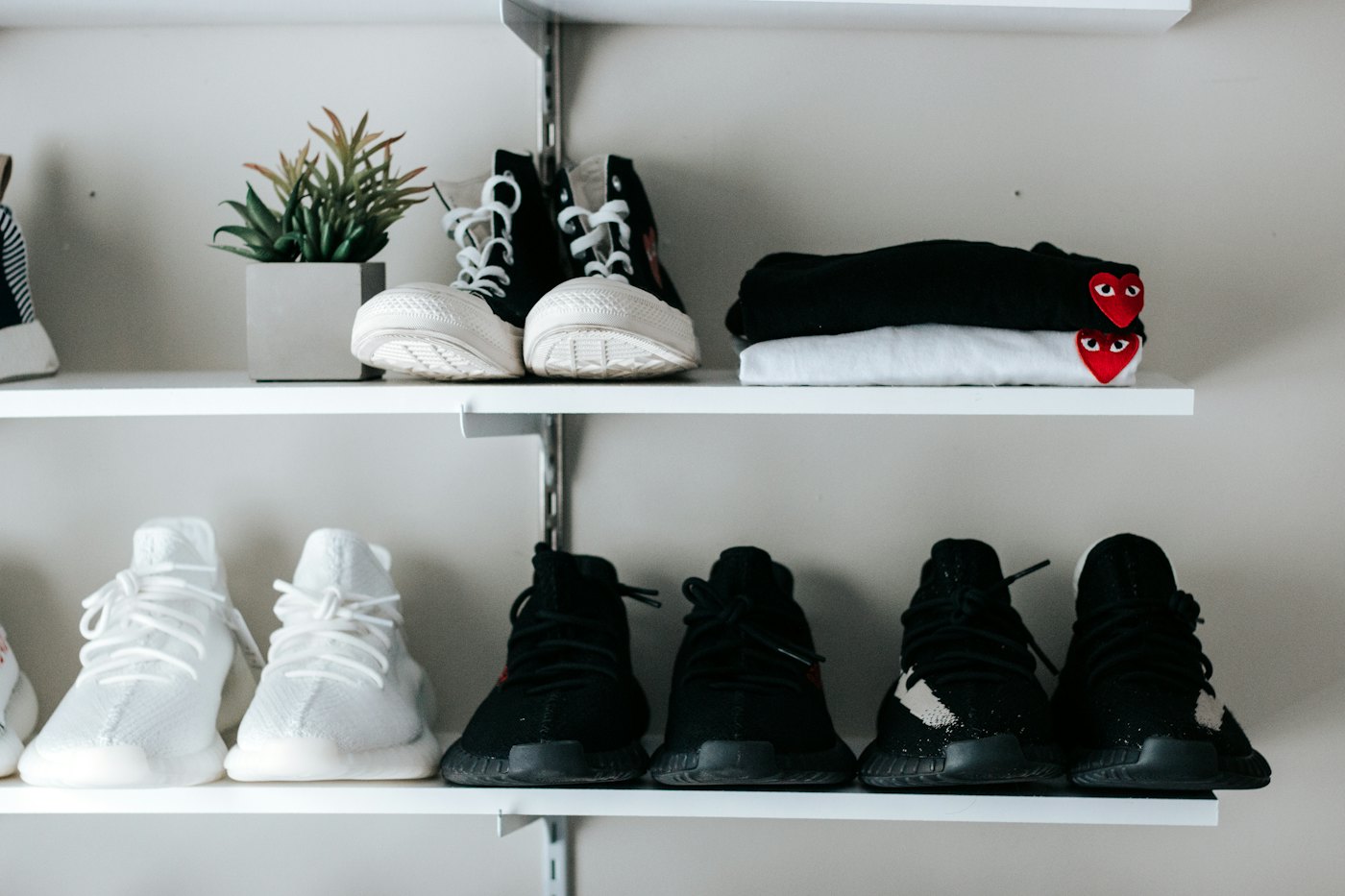
1. Count and sort before you measure
Pull every pair out and sort into three piles. Be honest about the third one.
- Weekly: the shoes you actually wear most weeks.
- Seasonal or occasional: boots, sandals, formal shoes, sport shoes.
- Not worn in a year: candidates to donate, repair, or store elsewhere.
Only the weekly pile needs the most convenient spot. Seasonal pairs can go higher, deeper, or under the bed.
2. Measure the space you can actually give up
Measure three places and write the numbers down.
- Floor strip: width of clear floor under the hanging clothes, and depth from the back wall to the door frame.
- Clear height under hanging clothes: floor to the bottom of your longest shirts or dresses.
- Door: door thickness at the top, gap between the closed door and the frame, and clearance to anything behind the door.
Then measure your largest regular pair: length heel to toe and height at the tallest point. Many adult shoes need roughly 12 to 13 inches of depth per pair, but measure yours rather than relying on a typical figure.
3. Three formats and where each one fits
| Format | Works best when | Watch out for |
|---|---|---|
| Floor rack (one or two tiers) | You have a clear floor strip under short hanging clothes | Tier spacing too low for high-tops or boots; rack depth wider than the floor strip |
| Shelf with dividers or boxes | You have a high shelf or an unused shelf section | Hard to reach daily; clear boxes help you see what’s inside |
| Over-door organizer | The door closes with room to spare and nothing is behind it | Hooks can stop the door closing; heavy shoes stretch pockets |
Floor racks
A low rack keeps weekly pairs visible and off the floor so you can still vacuum underneath. Stackable racks let you add a tier later. Check the clear height between tiers against your tallest everyday shoe.
Shelves and boxes
Use the top shelf for seasonal pairs. Uniform boxes stack more steadily than mixed shoeboxes, and a label or photo on the front saves you opening each one.
Over-door organizers
Good for flats, sandals, and slippers. Before buying, check that the hooks suit your door thickness and that the door still closes with the organizer full.
Worked example: a 30-inch floor strip
Imagine 30 inches of clear floor width, 14 inches of depth, and 26 inches of height below your hanging clothes. A two-tier rack 28 inches wide fits the width with 2 inches to spare. At about 7 to 9 inches per adult pair, each tier holds roughly three to four pairs side by side, so six to eight pairs in total.
If your weekly pile is ten pairs, that rack covers most of it. Put the remaining two on the door or rotate them out, rather than buying a taller rack that blocks your hanging clothes.
4. What to buy, and in what order
- Nothing until you have sorted and measured.
- A low floor rack sized to your floor strip, for weekly pairs.
- Stackable clear boxes for seasonal pairs on a shelf.
- An over-door organizer only if the door test passes.
Compare shoe storage
Affiliate disclosure: As an Amazon Associate I earn from qualifying purchases. These links open Amazon search results for the formats in this guide, not recommendations for a specific model. Match the dimensions to your measurements before buying.
Questions
Where do tall boots go?
Lying flat in a long box on a shelf, or standing on the floor with boot shapers. Most low racks don’t have the tier height for tall boots.
Should shoes go in boxes?
For occasional pairs, yes: boxes keep dust off and stack well. For weekly pairs, open storage is faster and lets damp shoes air out.
What if I rent?
Freestanding racks and over-door organizers need no screws. Check that over-door hooks won’t scratch the door or frame.
Keep reading
More guides for your space

THE KINDRED JOURNAL
Latest from the journal
- Small Entryway Storage: A Landing Spot for Shoes, Bags, and Keys
 Give shoes, bags, coats, and keys one home each by the door. A small entryway plan with measurements, walkway clearance, and a short buying order.
- Kitchen Sink Cabinet Organization: Work Around the Pipes and Disposal
 Plan the cabinet under a kitchen sink around the drain, disposal, and shutoff valves. Zones, measurements, leak checks, and storage that keeps access clear.
- Over-the-Door Pantry Racks: Will One Fit Your Door?
 Check door thickness, the gap above the door, shelf clearance, and swing before buying an over-the-door pantry rack. A fit checklist with a worked example.
- Under-Bed Storage: Bins, Drawers, or Bed Risers?
 Measure the clearance under your bed, then choose low bins, rolling drawers, or bed risers. A practical guide with a fit calculation and stability checks.
- Closet Shelf Dividers: How to Measure, Choose, and Fit Them
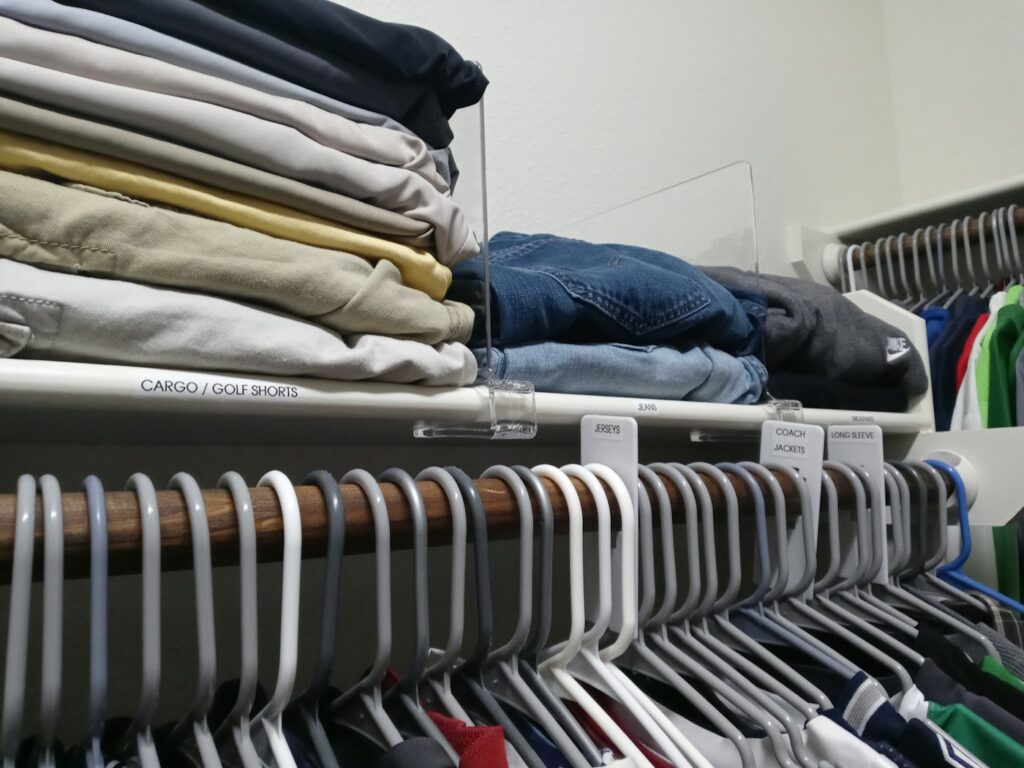 Stop folded stacks from toppling with shelf dividers. Measure shelf thickness and height, pick clip-on, freestanding, or bin-style dividers, and plan the spacing.
- How to Organize Deep Kitchen Cabinets So Nothing Gets Lost at the Back
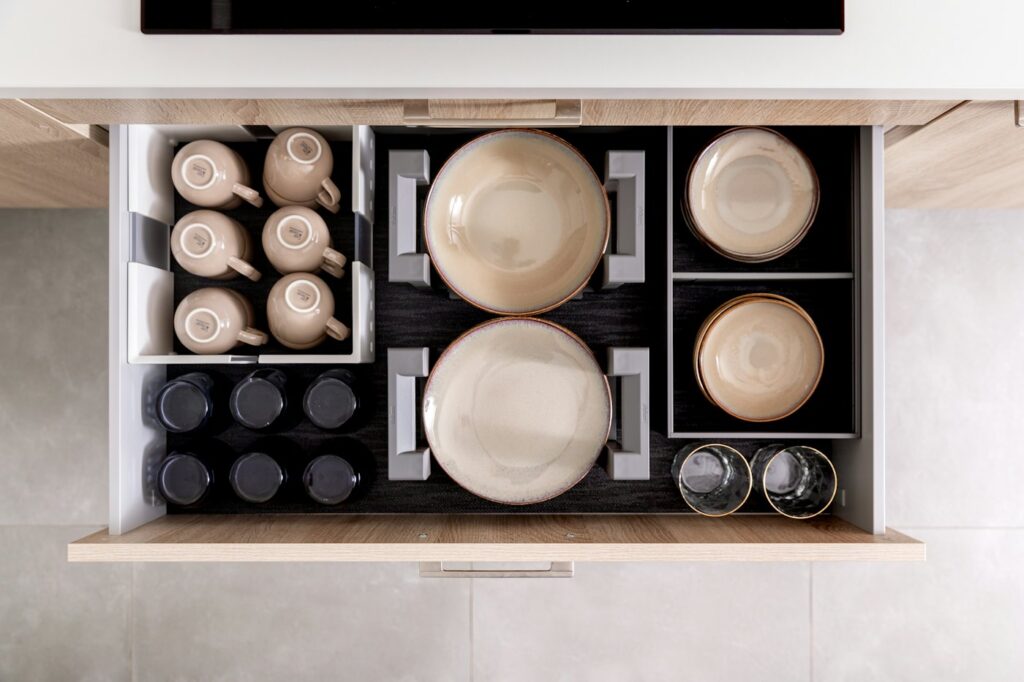 Bring the back of a deep cabinet forward with zones, handled bins, risers, or a pull-out. A practical plan with a fit calculation and a short buying order.
- Small Bathroom Storage Without Drilling: A Renter-Friendly Plan
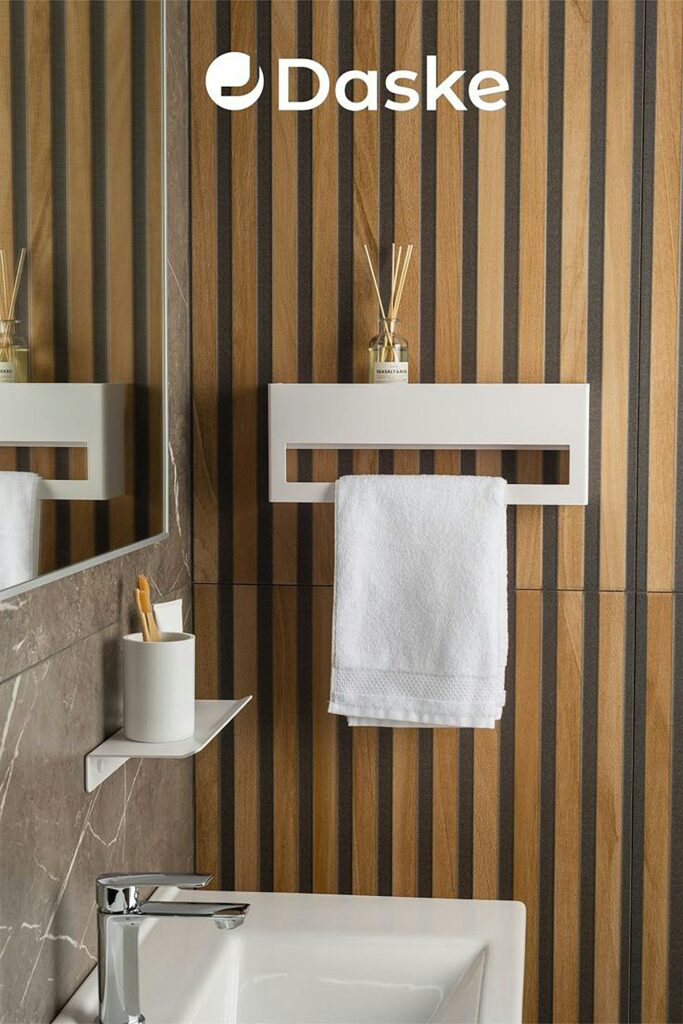 Use the space over the toilet, inside the vanity, behind the door, and on the counter without drilling into walls. A renter-friendly plan with fit and safety checks.
- How to Organize a Spice Drawer So You Can Read Every Label
 Measure the drawer and your jars, choose an order you’ll actually keep, then pick a tiered insert, a liner, or uniform jars. A practical spice drawer plan with a fit calculation.
- Garage Wall Storage: Plan the Wall Before You Buy the System
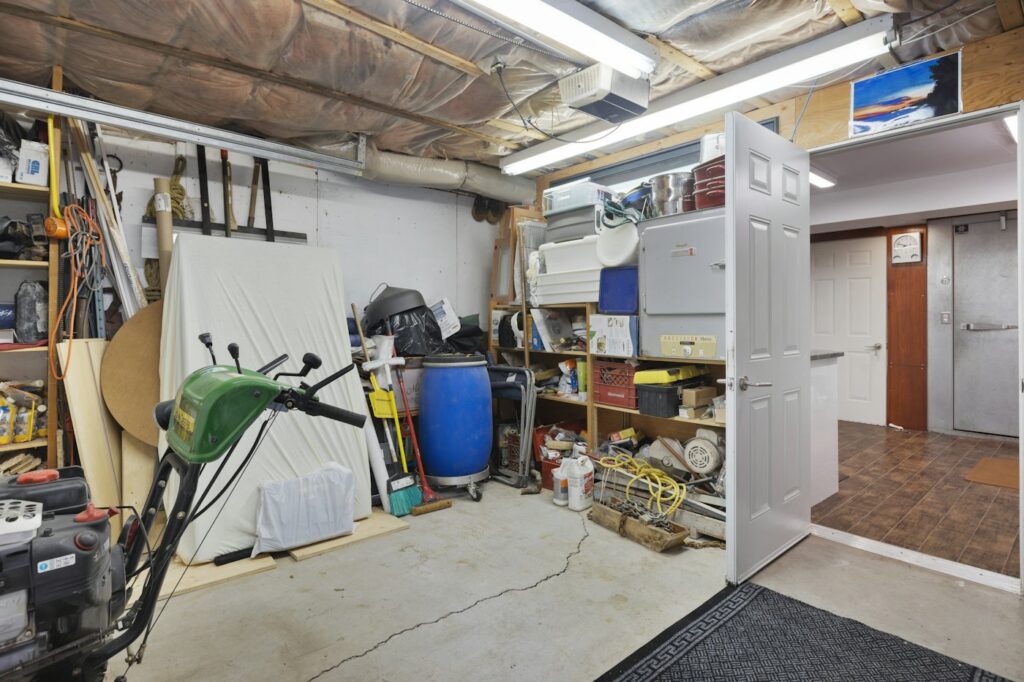 Clear the floor, map the wall into three height bands, find the studs, then choose pegboard, rails, or shelving. A practical garage wall plan with load and safety checks.