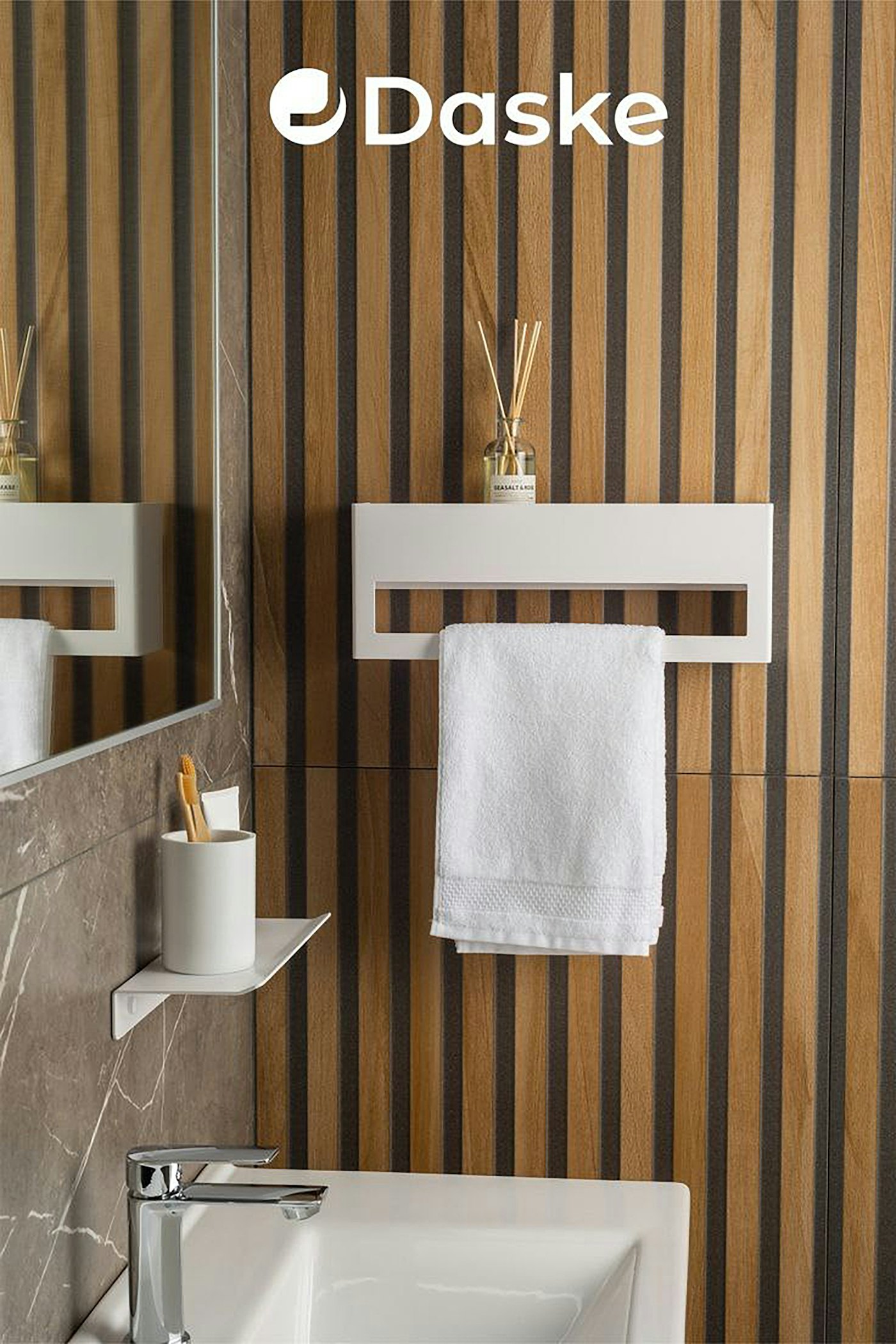
Small bathrooms run out of flat surfaces fast, and many renters can’t drill into tile or walls. You still have four places to work with: over the toilet, inside the vanity, behind the door, and a small part of the counter. Use them in that order and the counter stays clear.
Keep only daily items on the counter, move backups into the vanity, add a freestanding over-toilet unit for towels, and use the back of the door for robes and light baskets. Measure before buying, and check that anything freestanding stands steadily.
1. Sort into daily, weekly, and backup
Empty the counter, the vanity, and any shelves. Sort into three groups:
- Daily: toothbrush, face wash, the products you use every morning and night.
- Weekly: hair tools, cleaning supplies, occasional skincare.
- Backup: unopened toiletries, spare toilet paper, extra towels.
Daily items get the counter and the front of the vanity. Everything else moves out of sight.
2. Four spaces you can use without drilling
| Space | Good for | No-drill options |
|---|---|---|
| Over the toilet | Towels, backup toiletries, a small basket | Freestanding over-toilet shelving |
| Inside the vanity | Backups, cleaning supplies, hair tools | Stacking drawers, bins, a door-mounted caddy that hooks over the door |
| Behind the door | Robes, towels, light baskets | Over-door hooks or racks |
| Counter | Daily items only | One tray or a small tiered organizer |
For the vanity, our under-sink measuring guide walks through pipes and hinges, and our under-sink organizer comparison covers five specific models.
3. Measure before you buy
- Over the toilet: width between the wall and any vanity or tub, depth from the wall to the front of the tank, and height to the ceiling or a light fixture.
- Toilet tank: the width and height of the tank, so a freestanding unit straddles it with clearance to lift the lid.
- Door: thickness at the top, and the gap to the frame when closed.
- Vanity: opening width, usable depth, and height below the pipes.
Worked example: a 5-by-8 bathroom
Imagine a toilet with 24 inches of wall space beside it and a tank 18 inches wide. A freestanding over-toilet unit needs legs outside the tank, so look for one with an inside width comfortably over 18 inches and an outside width under 24. Check that the lowest shelf sits high enough to lift the tank lid.
Inside the vanity, a pair of narrow stacking drawers on either side of the pipes holds backups. Over the door, a rack with two hooks holds robes. The counter keeps one tray with the daily items. Nothing was drilled, and the counter has room to work.
4. Fit and safety checks
- Freestanding over-toilet shelving can tip if loaded unevenly. Put heavier items low, keep the top light, and follow the manufacturer’s guidance on anti-tip straps.
- Make sure the toilet lid and tank lid can still open fully.
- Check that over-door hooks let the door close without forcing the latch.
- Adhesive hooks can damage paint when removed. Test in an inconspicuous spot and follow the removal instructions.
- Keep medicines and cleaning products out of children’s reach.
5. What to buy, and in what order
- A tray for the counter.
- Bins or stacking drawers for the vanity.
- A freestanding over-toilet unit, sized to your measurements.
- Over-door hooks or racks.
Compare no-drill bathroom storage
Affiliate disclosure: As an Amazon Associate I earn from qualifying purchases. These links open Amazon search results for the item types in this guide, not recommendations for a specific model. Check dimensions and stability before buying.
Questions
Are tension-rod shelves a good idea?
They can work between two solid walls or in a shower, but they can slip if overloaded or if the surfaces are uneven. Keep loads light and check the rated weight.
Where should towels go in a tiny bathroom?
One in use on a hook or bar, spares rolled on an over-toilet shelf or in a hall closet. Rolled towels take less shelf width than folded ones.
Can I use adhesive hooks on tile?
Some are designed for tile and smooth surfaces. Check the product’s surface and weight rating, and expect steam to weaken some adhesives over time.
Keep reading
More guides for your space

THE KINDRED JOURNAL
Latest from the journal
- Small Entryway Storage: A Landing Spot for Shoes, Bags, and Keys
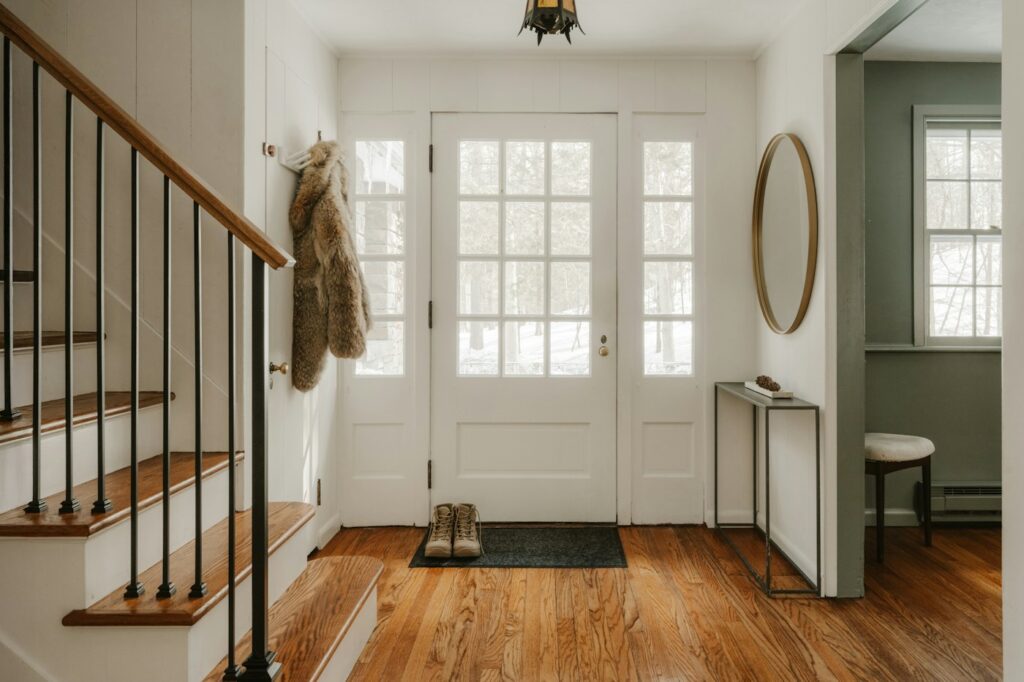 Give shoes, bags, coats, and keys one home each by the door. A small entryway plan with measurements, walkway clearance, and a short buying order.
- Kitchen Sink Cabinet Organization: Work Around the Pipes and Disposal
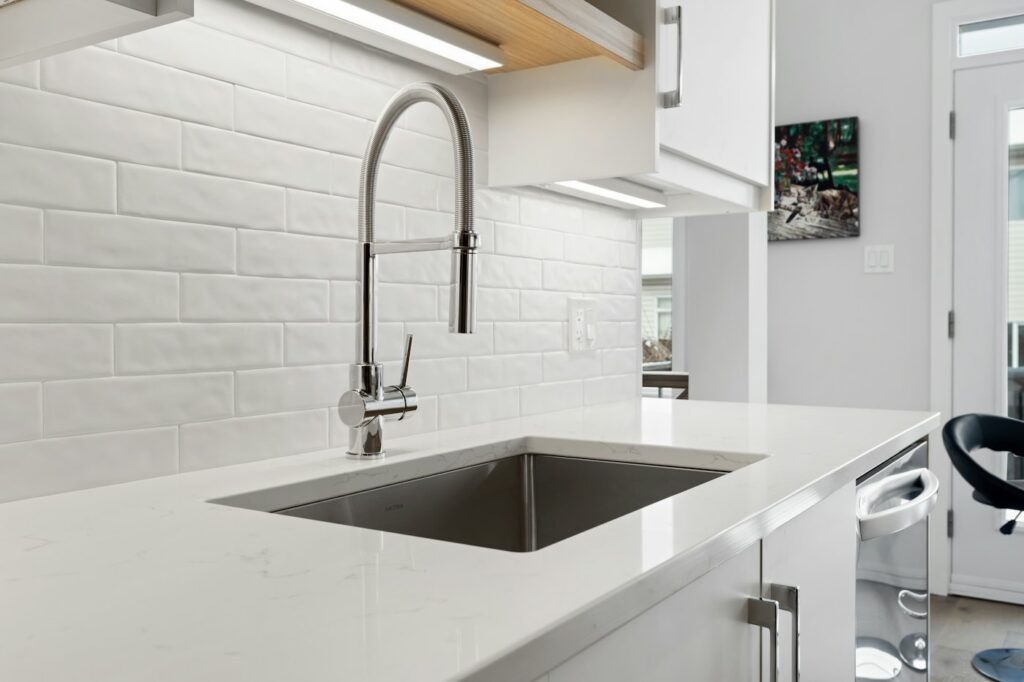 Plan the cabinet under a kitchen sink around the drain, disposal, and shutoff valves. Zones, measurements, leak checks, and storage that keeps access clear.
- Over-the-Door Pantry Racks: Will One Fit Your Door?
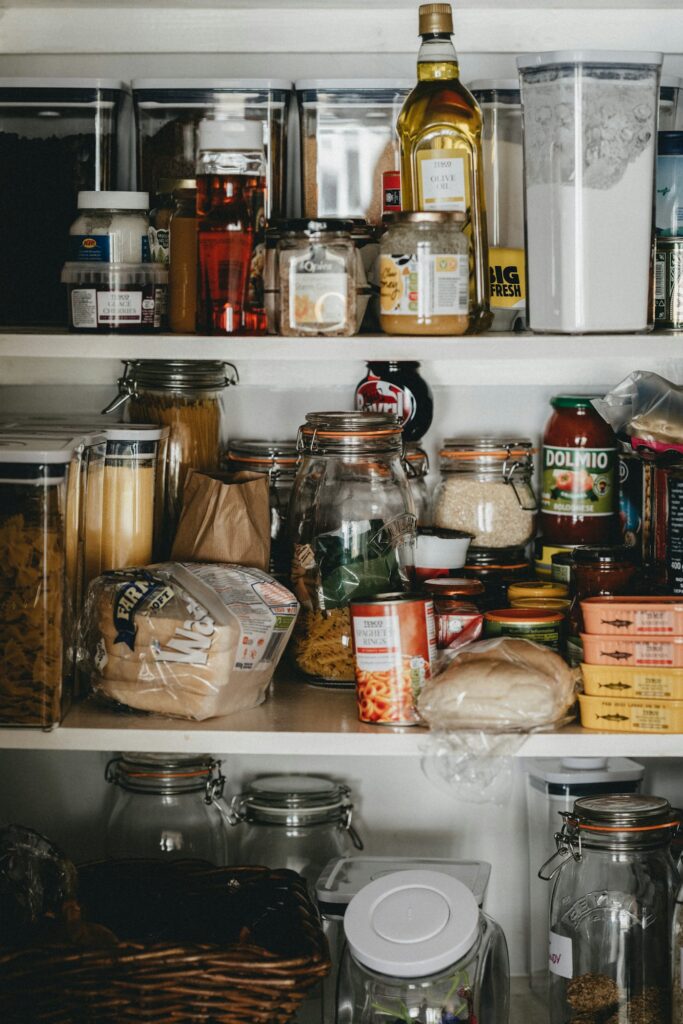 Check door thickness, the gap above the door, shelf clearance, and swing before buying an over-the-door pantry rack. A fit checklist with a worked example.
- Under-Bed Storage: Bins, Drawers, or Bed Risers?
 Measure the clearance under your bed, then choose low bins, rolling drawers, or bed risers. A practical guide with a fit calculation and stability checks.
- Closet Shelf Dividers: How to Measure, Choose, and Fit Them
 Stop folded stacks from toppling with shelf dividers. Measure shelf thickness and height, pick clip-on, freestanding, or bin-style dividers, and plan the spacing.
- How to Organize Deep Kitchen Cabinets So Nothing Gets Lost at the Back
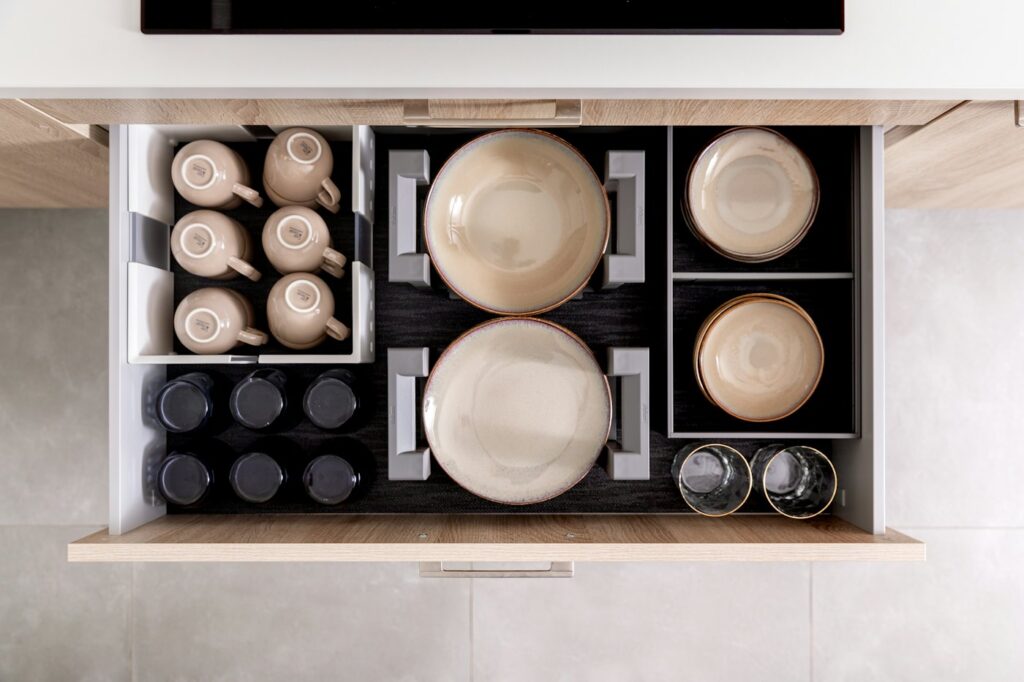 Bring the back of a deep cabinet forward with zones, handled bins, risers, or a pull-out. A practical plan with a fit calculation and a short buying order.
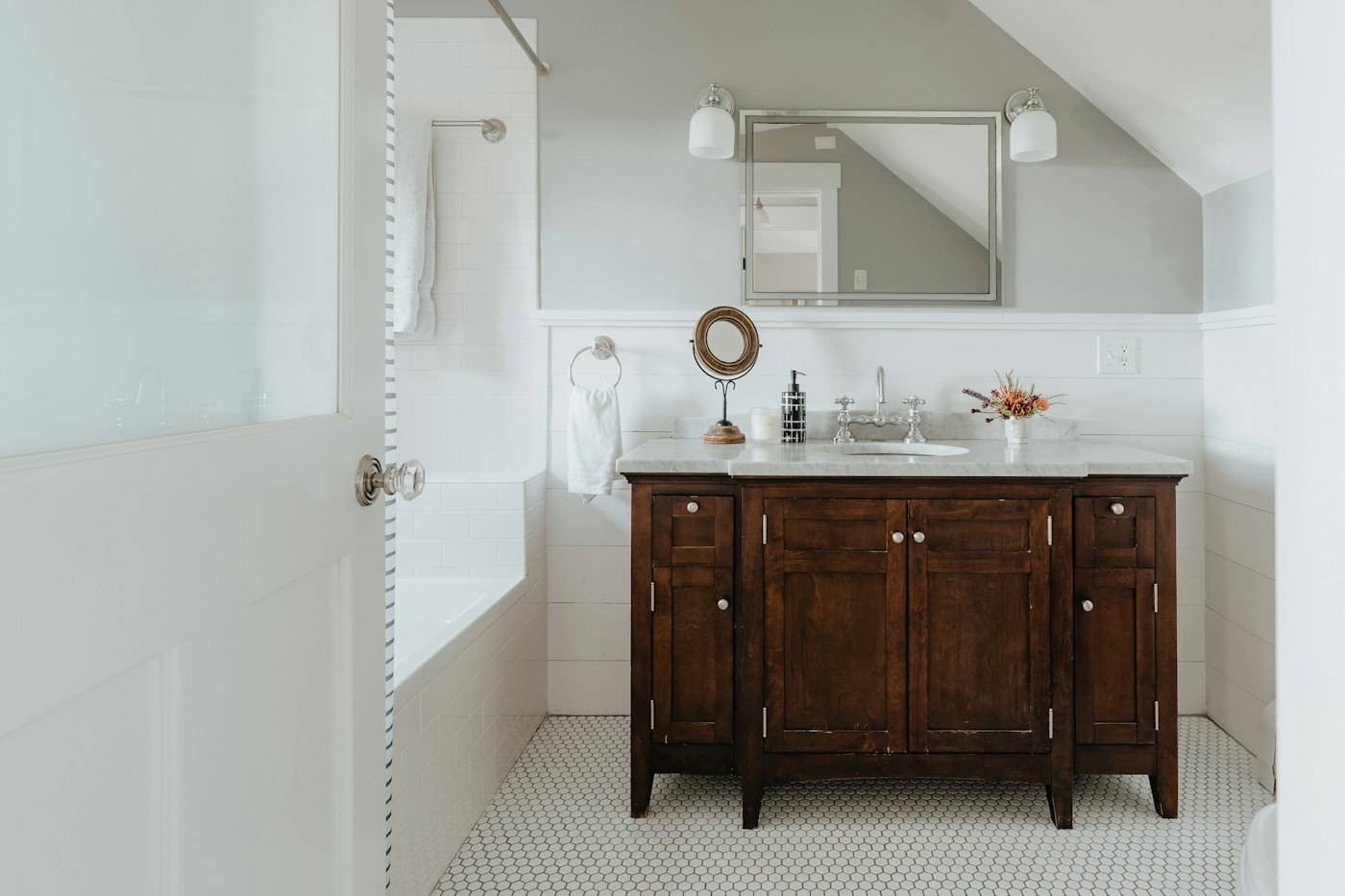
- Small Bathroom Storage Without Drilling: A Renter-Friendly Plan
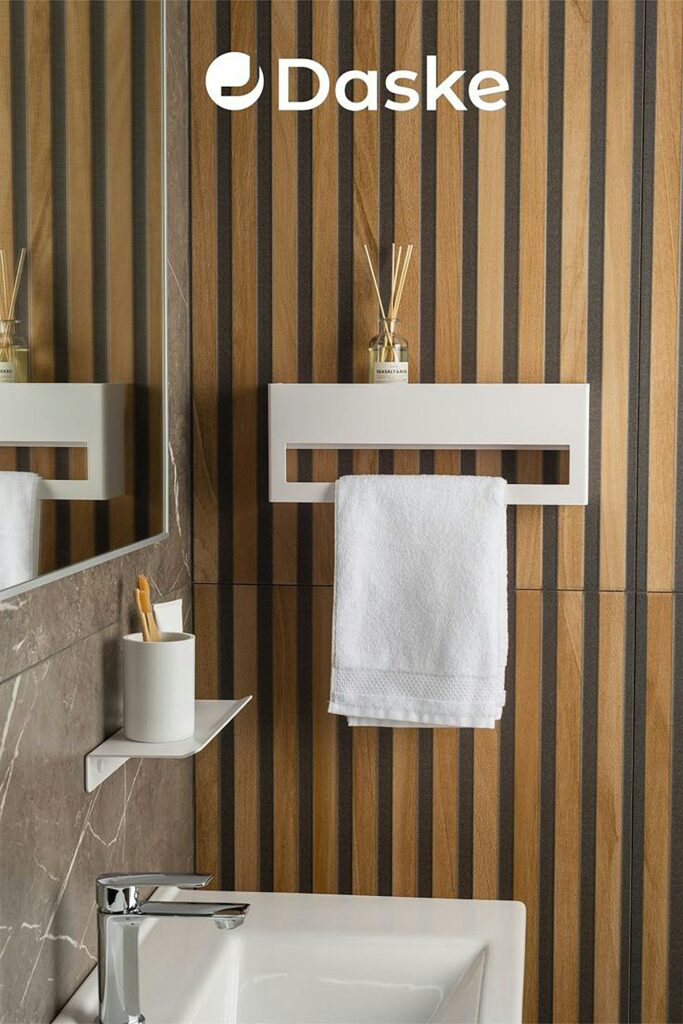 Use the space over the toilet, inside the vanity, behind the door, and on the counter without drilling into walls. A renter-friendly plan with fit and safety checks.
- How to Organize a Spice Drawer So You Can Read Every Label
 Measure the drawer and your jars, choose an order you’ll actually keep, then pick a tiered insert, a liner, or uniform jars. A practical spice drawer plan with a fit calculation.
- Garage Wall Storage: Plan the Wall Before You Buy the System
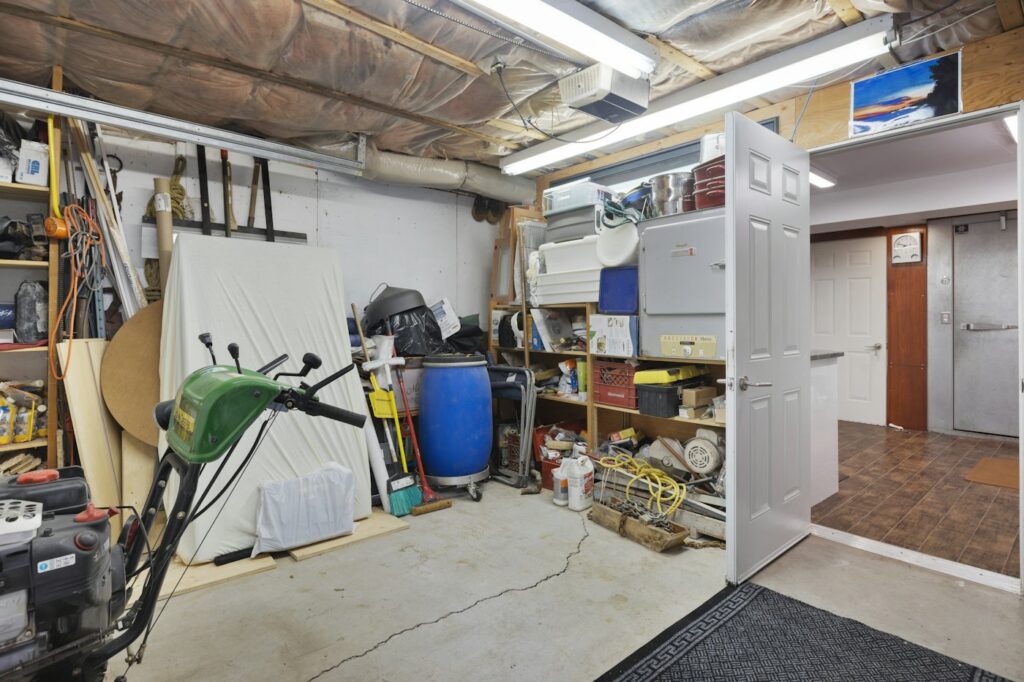 Clear the floor, map the wall into three height bands, find the studs, then choose pegboard, rails, or shelving. A practical garage wall plan with load and safety checks.