The space under a bed is often the largest unused storage area in a small bedroom. Whether you can use it comes down to one number: the clearance from the floor to the bed frame. Measure that first, and the choice between bins, drawers, and risers mostly makes itself.
Measure the lowest point under the bed frame. Use low lidded bins for seasonal items, rolling drawers for things you reach weekly, and bed risers only if you need more height and your bed sits steadily on them.

1. Measure the clearance, not the bed
- Lowest clearance: from the floor to the lowest part of the frame, slats, or center support, not just the side rail.
- Usable length and width: between legs and any center support legs.
- Access side: which side you can pull a bin out from, and how much floor space you need to slide it fully out.
- Floor type: carpet makes wheels harder to roll; hard floors may need felt or soft wheels.
2. Three options by clearance
| Option | Works when | Watch out for |
|---|---|---|
| Low lidded bins | Clearance is limited; items are seasonal | Bin height plus lid vs. lowest clearance |
| Rolling drawers | You’ll open it weekly; the floor suits wheels | Wheel height adds to total height; floor space to pull it out |
| Bed risers | You need more height and the bed legs fit the riser cup | Stability, the leg shape the riser is designed for, and bed weight |
3. What belongs under a bed
- Good: out-of-season clothes, spare bedding, gift wrap, shoes you wear occasionally.
- Fine with a lid: anything that would collect dust, which is most things.
- Avoid: heavy items you lift often, and anything you need in a hurry.
Label each bin on the end that faces out, so you can find the right one without pulling them all.
Worked example: a queen bed with 7 inches of clearance
Imagine a queen bed with 7 inches from floor to slats and a center support leg. Bins 6 inches tall with lids fit with an inch to spare. The center leg splits each side into two sections, so two shorter bins per side, rather than one long one, will slide out without catching.
If you need taller bins, risers could add height, but only if the bed’s legs match the riser cups and the bed stays steady. Many people find two extra low bins on the other side are enough.
4. Stability checks for risers
- Use risers that match your bed’s leg shape and size, and set every leg on a riser at the same height.
- Check the riser’s weight rating against the bed, mattress, and people.
- Don’t use risers on beds with wheels or casters unless the riser is designed for them.
- Test by sitting on the edge and each corner. If anything wobbles, don’t use it.
5. What to buy
- Low lidded bins sized to your clearance.
- Rolling drawers for the side you can reach easily.
- Bed risers only if you’ve confirmed fit and stability.
Compare under-bed storage
Affiliate disclosure: As an Amazon Associate I earn from qualifying purchases. These links open Amazon search results for the item types in this guide, not recommendations for a specific model. Check heights including lids and wheels.
Questions
Fabric or plastic bins?
Plastic lidded bins keep out dust and are easy to wipe. Fabric bins are lighter and quieter on hard floors but collect dust more. Choose by what you store and your floor.
What if the bed has a storage drawer already?
Use it for what you reach most and put seasonal items in bins elsewhere. Check that drawers and bins don’t block each other.
Is vacuum-sealing worth it?
It saves space for bulky bedding and coats. Some fabrics and down items can be affected by long compression, so check care labels.
Keep reading
More guides for your space
THE KINDRED JOURNAL
Latest from the journal
- Small Entryway Storage: A Landing Spot for Shoes, Bags, and Keys
 Give shoes, bags, coats, and keys one home each by the door. A small entryway plan with measurements, walkway clearance, and a short buying order.
- Kitchen Sink Cabinet Organization: Work Around the Pipes and Disposal
 Plan the cabinet under a kitchen sink around the drain, disposal, and shutoff valves. Zones, measurements, leak checks, and storage that keeps access clear.
- Over-the-Door Pantry Racks: Will One Fit Your Door?
 Check door thickness, the gap above the door, shelf clearance, and swing before buying an over-the-door pantry rack. A fit checklist with a worked example.
- Under-Bed Storage: Bins, Drawers, or Bed Risers?
 Measure the clearance under your bed, then choose low bins, rolling drawers, or bed risers. A practical guide with a fit calculation and stability checks.
- Closet Shelf Dividers: How to Measure, Choose, and Fit Them
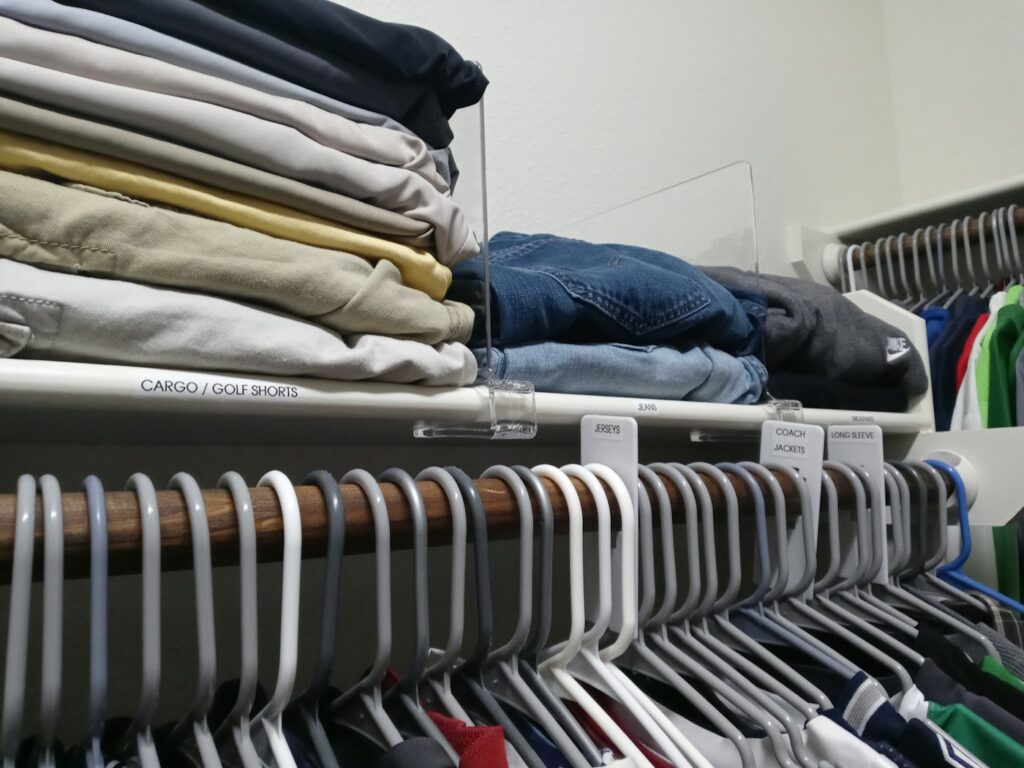 Stop folded stacks from toppling with shelf dividers. Measure shelf thickness and height, pick clip-on, freestanding, or bin-style dividers, and plan the spacing.
- How to Organize Deep Kitchen Cabinets So Nothing Gets Lost at the Back
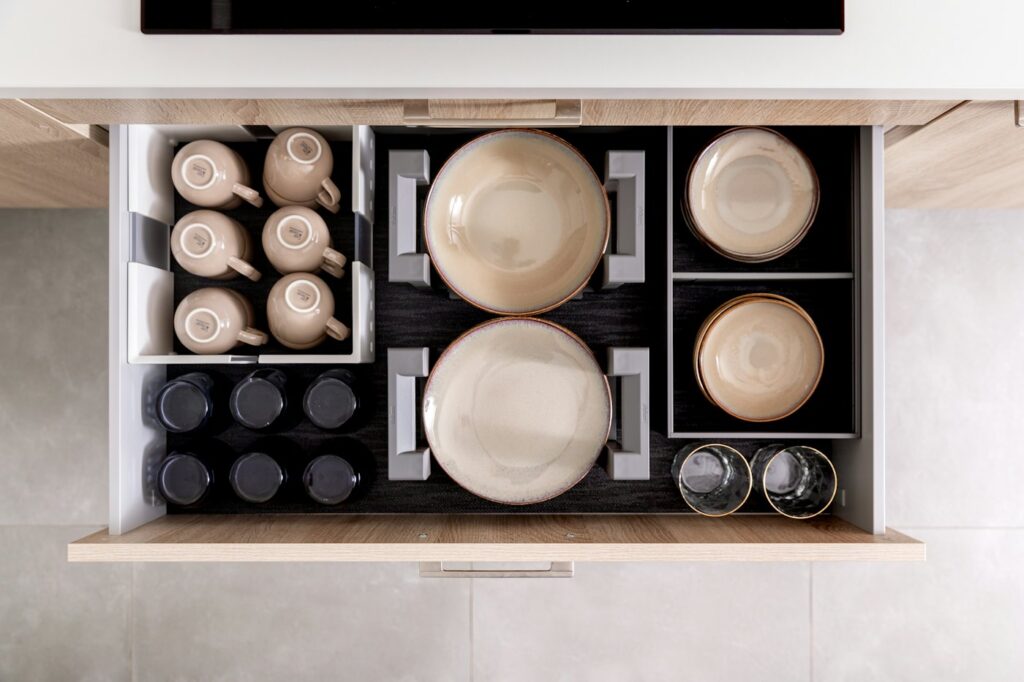 Bring the back of a deep cabinet forward with zones, handled bins, risers, or a pull-out. A practical plan with a fit calculation and a short buying order.
- Small Bathroom Storage Without Drilling: A Renter-Friendly Plan
 Use the space over the toilet, inside the vanity, behind the door, and on the counter without drilling into walls. A renter-friendly plan with fit and safety checks.
- How to Organize a Spice Drawer So You Can Read Every Label
 Measure the drawer and your jars, choose an order you’ll actually keep, then pick a tiered insert, a liner, or uniform jars. A practical spice drawer plan with a fit calculation.
- Garage Wall Storage: Plan the Wall Before You Buy the System
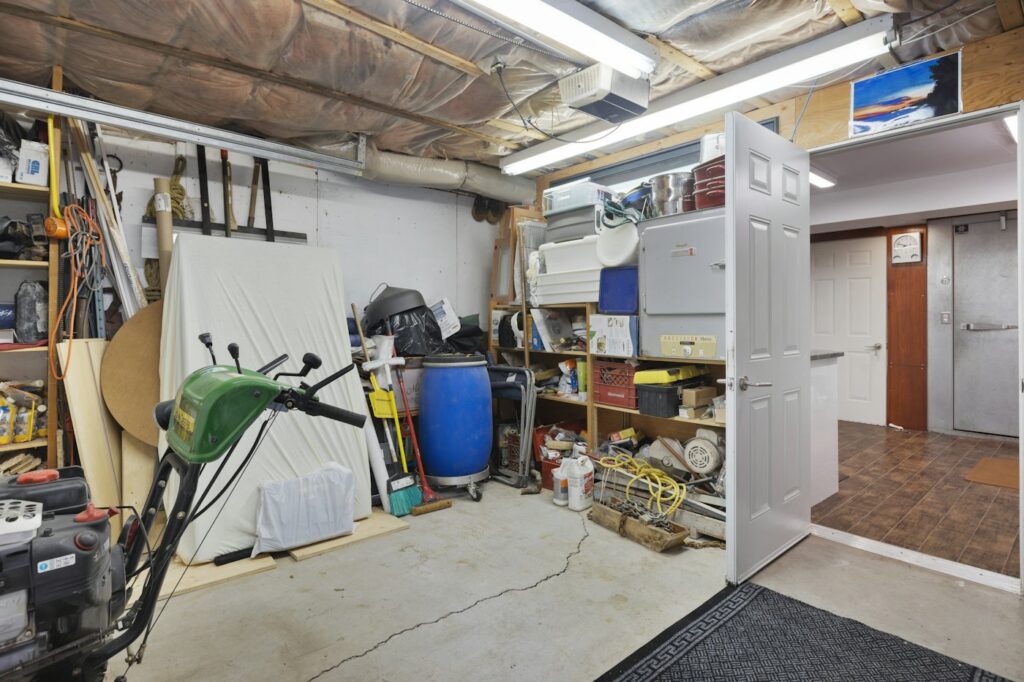 Clear the floor, map the wall into three height bands, find the studs, then choose pegboard, rails, or shelving. A practical garage wall plan with load and safety checks.