Clutter by the front door is mostly things that never got a home: shoes kicked off, a bag on the floor, keys somewhere. A small entryway doesn’t need furniture so much as four landing spots, one for each of those things, placed where your hands already go.
Give each daily item one spot: a low shoe rack or tray, hooks at two heights for bags and coats, a small dish or wall pocket for keys and mail, and a basket for hats and gloves. Keep the walkway clear and the door swing free.
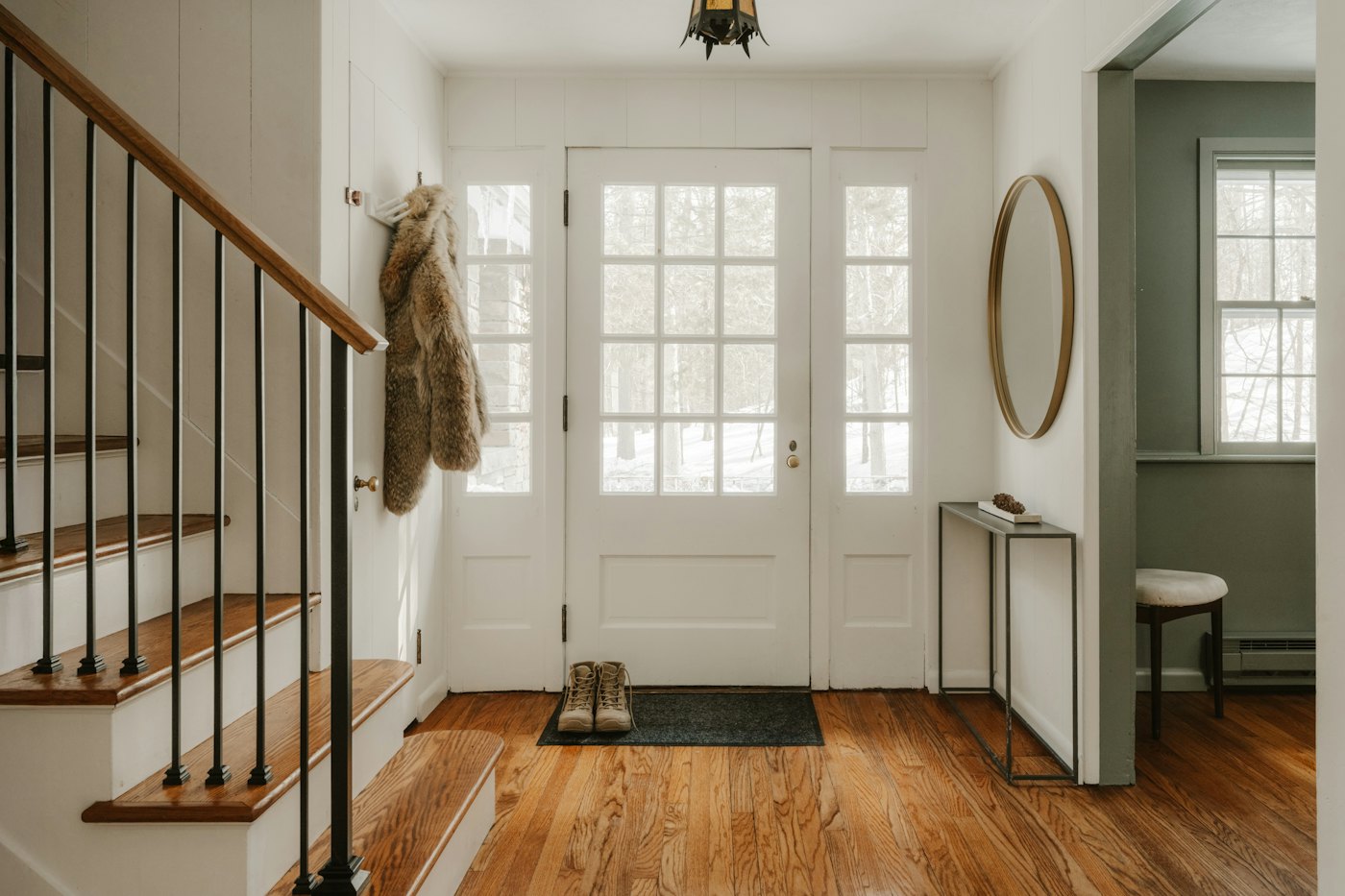
1. Watch where things land for three days
Don’t tidy yet. For three days, notice where shoes, bags, keys, and mail end up when you come home. Those spots are your plan: storage works best where things already land.
2. Measure the space you can give up
- The wall width beside the door, and how far the door swings.
- The walkway: how much floor you need to walk through comfortably, with a bag.
- Floor depth available for a shoe rack or bench without narrowing the walkway too much.
- Any light switch, outlet, thermostat, or vent on the wall.
3. Four landing spots
| Spot | For | Options |
|---|---|---|
| Floor | Daily shoes | Boot tray, slim shoe rack, or shoe cabinet |
| Wall, high | Coats, umbrellas | Hooks or a rail with hooks |
| Wall, middle | Bags, backpacks, dog leash | A second row of hooks at a lower height |
| Surface or wall pocket | Keys, mail, sunglasses | A small shelf with a dish, or a wall-mounted pocket |
Keep only daily shoes at the door: one or two pairs per person. Everything else goes to closets. Our small-closet shoe guide covers the overflow.
Hooks at two heights
Coats on higher hooks, bags lower, so they don’t stack on each other. If children use the entryway, a third row at their height means they can hang their own things.
Keys and mail
A dish on a narrow shelf, or a wall pocket, gives keys one place. Sort mail on the spot: recycle junk immediately and move the rest to wherever you deal with papers.
Worked example: a 36-inch wall by the door
Imagine 36 inches of wall beside the front door and room for a rack about 12 inches deep without blocking the walkway. A boot tray or slim two-tier rack takes the floor. Above it, a rail with four hooks at coat height and three at bag height covers two adults. A narrow shelf at hand height above the hooks holds a key dish.
Check that the door still swings fully open, that coats don’t cover the light switch, and that the rack doesn’t narrow the path so much that you step around it.
4. What to buy, and in what order
- A boot tray or slim shoe rack.
- Wall hooks or a hook rail, mounted into studs or with anchors rated for the load.
- A small shelf or wall pocket for keys and mail.
- A basket for hats, gloves, and dog gear.
Compare entryway storage
Affiliate disclosure: As an Amazon Associate I earn from qualifying purchases. These links open Amazon search results for the item types in this guide, not recommendations for a specific model. Check depth against your walkway.
Questions
What if there’s no wall space by the door?
Use the back of a nearby closet door for hooks, or an over-door rack on the front door if it clears the frame. A shoe tray can still go just inside.
Bench or no bench?
A bench helps if you sit to put shoes on and you have the depth. In a narrow entry, a slim rack plus a nearby chair often works better.
I rent. Can I add hooks?
Over-door hooks and freestanding coat stands need no holes. Adhesive hooks can work for light items; test them and follow removal instructions.
Keep reading
More guides for your space
THE KINDRED JOURNAL
Latest from the journal
- Small Entryway Storage: A Landing Spot for Shoes, Bags, and Keys
 Give shoes, bags, coats, and keys one home each by the door. A small entryway plan with measurements, walkway clearance, and a short buying order.
- Kitchen Sink Cabinet Organization: Work Around the Pipes and Disposal
 Plan the cabinet under a kitchen sink around the drain, disposal, and shutoff valves. Zones, measurements, leak checks, and storage that keeps access clear.
- Over-the-Door Pantry Racks: Will One Fit Your Door?
 Check door thickness, the gap above the door, shelf clearance, and swing before buying an over-the-door pantry rack. A fit checklist with a worked example.
- Under-Bed Storage: Bins, Drawers, or Bed Risers?
 Measure the clearance under your bed, then choose low bins, rolling drawers, or bed risers. A practical guide with a fit calculation and stability checks.
- Closet Shelf Dividers: How to Measure, Choose, and Fit Them
 Stop folded stacks from toppling with shelf dividers. Measure shelf thickness and height, pick clip-on, freestanding, or bin-style dividers, and plan the spacing.
- How to Organize Deep Kitchen Cabinets So Nothing Gets Lost at the Back
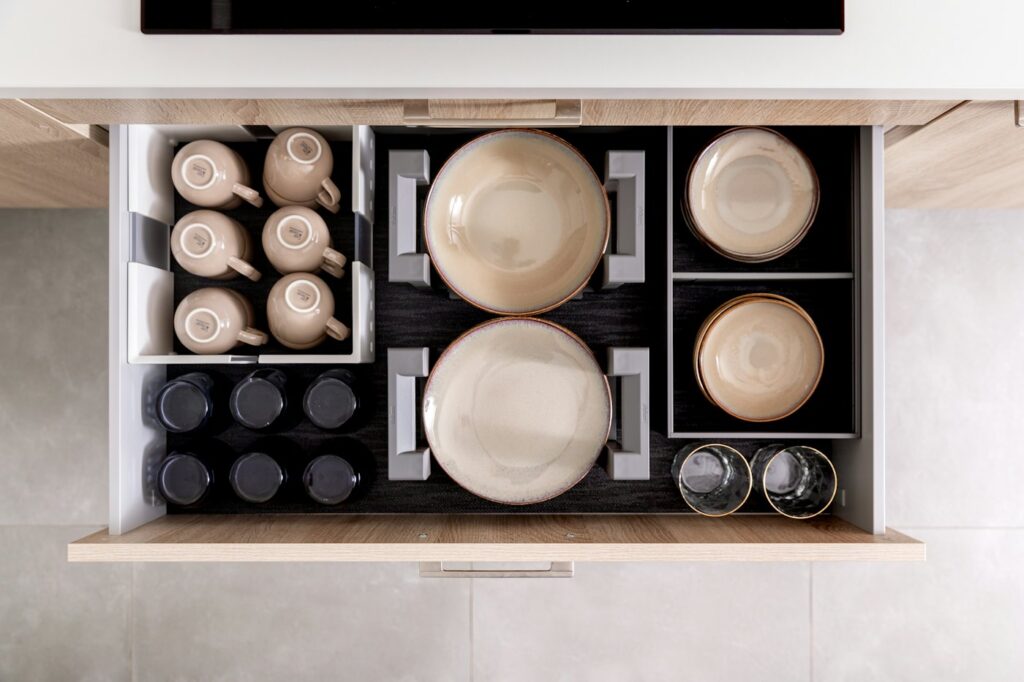 Bring the back of a deep cabinet forward with zones, handled bins, risers, or a pull-out. A practical plan with a fit calculation and a short buying order.
- Small Bathroom Storage Without Drilling: A Renter-Friendly Plan
 Use the space over the toilet, inside the vanity, behind the door, and on the counter without drilling into walls. A renter-friendly plan with fit and safety checks.
- How to Organize a Spice Drawer So You Can Read Every Label
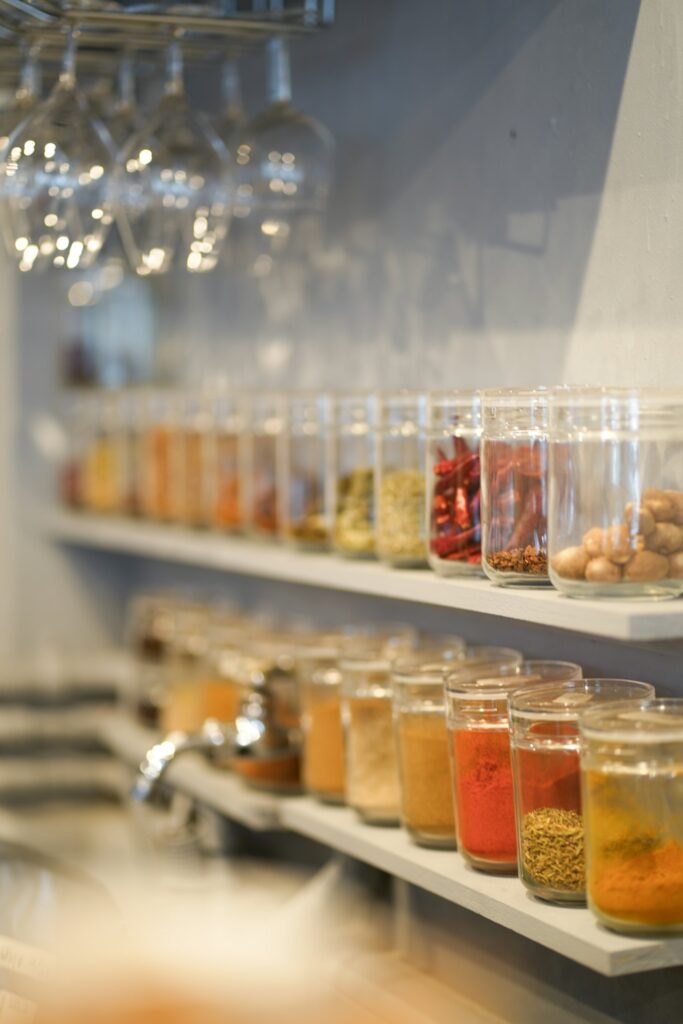 Measure the drawer and your jars, choose an order you’ll actually keep, then pick a tiered insert, a liner, or uniform jars. A practical spice drawer plan with a fit calculation.
- Garage Wall Storage: Plan the Wall Before You Buy the System
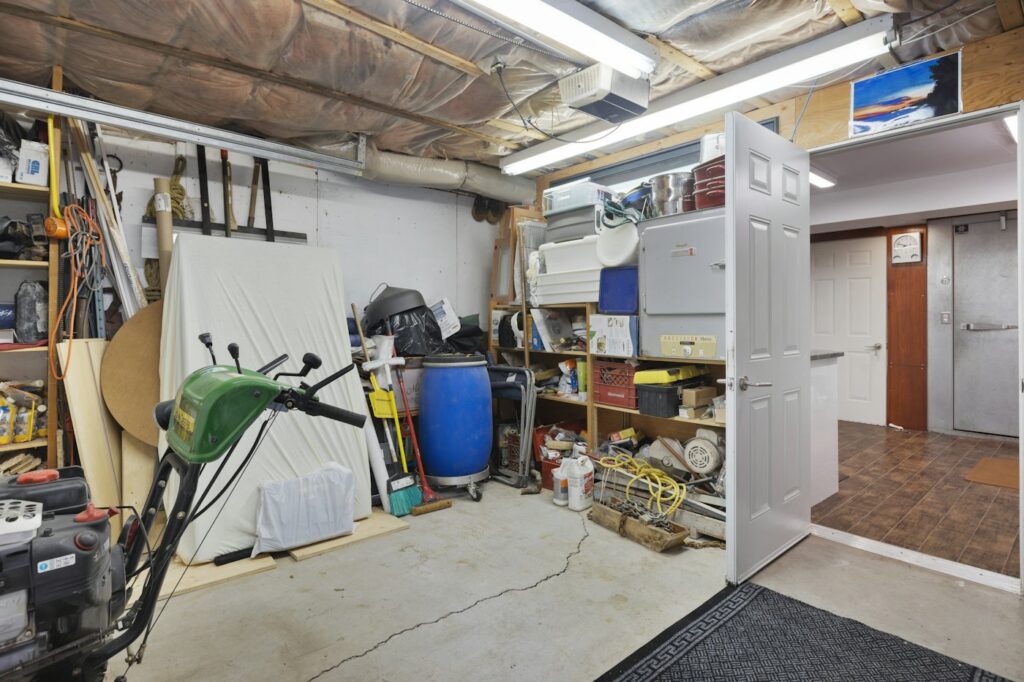 Clear the floor, map the wall into three height bands, find the studs, then choose pegboard, rails, or shelving. A practical garage wall plan with load and safety checks.