Water heaters are set at the factory and then forgotten in a closet or basement for ten years. Michigan State University Extension estimates the average family spends about 14 percent of its monthly energy bill heating water, and a lot of that goes into keeping a full tank hotter than anyone needs. Checking the setting takes ten minutes and a kitchen thermometer.
About 120°F is enough for most households and lowers both heat loss and scald risk. Measure the temperature at a tap rather than trusting the dial, adjust in small steps, and recheck. Keep it higher if your dishwasher has no booster heater or someone in the home has a medical reason to. Then insulate the pipes near the tank and fix drips.
Why the setting matters
A tank-style heater keeps 40 or 50 gallons hot around the clock, whether you use it or not. The hotter the tank, the faster it loses heat through its walls and pipes and the more energy it burns making up for it. MSU Extension notes that 20 to 30 percent of the heat added to the water is lost through the tank walls.
There’s a safety reason, too: hotter water scalds faster. Consumer safety groups commonly recommend about 120°F to help prevent scald injuries, especially in homes with young children or older adults.
When 120°F isn’t enough
- Your dishwasher has no booster heater. MSU Extension says water for dishwashing shouldn’t be lower than 140°F unless the dishwasher heats its own water. Most dishwashers made in recent years do; check the manual.
- Greasy laundry. MSU Extension suggests at least 130°F for hot washes of heavily soiled, greasy loads.
- Health concerns. Bacteria such as Legionella can grow in water kept too cool. If anyone in the home has a weakened immune system, ask a doctor or plumber; a higher tank setting with an anti-scald mixing valve at the fixtures is one option.
How to check and adjust it
- Measure at the tap. Pick the faucet closest to the water heater. Run hot water for a couple of minutes, fill a cup and hold a cooking thermometer in it.
- Find the control. On a gas heater it’s a dial on the gas valve near the bottom. On an electric heater, the thermostats are behind access panels; turn off power at the breaker first. Many electric tanks have two thermostats, upper and lower; set them the same.
- Turn it down a little. Dial markings are often vague (“hot,” “very hot”), so make a small change.
- Wait and recheck. Give the tank a few hours with little hot-water use, then measure again at the same tap. Repeat until you’re near 120°F.
Four more ways to cut hot water costs
Insulate the pipes near the tank
MSU Extension recommends insulating accessible hot water pipes, especially within three feet of the tank. Foam sleeves slide on in minutes. On a gas heater, keep foam at least six inches from the flue.
Consider a tank jacket (electric heaters)
MSU Extension says insulation on the outside can cut up to half of the heat lost through the tank walls. On electric heaters, a blanket can wrap the sides and top. Gas heaters need a jacket designed for them, installed exactly per the instructions, and many newer tanks are already well insulated; check the label first.
Test your showerhead
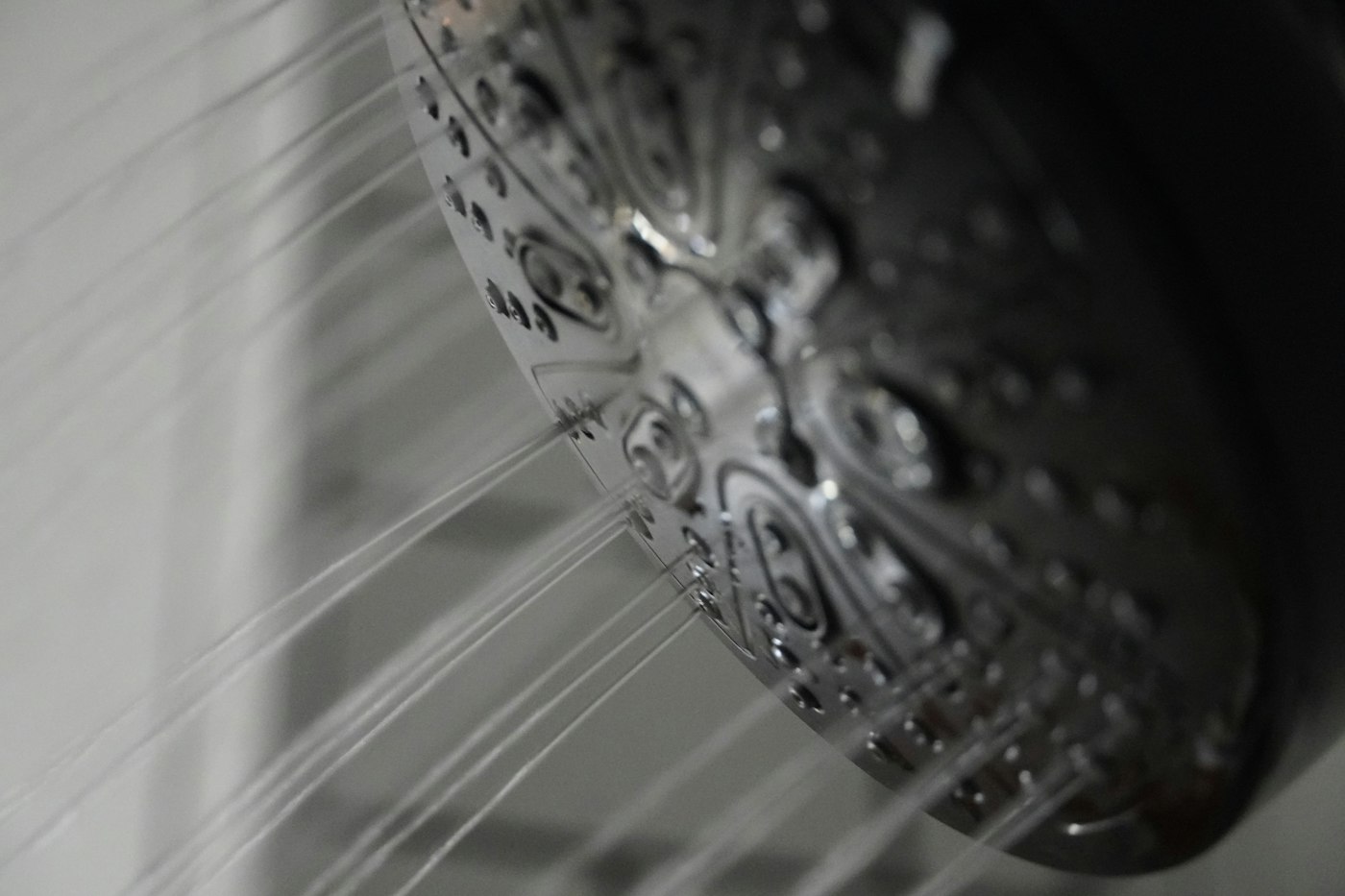
Time how long it takes to fill a one-gallon bucket at your usual shower pressure. MSU Extension says if it takes less than 20 seconds, a low-flow showerhead could help, and estimates low-flow models can cut hot water used for bathing by about 30 percent.
Fix drips and turn it down when you travel
MSU Extension estimates one drip per second can cost about a dollar a month. Before a trip of more than a day, turn the heater down (many gas models have a “vacation” setting), and reheat it when you get home; the extension notes reheating takes about two hours.
Supplies for this project
Affiliate disclosure: As an Amazon Associate I earn from qualifying purchases. These links open Amazon search results for each type of item, not recommendations for a specific model we’ve tested. Check pipe diameter and your heater’s label before ordering.
- Hot water temperature measured at the nearest tap.
- Dishwasher manual checked for a booster heater.
- Setting lowered in small steps to about 120°F.
- Final setting marked on the tank.
- First three feet of hot pipe insulated.
- Showerhead bucket test done.
- Leaky faucets on the repair list.
Questions
Will I run out of hot water at 120°F?
Possibly, if you were used to mixing very hot water with cold. Households that run out often can try a slightly higher setting, stagger showers, or use a low-flow showerhead so the tank lasts longer.
Does this apply to tankless water heaters?
Tankless heaters don’t keep a tank hot, so standby loss isn’t the issue. Setting the output temperature to what you actually use still avoids scalding and wasted energy.
How much will I save?
It depends on how hot your tank was, your fuel and how much hot water you use. The biggest savings usually come from homes that were set well above 120°F.
Sources: Michigan State University Extension, Energy Facts: Controlling Costs for Home Hot Water Production and Use (PDF). General guidance; follow your water heater manufacturer’s instructions and hire a licensed professional for gas or electrical work you’re not comfortable doing. See our editorial policy.
Keep reading
More guides for your home
THE KINDRED JOURNAL
Latest from the journal
- What Holiday Lights Really Cost to Run: LED vs. Incandescent, With the Math for Your Own Display
 Read the watts off each tag, multiply by your hours and your own rate, and the answer is clear: eight incandescent strings cost about $25.70 a season in our worked example and their LED versions about $2.18, big C9 bulbs pay back an LED swap in about three seasons, and working mini lights can wait.
- Ideal Indoor Humidity in Winter: Find Your Number, Check Your Meter, Then Add Only What the Room Needs
 Aim for 30 to 50% and never humidify past 50%, let the windows set the limit on the coldest nights, salt-test your hygrometer before you trust it, seal drafts first because a whole bedroom needs only about 4½ ounces of water, and clean the tank on a schedule: a winter humidity guide with the math worked out.
- Toy Storage Ideas: 13 Ways to Make Room Before the Holiday Toy Wave
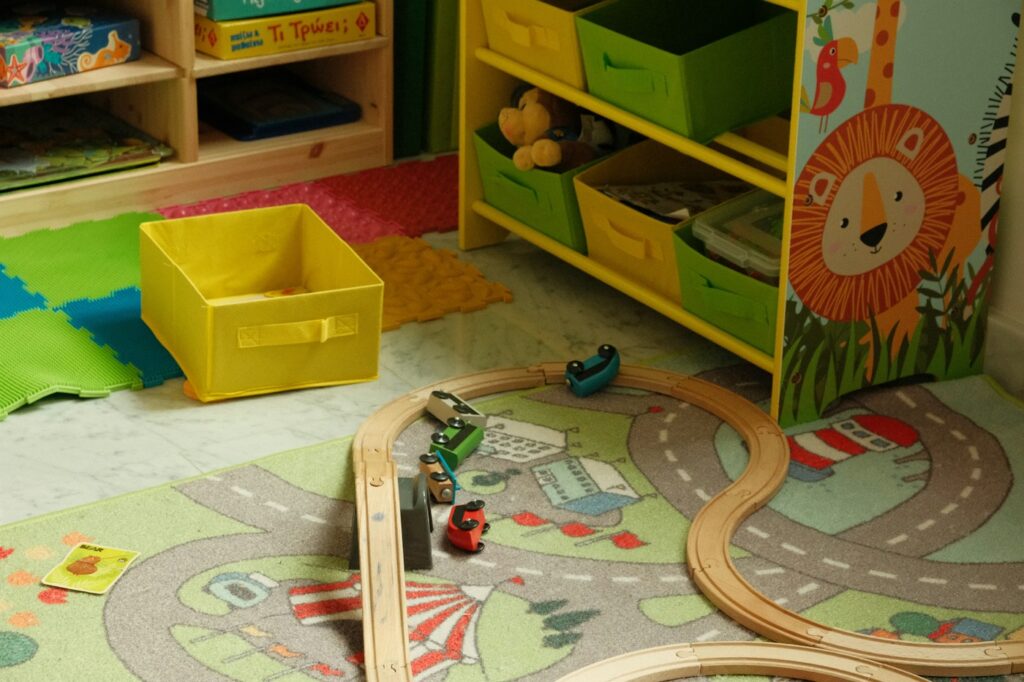 Edit the toys before the gifts arrive, give each kind of play one open bin on an anchored low shelf, keep small parts and spare batteries out of a toddler’s reach, skip latching lids and rotate the extras: thirteen toy storage ideas for the weeks before and after the holidays.
- Best Gift Wrap Organizers: 5 Picks for a Closet Corner, Under the Bed or the Back of a Door
 An upright box that holds up to 32 long rolls, a 41.5-inch under-bed bag for big collections, a water-resistant zip bag, an over-the-door organizer and a slim canvas case for eight rolls: five gift wrap organizers matched to the space you can give them.
- Cord and Cable Storage: 13 Ideas for the Spare Chargers, Cables and Adapters Nobody Can Find
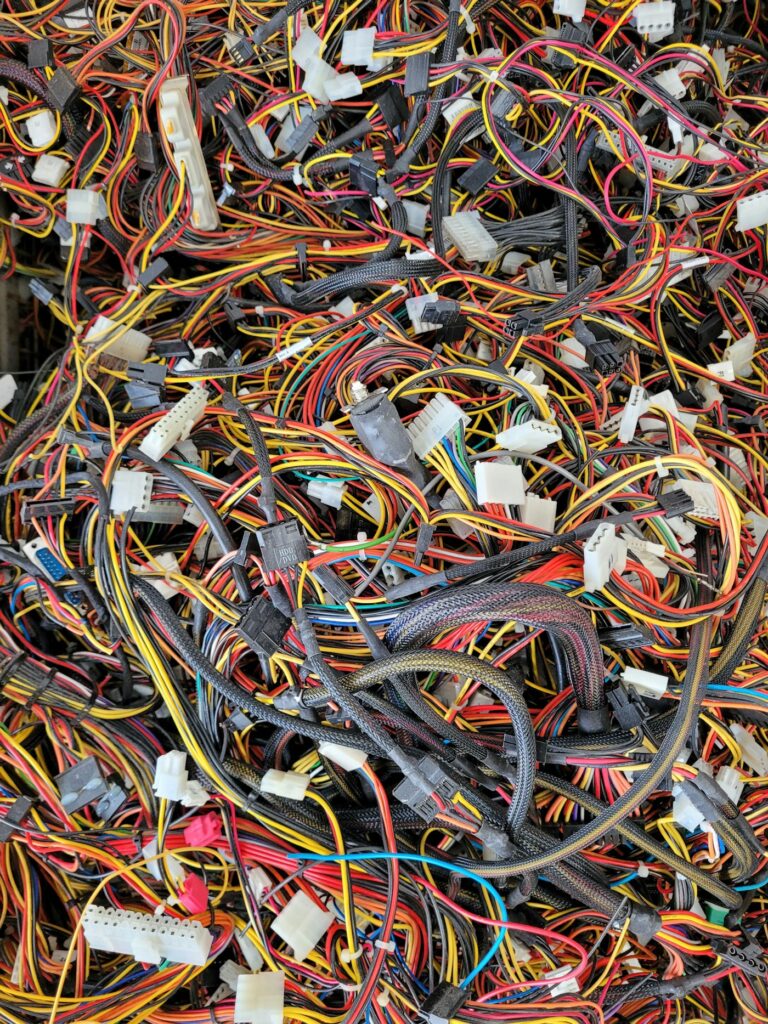 Match every cable to a device you still own, keep a sensible number of spares by connector type, coil them loosely, label the mystery bricks, hang the extension cords and send old batteries and dead cables to a proper drop-off: thirteen ways to store spare cords so the right one turns up in seconds.
- Window Condensation in Winter: Find Which Side the Water Is On, Then Match Humidity to the Forecast
 Do the wipe test to tell room-side fog from a failed seal, check a hygrometer against the outdoor low, keep humidity at or under 40% above 20°F and 30% below 10°F, run the fans, open the curtains by day and dry wet sills the same morning: a window condensation guide with a worked cold-week example.
- How to Clean a Range Hood Filter Before Holiday Cooking: Know Your Filter Type, Then Put It on the Calendar
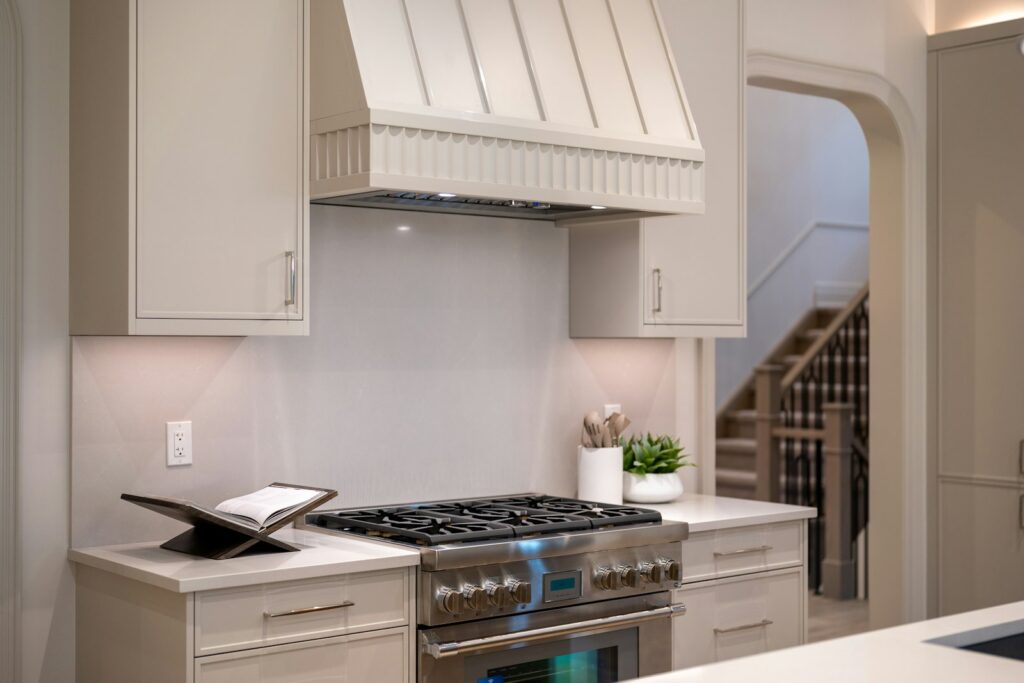 Wash metal mesh and baffle filters in hot soapy water or the dishwasher, replace charcoal filters instead of rinsing them, never run the hood with the filter out, and clean the weekend before Thanksgiving and again before Christmas: a range hood filter guide with a worked holiday cleaning calendar.
- Drying Clothes Indoors in Winter: Where the Rack Goes, How Much Rail You Need and What It Saves
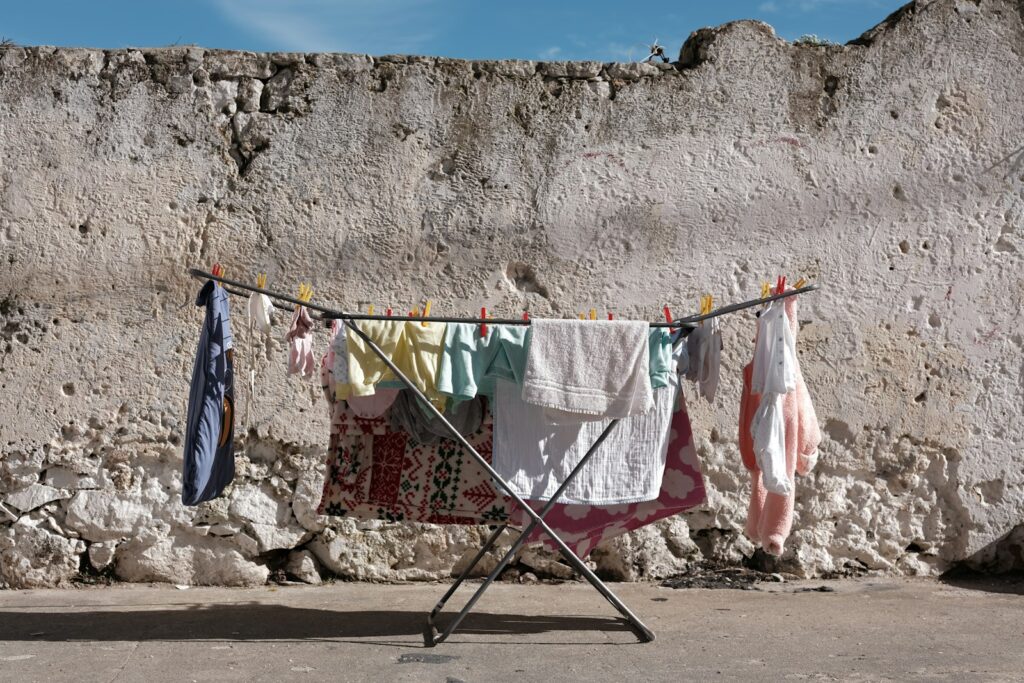 One load gives off about 2 liters of water as it air-dries, so put the rack where that moisture can leave, keep it 3 feet from the space heater, count inches of rail before you buy, space and turn the heavy things, watch humidity and window condensation, and know what the dryer you’re skipping really costs: indoor drying with the math.
- Hat, Glove and Scarf Storage by the Door: One Bin Per Person, Sized to What They Actually Wear
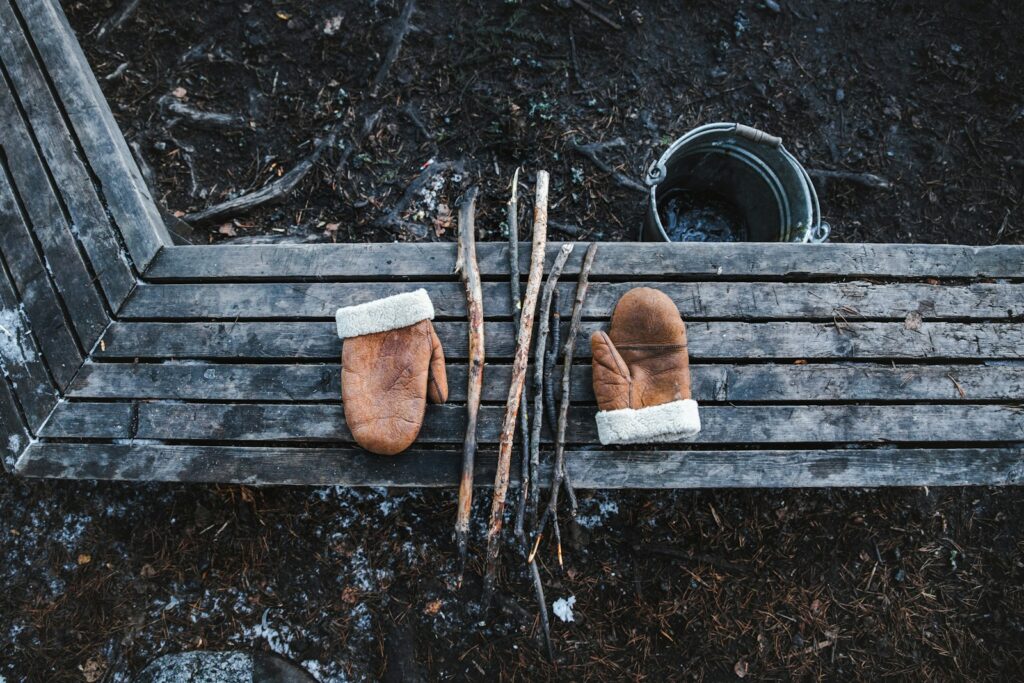 Keep a daily set plus one dry spare per person, size an open bin for each from a quick measurement, dry wet mittens before they go in, clip pairs together, hang woven scarves and fold knits, skip long scarves on the playground and wash wool before it’s sealed away: a hat and glove station with a worked bin-size example.