Most range hood filters get cleaned the day someone notices grease dripping off the edge, which tends to be the day before a big meal and exactly the wrong time to find out the filter is a disposable one you can’t wash. A clogged filter doesn’t pull smoke and steam out of the kitchen the way it should, and the grease it holds sits right above the burners during the busiest cooking weeks of the year. This guide starts with the step most people skip, working out which kind of filter you actually have, then walks through cleaning it, a calendar that gets you through Thanksgiving, Christmas and the post-holiday fry-up, and how to run the hood so a clean filter does its job.

Turn the hood off and let everything cool, then pull the filter and look at it. Thin metal mesh and heavier metal baffles are washable: hot soapy water or the dishwasher, no abrasive cleaners, and fully dry before it goes back. A charcoal (carbon) filter can’t be washed at all; it gets replaced, usually every 6 to 12 months on hoods that recirculate. Broan suggests washing mesh filters about once a month, more often if you fry, so clean yours the weekend before Thanksgiving and again before Christmas. Then use the hood every time you cook, on the back burners when you can, and leave it running for 10 to 20 minutes afterward.
First, find out which filter you have
Range hoods use three kinds of filters, and they’re cared for in completely different ways. Before you fill a sink or load the dishwasher, turn the hood off, make sure the cooktop is cold, and slide the filter out. GE’s owner’s manual for its chimney hoods says the power should be off and every surface cool before you clean or service any part of the hood, so if the hood light has been on for a while, give it a few minutes.
1. Metal mesh: layers of fine aluminum screen
This is a flat panel with several layers of fine screen, usually aluminum, held in a thin frame. Grease collects in the mesh, which is why it turns tan and then brown. Broan-NuTone’s support page says these should go through the dishwasher roughly once a month depending on how much you cook, and more often if your cooking runs to frying or wok dishes. Mesh is the type that loads up fastest, so it’s the one to put on the calendar.
Try it if your filter is light, flexes slightly in your hands, and you can see light through the layered screen when you hold it up to a window.
2. Baffle: heavier angled metal channels
Pro-style hoods often use baffle filters: rows of folded metal channels that force the air to change direction so grease drops out. Broan notes that baffles are built to keep working longer in high-grease kitchens without losing performance, and that they generally need soap and water whenever the surfaces start to look grimy. They’re washed the same way as mesh; they simply tolerate a longer gap between cleanings.
3. Charcoal (carbon): the one you never wash
If your hood doesn’t vent outdoors, it sends the air back into the kitchen through a charcoal filter that takes out some smoke and odor. GE’s manual is blunt about it: the charcoal filter can’t be cleaned, shouldn’t be rinsed or put in a dishwasher, and should be replaced when it looks noticeably dirty or discolored, usually after 6 to 12 months depending on use. Broan says the same about non-ducted carbon filters. Recirculating hoods usually have a washable metal grease filter too, so you may be cleaning one filter and replacing the other on the same afternoon.
Skip it if you were about to soak a charcoal pad in hot water to “refresh” it. That doesn’t restore it, and a soggy charcoal filter goes in the trash anyway. Write down the replacement part number from your manual or the old filter’s label before you shop.
How to clean a washable filter
Mesh and baffle filters are cleaned the same way. The two manufacturers we checked give you a choice between the dishwasher and a hand wash, and neither calls for harsh chemicals.
Step 1: Pull it out and look at it first
Most filters come out with a latch, a tab or a finger hold that you slide or press and then pull down. Hold the filter up to the light. If you can see light through most of it, a quick wash will do. If it’s solid brown and tacky, plan on a soak and a second pass. Check the frame and the mesh for tears or a bent edge while it’s in your hands: a filter that no longer seats snugly is worth replacing.
Step 2: Choose the dishwasher or the sink
The dishwasher is the easy route for most metal filters. GE says its metal grease filters are dishwasher-safe, and Broan recommends a non-phosphate detergent for all-metal filters. Both mention that the metal may discolor in the machine; Broan explains that phosphate detergents or local water conditions can cause it, that it doesn’t affect how the filter works, and that the warranty doesn’t cover it. If the look of the filter matters to you, Broan’s suggestion is to wash it on its own in the sink with a mild detergent instead.
Try the dishwasher if the filter lies flat on the bottom rack without blocking the spray arm. Skip it if the filter is thickly coated; hand-wash the worst of the grease off first so you’re not sending it through the machine.
Step 3: For a hand wash, soak in hot soapy water
GE’s instructions are simple: swish the filter in hot, soapy water and rinse it in clean water. A grease-cutting dish soap does most of the work if you give it time, so let a heavily coated filter sit in the hot water for a while before you touch it. A laundry tub or a large roasting pan works if the filter is too long for your sink.
Step 4: Brush gently, never scour
Use a soft nylon brush and work along the mesh or the baffle channels. GE specifically says not to use abrasive cleansers. Steel wool and scouring powder can tear fine aluminum screen and scratch metal baffles, and a damaged filter catches less grease. If the grease won’t move, drain the water, refill with fresh hot soapy water and soak again rather than scrubbing harder.
Step 5: Dry it completely
Rinse, shake off the water, and let the filter dry on a towel or a rack. Put it back only once it’s dry, and make sure it clicks into its latch. While it’s out, wipe the underside of the hood around the opening with warm soapy water, since grease collects there too.
Step 6: Put it back before you cook again
Don’t run the hood with the filter out, even for one pan of bacon while it dries. GE’s manual explains that the metal filter does more than trap grease: it also helps keep flames from food or grease from damaging the inside of the hood, which is why GE says it must always be in place whenever the hood is in use. If you’re mid-holiday and the filter is still wet, cook in the oven instead of on the stovetop until it’s back in.
Our cleaning supply storage ideas include a home for the brush and degreasing soap, so the next cleaning doesn’t start with a search under the sink.
Worked example: a filter calendar for the holidays
Manufacturers don’t agree on one interval. Broan points to about once a month for mesh filters; GE’s chimney hood manual says every 6 months or as needed. Check your own manual, and if you cook most nights or fry often, lean toward the shorter end. Thanksgiving falls on Thursday, November 26 this year and Christmas Eve on Thursday, December 24. Here’s how a monthly schedule lines up for a ducted hood with two mesh filters that were last cleaned on Saturday, October 10.
| Date | What happens | Days since last cleaning | Note |
|---|---|---|---|
| Sat, Oct 10 | Last cleaning | 0 | Starting point |
| Sun, Nov 22 | Pre-Thanksgiving clean | 43 (21 left in October + 22 in November) | 13 days past a 30-day interval, so it’s overdue |
| Thu, Nov 26 | Thanksgiving | 4 | Filters are nearly fresh for the biggest cooking day |
| Sun, Dec 20 | Pre-Christmas clean | 28 (8 left in November + 20 in December) | Lands 4 days before Christmas Eve |
| Sun, Jan 17 | Post-holiday clean | 28 (11 left in December + 17 in January) | Catches the latkes, the fried leftovers and the New Year’s party |
After the catch-up on November 22, the next two cleanings fall exactly 28 days apart, always on a Sunday when nobody needs the stove for a couple of hours, and both come in under the 30-day mark. If your hood recirculates, add one more check: if the charcoal filter went in on May 1, GE’s 6-to-12-month window puts the replacement somewhere between November 1 and the following May 1, so now is a good time to look at it and order one if it’s discolored. Put the dates in your phone today.
Planning the rest of the week before Thanksgiving? Our fridge countdown for Thanksgiving runs on the same calendar.
Make the clean filter count
A clean filter only helps if air is moving through it. The EPA’s guidance on cooking and indoor air quality lists four habits for homes with a hood that vents outdoors, and none of them costs anything.
Turn it on every time you cook
The EPA’s first recommendation is to switch the hood on whenever you’re cooking, not just when something starts to smoke.
Leave it running 10 to 20 minutes after
The EPA suggests keeping the hood on for 10 to 20 minutes after you finish cooking. Setting a kitchen timer when you turn the burners off is the easiest way to remember.
Use the back burners first
The EPA also recommends cooking on the back burners when possible, because the hood captures more of what rises from them. On a holiday, that’s a good home for the gravy, the stockpot and anything that spatters, while the front burners take the quick jobs. Keeping towels, paper and packaging well away from those burners matters just as much; our kitchen counter guide covers what to move before the cooking starts.
No vented hood? Bring in outside air
If your hood recirculates or you don’t have one, the EPA suggests opening windows and doors when the weather and outdoor air allow it and it’s safe to do so, running other exhaust fans that vent outside, and using a properly sized portable air cleaner that doesn’t produce ozone.
Grease, fire and the busiest cooking day of the year
According to National Fire Protection Association figures cited by the Illinois State Fire Marshal, an estimated 1,446 home cooking fires were reported to U.S. fire departments on Thanksgiving Day 2023, a 388 percent jump over the daily average. Ranges and cooktops account for almost three out of every five home fires involving cooking. A clean filter is one small piece of that picture; the bigger pieces are staying with what’s on the stove and keeping the area around it clear of towels, papers and potholders, as the fire marshal’s office advises.
Know what to do before you need it. For small flames in a pan, the fire marshal’s guidance is to slide a lid over the pan, turn off the burner, and leave the lid on while the pan cools. For a fire in the oven, keep the door shut and turn off the heat. If you have any doubt about handling it, get out and call 911 from outside. Keep a lid that fits your largest skillet within reach for the whole holiday week, and make sure the smoke alarm nearest the kitchen works; our one-hour smoke and CO alarm audit covers how far from the stove it should sit.
The hood filter also belongs on the bigger cold-weather list. Our winter home maintenance checklist has the furnace, chimney and vent jobs worth doing the same weekend.
Affiliate disclosure: As an Amazon Associate I earn from qualifying purchases. The links below are Amazon searches, not specific products we’ve tested or recommend over others.
- Soft nylon scrub brush (Amazon search) ↗
- Replacement mesh grease filter (Amazon search) ↗
- Range hood baffle filter (Amazon search) ↗
- Replacement charcoal filter (Amazon search) ↗
Match any replacement filter to the part number in your hood’s manual or on the old filter, and measure length, width and thickness before you order.
- Hood off and cooktop cool before the filter comes out.
- Filter type identified: mesh, baffle or charcoal.
- Charcoal filter checked for discoloration; replacement part number written down.
- Metal filter washed in the dishwasher (non-phosphate detergent) or in hot soapy water.
- No steel wool or abrasive cleansers; soft brush only.
- Filter fully dry and latched back in before the stove is used.
- Underside of the hood wiped around the opening.
- Cleaning dates set: the weekend before Thanksgiving, before Christmas Eve, mid-January.
- Hood on every time you cook, back burners first, 10 to 20 minutes of run time after.
- A lid that fits your biggest pan within reach of the stove.
Can I run the hood with the filter out while it dries?
No. GE’s manual says the metal filter must always be in place when the hood is in use, because it helps keep flames from damaging the inside of the hood as well as trapping grease. Wait until it’s dry, or use the oven instead of the stovetop in the meantime.
How do I know if my hood recirculates?
If there’s a charcoal or carbon filter in it, the hood sends air back into the kitchen; GE’s manuals describe the charcoal filter as the one used on models that aren’t vented to the outside. Your owner’s manual or installer can confirm it, and the manual also lists the right replacement filter.
Sources: Broan-NuTone, How often should I clean my filters? · GE Appliances, PV976 chimney vent hood owner’s manual: Care and cleaning · U.S. EPA, Strategies for Improving Indoor Air Quality While Cooking · Illinois Office of the State Fire Marshal, Thanksgiving Safety Starts in the Kitchen (NFPA data). General guidance; follow the care instructions in your own hood’s manual.

Keep reading
More guides for your space
THE KINDRED JOURNAL
Latest from the journal
- Window Condensation in Winter: Find Which Side the Water Is On, Then Match Humidity to the Forecast
 Do the wipe test to tell room-side fog from a failed seal, check a hygrometer against the outdoor low, keep humidity at or under 40% above 20°F and 30% below 10°F, run the fans, open the curtains by day and dry wet sills the same morning: a window condensation guide with a worked cold-week example.
- How to Clean a Range Hood Filter Before Holiday Cooking: Know Your Filter Type, Then Put It on the Calendar
 Wash metal mesh and baffle filters in hot soapy water or the dishwasher, replace charcoal filters instead of rinsing them, never run the hood with the filter out, and clean the weekend before Thanksgiving and again before Christmas: a range hood filter guide with a worked holiday cleaning calendar.
- Drying Clothes Indoors in Winter: Where the Rack Goes, How Much Rail You Need and What It Saves
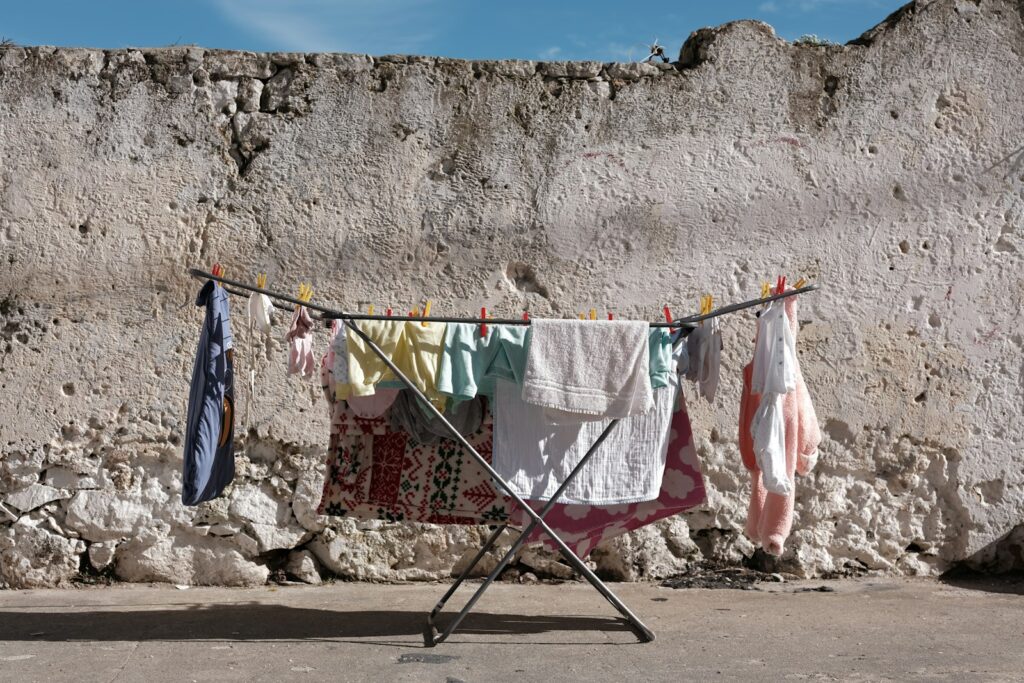 One load gives off about 2 liters of water as it air-dries, so put the rack where that moisture can leave, keep it 3 feet from the space heater, count inches of rail before you buy, space and turn the heavy things, watch humidity and window condensation, and know what the dryer you’re skipping really costs: indoor drying with the math.
- Hat, Glove and Scarf Storage by the Door: One Bin Per Person, Sized to What They Actually Wear
 Keep a daily set plus one dry spare per person, size an open bin for each from a quick measurement, dry wet mittens before they go in, clip pairs together, hang woven scarves and fold knits, skip long scarves on the playground and wash wool before it’s sealed away: a hat and glove station with a worked bin-size example.
- Guest Room That Doubles as Storage: Pick the Bed by Floor Space, Keep the Window Clear
 Count the nights the room really hosts, compare bed footprints before comfort, put storage on one wall behind a curtain, keep the window and door clear, leave guests half the closet and one drawer, and pack a single guest bin: a storage room that turns into a guest room in fifteen minutes, with a worked 10 by 11 foot example.
- Dining Room Storage for Holiday Hosting: Measure the Walkway First, Then Fit the Sideboard
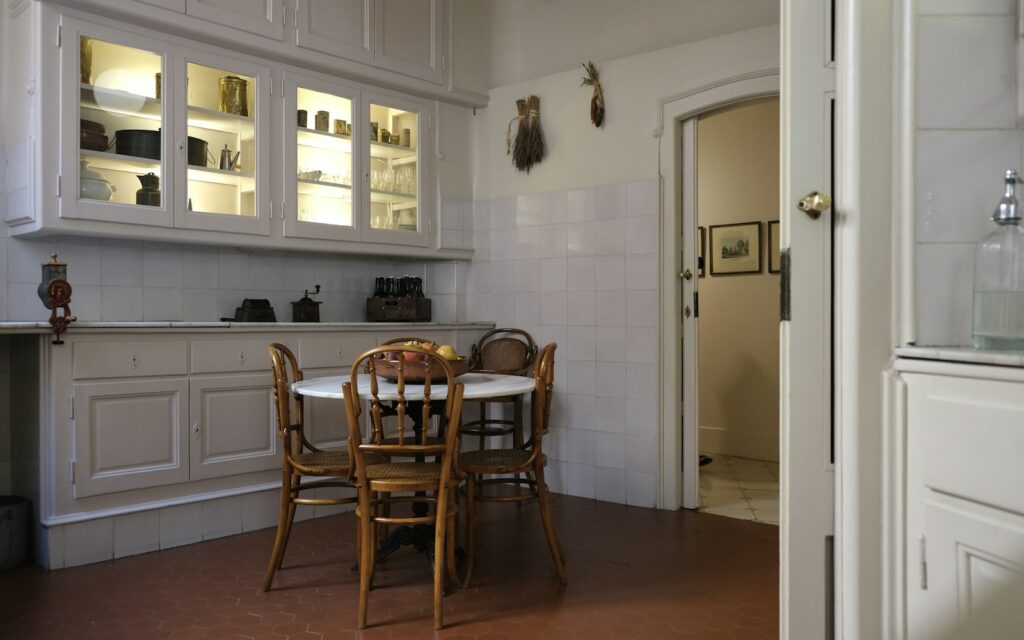 Measure the table with the leaf in, leave 44 inches where people walk and 32 where nobody passes, subtract the sideboard’s depth before you buy, anchor the hutch and give the leaf, extra chairs and holiday linens a home: dining room storage planned for the biggest night of the year, with a worked placement example.
- Winter Car Emergency Kit: 12 Things to Pack and Where Each One Should Ride
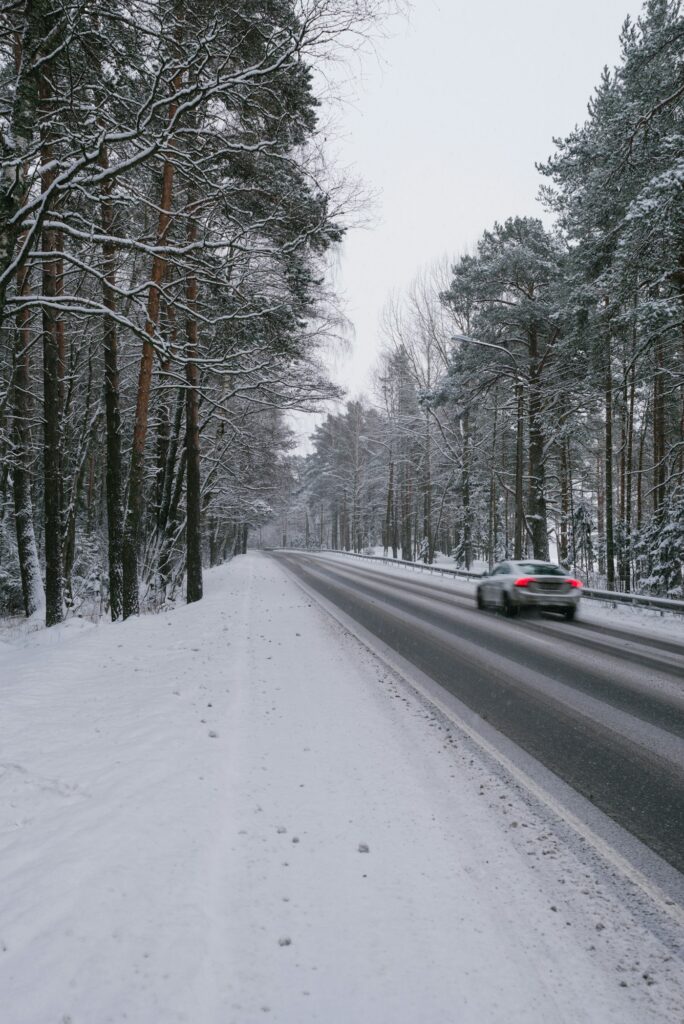 Start from the National Weather Service list, put the heavy gear in one strapped-down trunk bin, keep the blanket, light and charger in the cabin and the scraper in the door, and know the stranded-car basics: twelve ideas for a winter car kit that stays packed until February.
- Smoke and CO Alarms: A One-Hour Audit of Where They Go, How Old They Are and What to Replace
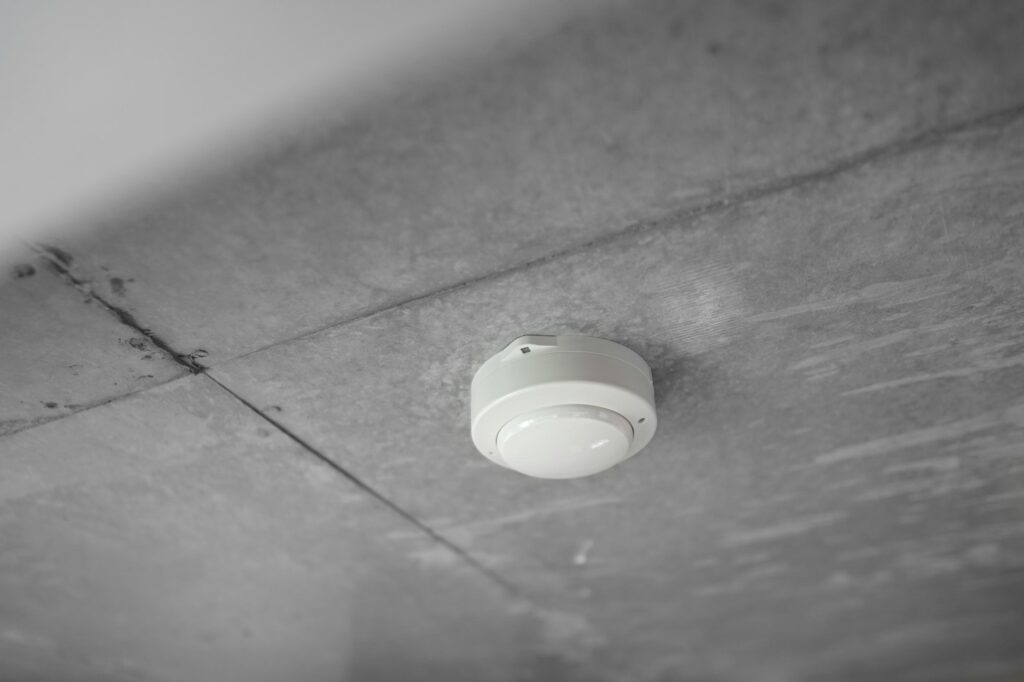 Put a smoke alarm in every bedroom, outside each sleeping area and on every level, add CO alarms outside sleeping areas, keep them 10 feet from the stove, read the date on the back and replace anything 10 years old: a one-hour alarm audit, with a worked two-story example.
- Winter Home Maintenance Checklist: Do the Safety Jobs First, Then the Water, Then the Savings
 Book the furnace and chimney check, clear 3 feet around every heat source, mark the outdoor vents before snow buries them, work out how many gallons each downspout carries and extend the heavy ones: a winter maintenance checklist sorted by what happens if you skip it.