Solar gets most of the attention, but plenty of homeowners can’t install it: the roof faces the wrong way, the house is shaded, they rent, or they don’t want a big upfront cost. The good news is that some of the cheapest kilowatt-hours are the ones you never use. These twelve steps run from free to a few hundred dollars, roughly in that order.

Affiliate disclosure: As an Amazon Associate I earn from qualifying purchases. Shopping links in this post open Amazon search results for a type of item, not a specific product we’ve tested.
Free: start with your utility
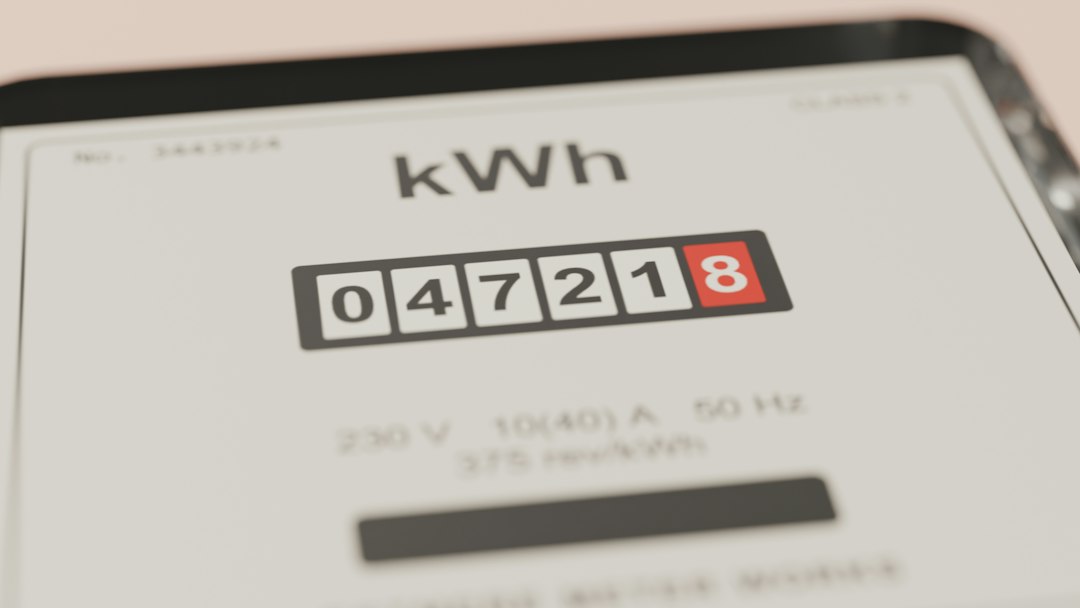
1. Read your bill line by line
Your bill tells you which rate plan you’re on, how much you use each month, and how that compares with last year. Look for fixed charges, riders, and anything you don’t recognize. If your usage jumped and your habits didn’t change, something in the house changed. Our list of things quietly raising your electric bill is a good place to look first.
2. Ask about time-of-use and other rate plans
Many utilities offer plans where electricity costs less at certain hours. If you can shift laundry, dishwashing, and EV charging to off-peak times, you may save. If most of your use falls in the expensive window, a time-of-use plan can cost you more, so compare before you switch.
3. Get a free or low-cost home energy audit
Many utilities offer energy audits at low or no cost, and some include free LED bulbs, low-flow showerheads, or weatherstripping. An auditor can find air leaks and insulation gaps you’d never spot yourself.
4. Check for rebates before you buy anything
Utilities and states often offer rebates on smart thermostats, heat pump water heaters, insulation, and efficient appliances. Look on your utility’s website and on ENERGY STAR’s rebate finder before spending money on any upgrade below.
Under $50: habits and quick fixes
5. Turn the water heater down to 120°F
The Department of Energy recommends 120°F for most homes. It’s a two-minute job with a screwdriver on most electric tank heaters, though you should switch off power at the breaker before opening any access panel.
6. Wash in cold and skip heated dry
Heating water is most of what a washing machine costs to run. Cold water is fine for most loads. In the dishwasher, choose air-dry instead of heated dry.
7. Kill standby power
Put the TV, console, and streaming boxes on a power strip you switch off at night, or on a smart plug with a schedule. It takes a few minutes and keeps saving every day. Smart power strips on Amazon ↗
8. Finish the switch to LED
LEDs use at least 75% less energy than incandescent bulbs, according to the Department of Energy. If a few old bulbs are hiding in lamps, closets, or outdoor fixtures, replace them now.
9. Seal the obvious drafts
Weatherstripping on exterior doors and caulk around window trim are among the best-value home improvements there are. Our guide to where your home loses heat walks through each spot. Door weatherstripping kits on Amazon ↗
Bigger steps worth pricing out
10. Install a smart or programmable thermostat
Turning your thermostat back while you sleep or are away saves on heating and cooling, which is usually the biggest slice of a home’s energy use. A smart thermostat does it without you thinking about it. Many utilities offer rebates on qualifying models. Before you buy, read our list of thermostat mistakes that cost money.
11. Add attic insulation if yours is thin
Look in your attic. If you can see the tops of the floor joists, there probably isn’t enough insulation. Adding more is one of the more reliable upgrades for comfort and bills, especially in older homes. Get quotes, and ask about rebates first.
12. Replace the worst appliance when it’s due
Don’t replace a working appliance just to save energy; the payback is usually long. When something does fail, choose an ENERGY STAR model. If your water heater is near the end of its life, ask about heat pump water heaters, which can use much less electricity than standard electric tanks.
Common questions
How much can I realistically save?
It depends on your home, climate, and rates, so be wary of anyone promising a fixed percentage. The biggest wins usually come from heating, cooling, and water heating, because they’re the largest uses in most homes. Track your bill for a few months after each change to see what worked for you.
Is a time-of-use rate plan a good idea?
It can be if you can move laundry, dishwashing, and EV charging out of the peak hours. If you’re home and using power mostly during peak hours, it may cost more. Ask your utility for a comparison based on your past usage before switching.
Should I switch electricity providers?
That’s only an option in states with retail electricity choice. If you can switch, read the contract for variable rates, introductory prices that jump later, and early cancellation fees. A lower advertised rate isn’t always a lower bill.
Do energy-saving gadgets sold online really work?
Be skeptical of plug-in devices that claim to cut your bill dramatically just by being plugged into an outlet. Proven savings come from using less energy, through settings, sealing, insulation, and efficient appliances.
Related: How to read your electric bill

Keep reading
More ways to save at home
THE KINDRED JOURNAL
Latest from the journal
- Toy Storage Ideas: 13 Ways to Make Room Before the Holiday Toy Wave
 Edit the toys before the gifts arrive, give each kind of play one open bin on an anchored low shelf, keep small parts and spare batteries out of a toddler’s reach, skip latching lids and rotate the extras: thirteen toy storage ideas for the weeks before and after the holidays.
- Best Gift Wrap Organizers: 5 Picks for a Closet Corner, Under the Bed or the Back of a Door
 An upright box that holds up to 32 long rolls, a 41.5-inch under-bed bag for big collections, a water-resistant zip bag, an over-the-door organizer and a slim canvas case for eight rolls: five gift wrap organizers matched to the space you can give them.
- Cord and Cable Storage: 13 Ideas for the Spare Chargers, Cables and Adapters Nobody Can Find
 Match every cable to a device you still own, keep a sensible number of spares by connector type, coil them loosely, label the mystery bricks, hang the extension cords and send old batteries and dead cables to a proper drop-off: thirteen ways to store spare cords so the right one turns up in seconds.
- Window Condensation in Winter: Find Which Side the Water Is On, Then Match Humidity to the Forecast
 Do the wipe test to tell room-side fog from a failed seal, check a hygrometer against the outdoor low, keep humidity at or under 40% above 20°F and 30% below 10°F, run the fans, open the curtains by day and dry wet sills the same morning: a window condensation guide with a worked cold-week example.
- How to Clean a Range Hood Filter Before Holiday Cooking: Know Your Filter Type, Then Put It on the Calendar
 Wash metal mesh and baffle filters in hot soapy water or the dishwasher, replace charcoal filters instead of rinsing them, never run the hood with the filter out, and clean the weekend before Thanksgiving and again before Christmas: a range hood filter guide with a worked holiday cleaning calendar.
- Drying Clothes Indoors in Winter: Where the Rack Goes, How Much Rail You Need and What It Saves
 One load gives off about 2 liters of water as it air-dries, so put the rack where that moisture can leave, keep it 3 feet from the space heater, count inches of rail before you buy, space and turn the heavy things, watch humidity and window condensation, and know what the dryer you’re skipping really costs: indoor drying with the math.
- Hat, Glove and Scarf Storage by the Door: One Bin Per Person, Sized to What They Actually Wear
 Keep a daily set plus one dry spare per person, size an open bin for each from a quick measurement, dry wet mittens before they go in, clip pairs together, hang woven scarves and fold knits, skip long scarves on the playground and wash wool before it’s sealed away: a hat and glove station with a worked bin-size example.
- Guest Room That Doubles as Storage: Pick the Bed by Floor Space, Keep the Window Clear
 Count the nights the room really hosts, compare bed footprints before comfort, put storage on one wall behind a curtain, keep the window and door clear, leave guests half the closet and one drawer, and pack a single guest bin: a storage room that turns into a guest room in fifteen minutes, with a worked 10 by 11 foot example.
- Dining Room Storage for Holiday Hosting: Measure the Walkway First, Then Fit the Sideboard
 Measure the table with the leaf in, leave 44 inches where people walk and 32 where nobody passes, subtract the sideboard’s depth before you buy, anchor the hutch and give the leaf, extra chairs and holiday linens a home: dining room storage planned for the biggest night of the year, with a worked placement example.