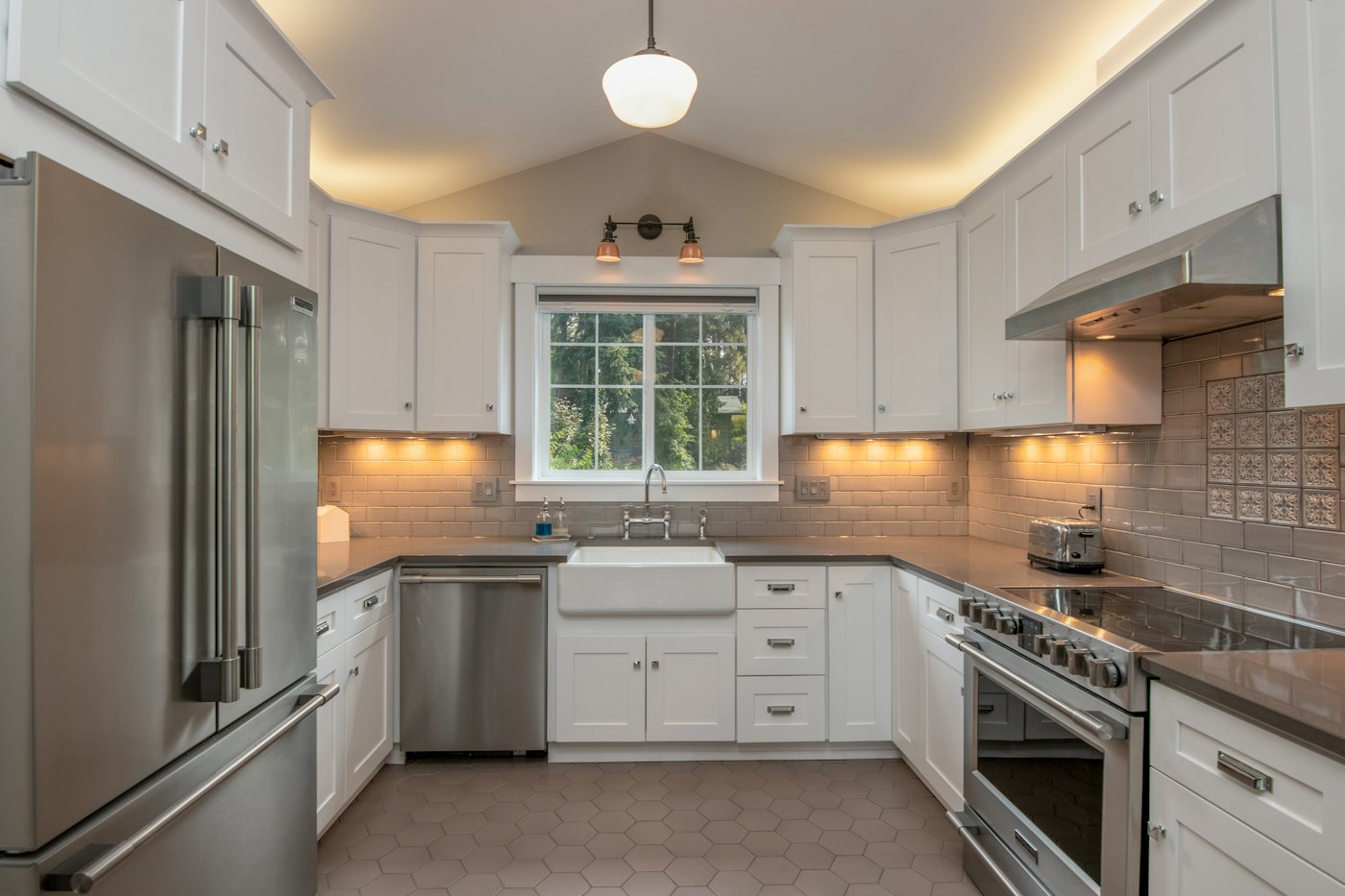
A blind corner cabinet is the base or wall cabinet where two runs of cabinets meet at a right angle and part of the interior hides behind the neighboring cabinet. You open a normal-looking door and find a deep, dark tunnel off to one side. Things go in there and stay. The fix depends on two measurements most people skip: how wide the door opening is, and how far the hidden section runs.
Store your least-used items in the hidden section and daily items in front of the door. For a no-tools fix, use handled bins short enough to pass through the door opening. For easier access, look at a swing-out (half-moon or kidney-shaped shelves) or a blind corner pull-out, but only after checking the product’s listed minimum opening width, cabinet depth, and which side the blind section is on.
1. Confirm what kind of corner you have
Corner cabinets come in a few forms, and the storage that fits each is different:
- Blind corner: one door on one face, with the interior extending sideways behind the adjoining cabinet. Usually there’s a filler strip between the door and the next cabinet so doors and handles don’t collide.
- L-shaped corner with a bi-fold door: two doors hinged together across the corner. These typically suit a full-circle or pie-cut lazy Susan.
- Diagonal corner: a single angled door across the corner, also typically a lazy Susan candidate.
This guide covers the blind type. Note whether the blind section is to the left or right of the door; many pull-outs are made in left- and right-hand versions.
2. Measure the cabinet
- Door opening width: measure the clear opening inside the face frame, not the door itself. This is the number most hardware depends on.
- Interior width: from the inside of the side wall to the far end of the hidden section.
- Interior depth: from the inside of the face frame to the back wall.
- Interior height and the height of any fixed or adjustable shelf.
- Face-frame or frameless: frameless cabinets have no lip around the opening, which changes how some hardware mounts.
- Obstacles: hinges, shelf supports, a center stile, pipes, or a dishwasher line running through the side.
- Blind side: left or right.
Write the numbers on a sketch. Product listings for corner hardware usually state a minimum opening width and minimum interior depth; compare yours to those, not to the cabinet’s nominal size.
3. Zone it by how often you reach
Weekly pots, mixing bowls
Monthly items in bins
Seasonal, backstock
The hidden section is the right home for things you use a few times a year: holiday platters, a roasting pan, a stockpot for canning, bulk paper goods. Whatever you reach for weekly should sit directly behind the door, where you can grab it without bending in.
4. Blind corner options compared
| Option | Access | Install | Check first |
|---|---|---|---|
| Handled bins | Pull a bin forward, then out | None | Bin length must be shorter than the door opening width |
| Turntable in front | Good for the front zone only | None | Diameter versus opening and depth; it won’t reach the hidden section |
| Swing-out half-moon or kidney shelves | Shelves pivot out through the door | Moderate, usually screwed in | Listed minimum opening, depth, and blind side; door and hinge clearance |
| Blind corner pull-out (linked baskets) | Front baskets slide out, rear baskets glide into view | More involved; often the most hardware | Opening width, interior width, depth, and weight rating per basket |
| Slide-out shelf in the front | Front zone only | Moderate | Opening width minus hinge and face-frame clearance |
| Dead-space approach | Leave the hidden part for rarely used items | None | A flashlight or puck light so you can see in |
For more on slide-outs in standard base cabinets, see our pull-out organizer comparison.
Worked example: bins that actually come out
Imagine a blind base cabinet with an interior about 34 inches wide and 22 inches deep, and a door opening about 14 inches wide. That leaves roughly 20 inches of hidden section to one side.
The hidden section looks perfect for long bins, but a bin has to exit forward through the 14-inch opening. A 16-inch bin can slide sideways out of the blind area, then jam against the frame when you try to pull it out. So the bins need to be shorter than about 13 inches, allowing a little room to angle them.
With bins about 12 inches long and 6 inches wide, set with their long side parallel to the back wall, three rows fit in the 22-inch depth (18 inches) with room to grip. Two bins per row take about 24 inches of width, filling the 20-inch hidden section and reaching about 4 inches into the space behind the door. That’s about six bins of seasonal items, each one coming out with a sideways slide and a pull. Back-row bins come out after the front row, so put the least-used items there. Front of the door stays open for the pans you use every week. Measure your own cabinet; corner cabinet sizes vary widely.
5. Before you install hardware
- Check door swing and handles. A swing-out has to clear the open door, the hinge, and the handle on the neighboring drawer or door.
- Look at the shelf. Many pull-outs and swing-outs require removing the existing shelf. Check whether yours is fixed.
- Plan for the floor of the cabinet. Some hardware mounts to the cabinet floor and side; a sagging or damaged floor may need repair first.
- Read the template. Most kits include a mounting template and list the tools needed. If the instructions call for a minimum face-frame width or specific screws, follow them.
- Hire help if the cabinet is out of square or the install requires cutting the face frame.
6. Fit and safety
- Respect the weight rating of each shelf or basket, and keep heavy cast iron on the lowest, most stable level.
- Swing-outs and linked pull-outs can create pinch points. Keep fingers clear when closing, and teach children not to play with them.
- Close the cabinet door fully before you walk away; an open corner door is easy to hit with a hip or knee.
- Don’t store cleaning chemicals in a hidden section where you can’t see spills, and keep them away from food.
- Use a battery puck light rather than running a cord into the cabinet.
7. What to buy
- Handled bins shorter than your door opening, for a no-install fix.
- A battery motion-sensor puck light for the dark hidden section.
- A turntable or slide-out shelf for the front zone, if you need easier daily access.
- A swing-out or blind corner pull-out, only after matching its listed minimum opening, depth, and handing to your measurements.
Compare blind corner cabinet storage
Affiliate disclosure: As an Amazon Associate I earn from qualifying purchases. These links open Amazon search results for the formats in this guide, not recommendations for a specific model. Check minimum opening, depth, and left- or right-hand fit against your cabinet before buying.
Questions
Can I put a lazy Susan in a blind corner cabinet?
A full-circle lazy Susan usually doesn’t suit a blind corner, because the door opening is too narrow and the hidden section is off to one side. Swing-out half-moon or kidney-shaped shelves are the corner hardware typically designed for blind cabinets. A small turntable can still help in the front zone.
What should I store in a blind corner cabinet?
Rarely used items in the hidden section, such as holiday dishes, large platters, small appliances you use a few times a year, and backstock. Keep pots, bowls, or anything you use weekly right behind the door.
Is a blind corner pull-out worth it?
It can be if you’d otherwise lose a large cabinet to dead space and you’re comfortable with a more involved install. If you only store seasonal items there, handled bins and a light may give you most of the benefit for much less effort.
Keep reading
More guides for your space
THE KINDRED JOURNAL
Latest from the journal
- Toy Storage Ideas: 13 Ways to Make Room Before the Holiday Toy Wave
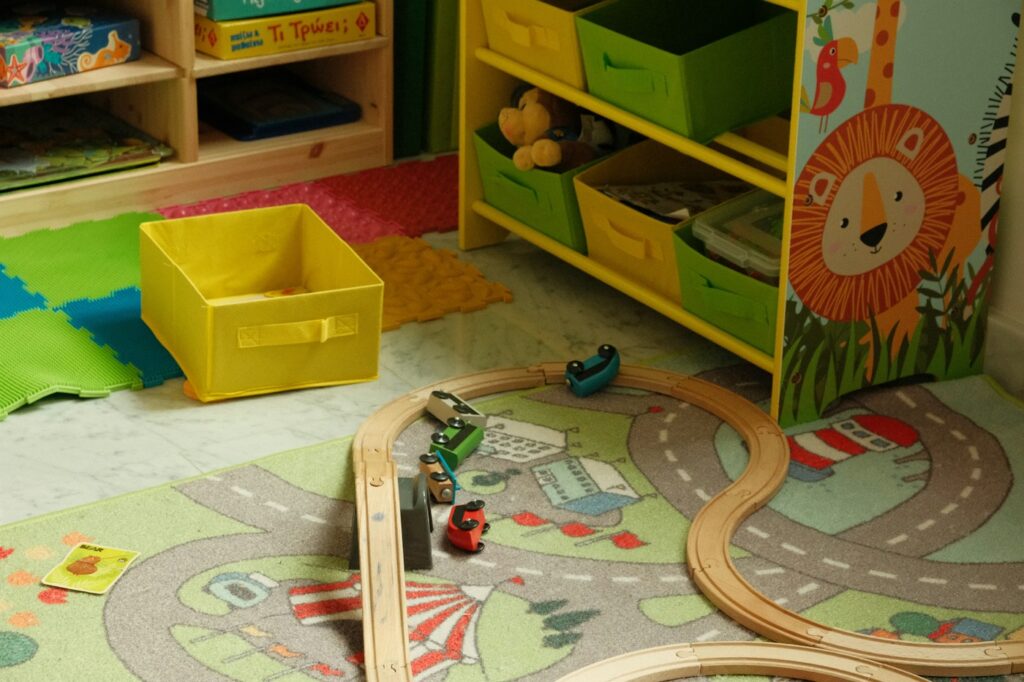 Edit the toys before the gifts arrive, give each kind of play one open bin on an anchored low shelf, keep small parts and spare batteries out of a toddler’s reach, skip latching lids and rotate the extras: thirteen toy storage ideas for the weeks before and after the holidays.
- Best Gift Wrap Organizers: 5 Picks for a Closet Corner, Under the Bed or the Back of a Door
 An upright box that holds up to 32 long rolls, a 41.5-inch under-bed bag for big collections, a water-resistant zip bag, an over-the-door organizer and a slim canvas case for eight rolls: five gift wrap organizers matched to the space you can give them.
- Cord and Cable Storage: 13 Ideas for the Spare Chargers, Cables and Adapters Nobody Can Find
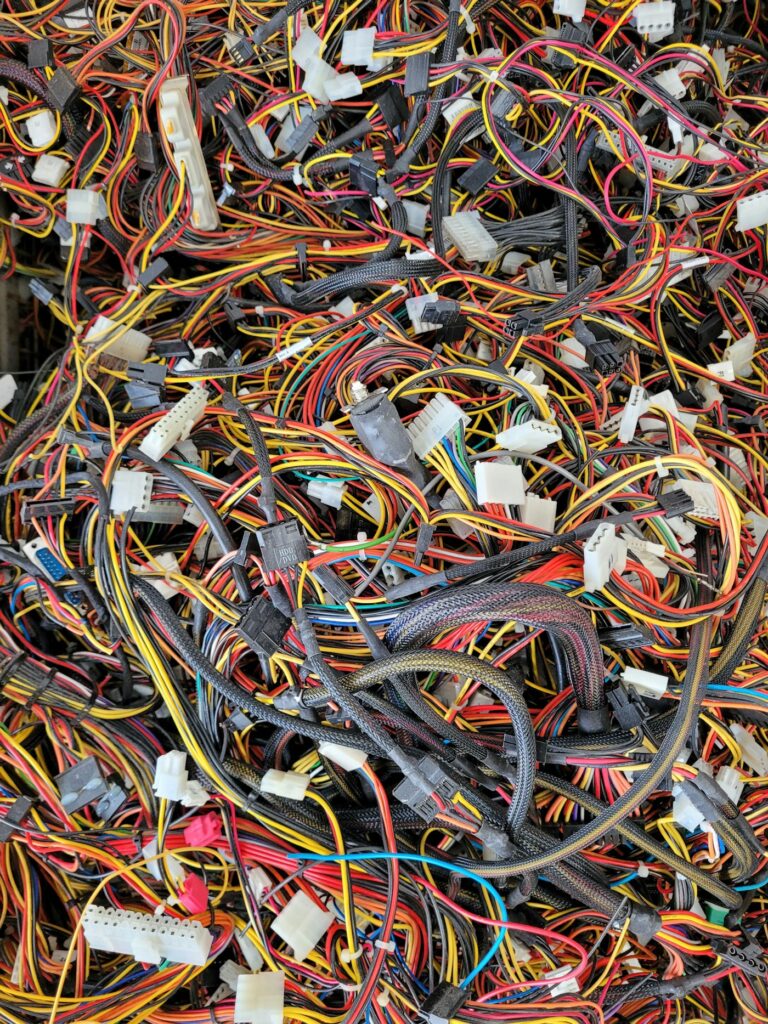 Match every cable to a device you still own, keep a sensible number of spares by connector type, coil them loosely, label the mystery bricks, hang the extension cords and send old batteries and dead cables to a proper drop-off: thirteen ways to store spare cords so the right one turns up in seconds.
- Window Condensation in Winter: Find Which Side the Water Is On, Then Match Humidity to the Forecast
 Do the wipe test to tell room-side fog from a failed seal, check a hygrometer against the outdoor low, keep humidity at or under 40% above 20°F and 30% below 10°F, run the fans, open the curtains by day and dry wet sills the same morning: a window condensation guide with a worked cold-week example.
- How to Clean a Range Hood Filter Before Holiday Cooking: Know Your Filter Type, Then Put It on the Calendar
 Wash metal mesh and baffle filters in hot soapy water or the dishwasher, replace charcoal filters instead of rinsing them, never run the hood with the filter out, and clean the weekend before Thanksgiving and again before Christmas: a range hood filter guide with a worked holiday cleaning calendar.
- Drying Clothes Indoors in Winter: Where the Rack Goes, How Much Rail You Need and What It Saves
 One load gives off about 2 liters of water as it air-dries, so put the rack where that moisture can leave, keep it 3 feet from the space heater, count inches of rail before you buy, space and turn the heavy things, watch humidity and window condensation, and know what the dryer you’re skipping really costs: indoor drying with the math.
- Hat, Glove and Scarf Storage by the Door: One Bin Per Person, Sized to What They Actually Wear
 Keep a daily set plus one dry spare per person, size an open bin for each from a quick measurement, dry wet mittens before they go in, clip pairs together, hang woven scarves and fold knits, skip long scarves on the playground and wash wool before it’s sealed away: a hat and glove station with a worked bin-size example.
- Guest Room That Doubles as Storage: Pick the Bed by Floor Space, Keep the Window Clear
 Count the nights the room really hosts, compare bed footprints before comfort, put storage on one wall behind a curtain, keep the window and door clear, leave guests half the closet and one drawer, and pack a single guest bin: a storage room that turns into a guest room in fifteen minutes, with a worked 10 by 11 foot example.
- Dining Room Storage for Holiday Hosting: Measure the Walkway First, Then Fit the Sideboard
 Measure the table with the leaf in, leave 44 inches where people walk and 32 where nobody passes, subtract the sideboard’s depth before you buy, anchor the hutch and give the leaf, extra chairs and holiday linens a home: dining room storage planned for the biggest night of the year, with a worked placement example.