A kids closet gets messy for predictable reasons: clothes that no longer fit stay mixed with clothes that do, the rod is set for an adult, and bins have no labels a child can read. Kids grow fast, so the closet has to change every few months. Set it up at your child’s height, keep only what fits now, and give next year’s sizes a clear place to wait.
Sort clothes into fits now, too small, and too big. Hang or fold only what fits now, at a height your child can reach, with picture or word labels on every bin. Store too-big clothes in a labeled bin up high, and keep a donate bag in the closet for outgrown items. Anchor any dresser or shelf in the room to the wall.
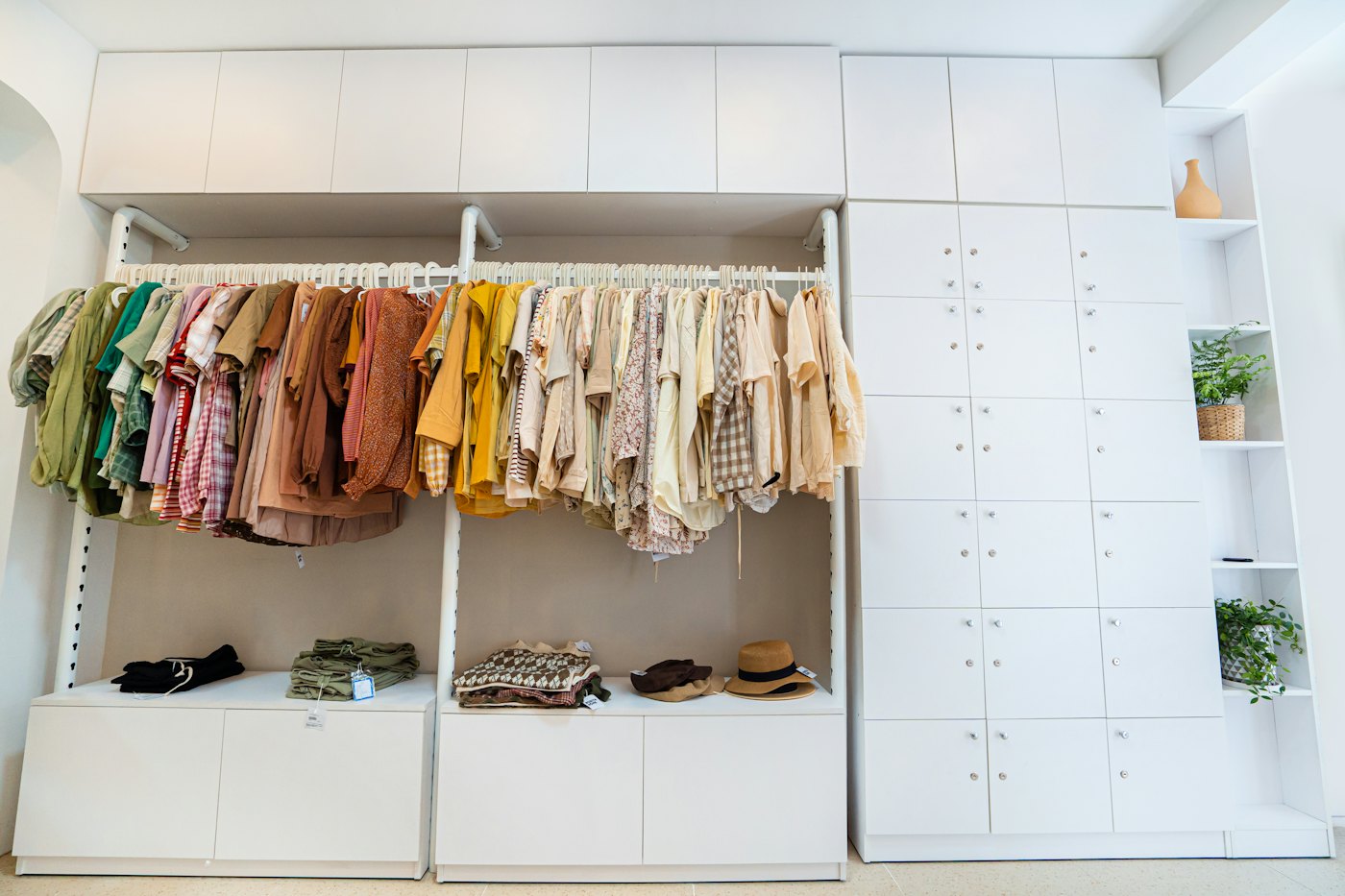
1. Edit by size and season first
Empty the closet onto the bed and make four piles:
- Fits now and in season: the only pile that goes back in the reachable part of the closet.
- Fits now, off season: a labeled bin on a high shelf or under the bed.
- Too big: hand-me-downs and gifts to grow into, sorted by size into labeled bins.
- Too small or worn out: donate, pass on, or recycle textiles.
If you’re unsure, have your child try a few questionable items on. Shorts and pants that are too short and shirts tight at the shoulders usually aren’t worth keeping in rotation.
2. Set everything at your child’s height
The single biggest change in most kids closets is lowering what they use daily. Have your child stand in front of the closet and reach up comfortably, without stretching on tiptoe. Set the rod for everyday clothes a few inches below that point so they can take hangers down and put them back. Measure your own child; reach changes quickly at these ages.
Options include an adjustable closet system, a second rod installed lower on the wall studs or closet sides, or a hanging rod extender that hooks over the existing rod. Kid-size hangers take up less rod and are easier for small hands.
3. Zone the closet in three heights
Next size, off season
Child-height rod
Shoes, daily bins, hamper
Your child should manage the middle and low zones. The high zone holds bins you rotate a few times a year. If the closet is shared between siblings, give each child a color for hangers or labels, and split the rod with a divider.
4. Storage formats for kids closets
| Format | Best for | Check first |
|---|---|---|
| Lower rod or rod extender | Child-height hanging for dresses, shirts, jackets | Weight limit, and that a hanging extender is secure on the existing rod |
| Open bins on low shelves | Pajamas, underwear, socks, play clothes | Shelf depth and height; bins a child can lift when full |
| Hanging shelf organizer | Folded outfits by day of the week | Rod space it takes away from hanging, and how it attaches |
| Low shoe rack | Daily shoes on the closet floor | Floor width and door swing |
| Over-door pocket organizer | Accessories, hair items, small shoes | Door thickness and clearance; pockets must stay above toddler reach if items are small |
| Lidded bins up high | Next size and off-season clothes | Shelf height and a sturdy step stool for adults |
| Closet hamper | Dirty clothes, so they don’t hit the floor | Floor footprint and a lid or open top your child can manage |
Worked example: a reach-in closet for a six-year-old
Say the closet is about 48 inches wide with one adult-height rod and a shelf above it. After editing, your child has 24 items to hang and a stack of folded play clothes and pajamas.
Kid-size hangers with clothes on them often take around an inch of rod each, so 24 items need roughly 24 to 30 inches of rod. That’s about half to two-thirds of the closet width. Hang a rod extender or install a lower rod across about 30 inches on one side, at the height your child can reach. The adult rod above holds dress clothes and jackets your child doesn’t need daily.
The remaining 18 inches of floor space takes a small cube shelf with three or four fabric bins labeled pajamas, play clothes, underwear and socks, and swim. Daily shoes go on a low rack under the hanging clothes, and a narrow hamper fits beside the door. The top shelf holds two lidded bins: next size up and off season. Measure your closet and your child’s clothes; everything here is an example.
5. Adjust the plan by age
- Babies and toddlers: adults manage almost everything. Fold small clothes into bins or drawers by type, and keep changing supplies within the adult’s reach but away from little hands.
- Preschoolers: picture labels on bins and a low rod for a few favorite outfits. Two or three choices at a time cut down on morning negotiations.
- School age: word labels, a day-of-the-week hanging organizer if mornings are rushed, and a spot for the school uniform or sports kit.
- Tweens and teens: raise the rod, add a full-length mirror outside the closet, and let them choose how folded items are grouped. They’re more likely to keep a system they had a hand in.
6. Fit and safety
- Anchor furniture. Dressers, bookcases, and cube shelves can tip if a child climbs or pulls out drawers. Attach them to the wall with anti-tip hardware, and don’t rely on a closet’s tight fit to hold them.
- Keep heavy bins on low shelves and light ones up high. Children may pull on a shelf to reach something.
- Use a sturdy step stool for adults reaching high bins; don’t leave it where a young child can climb to an upper shelf.
- Avoid hooks at a young child’s eye or face height, and choose rounded hooks where possible.
- If you use a toy chest or bench with a lid, choose one with a lid support that holds it open, so it can’t slam on fingers or trap a child.
- Keep small items such as hair clips, buttons, and coin batteries from toys out of reach of children who still put things in their mouths.
- Install closet rods into studs or the closet sides with the hardware provided; a child may hang on a low rod.
7. What to buy
- Kid-size hangers, enough for the fits-now items plus a few spares.
- A rod extender or a second lower rod.
- Open bins with label holders for low shelves.
- Two lidded bins for next size and off season.
- Furniture anti-tip kits for any dresser or shelf in the room.
Compare kids closet storage
Affiliate disclosure: As an Amazon Associate I earn from qualifying purchases. These links open Amazon search results for the formats in this guide, not recommendations for a specific model. Check dimensions and weight limits against your closet before buying.
Questions
How high should a closet rod be for a child?
There isn’t one right height, because children grow quickly. Have your child reach up comfortably and set the rod a few inches below that point. Adjustable systems or rod extenders make it easy to raise later.
Should kids clothes be hung or folded?
Many small clothes fold more compactly than they hang. Hang items that wrinkle or that your child wears as a whole outfit, such as dresses, button-down shirts, and jackets, and fold the rest into labeled bins.
How often should I clean out a kids closet?
A quick size check at each change of season works for many families, with a donate bag kept in the closet for anything outgrown in between. Growth spurts may call for an extra check.
Related: Double hang closet rod heights that actually work
Keep reading
More guides for your space
THE KINDRED JOURNAL
Latest from the journal
- Toy Storage Ideas: 13 Ways to Make Room Before the Holiday Toy Wave
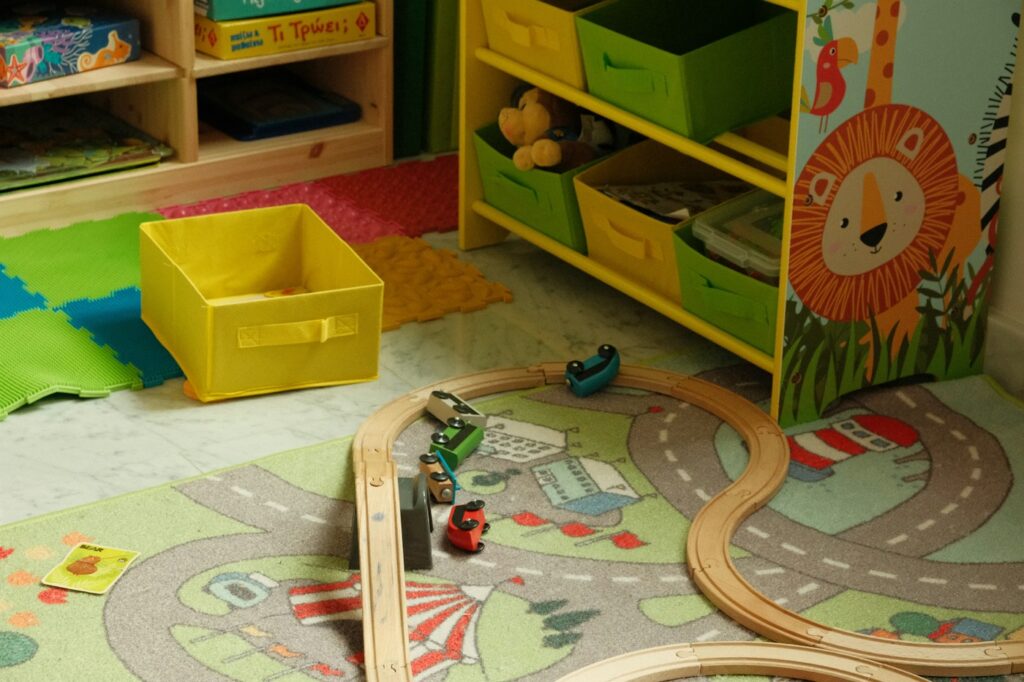 Edit the toys before the gifts arrive, give each kind of play one open bin on an anchored low shelf, keep small parts and spare batteries out of a toddler’s reach, skip latching lids and rotate the extras: thirteen toy storage ideas for the weeks before and after the holidays.
- Best Gift Wrap Organizers: 5 Picks for a Closet Corner, Under the Bed or the Back of a Door
 An upright box that holds up to 32 long rolls, a 41.5-inch under-bed bag for big collections, a water-resistant zip bag, an over-the-door organizer and a slim canvas case for eight rolls: five gift wrap organizers matched to the space you can give them.
- Cord and Cable Storage: 13 Ideas for the Spare Chargers, Cables and Adapters Nobody Can Find
 Match every cable to a device you still own, keep a sensible number of spares by connector type, coil them loosely, label the mystery bricks, hang the extension cords and send old batteries and dead cables to a proper drop-off: thirteen ways to store spare cords so the right one turns up in seconds.
- Window Condensation in Winter: Find Which Side the Water Is On, Then Match Humidity to the Forecast
 Do the wipe test to tell room-side fog from a failed seal, check a hygrometer against the outdoor low, keep humidity at or under 40% above 20°F and 30% below 10°F, run the fans, open the curtains by day and dry wet sills the same morning: a window condensation guide with a worked cold-week example.
- How to Clean a Range Hood Filter Before Holiday Cooking: Know Your Filter Type, Then Put It on the Calendar
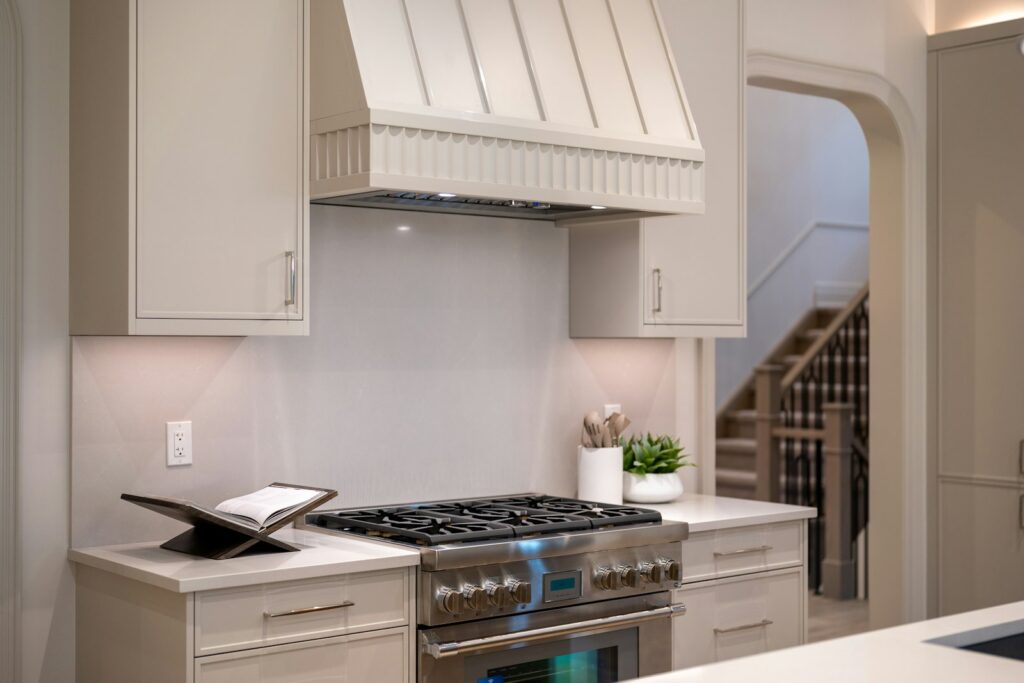 Wash metal mesh and baffle filters in hot soapy water or the dishwasher, replace charcoal filters instead of rinsing them, never run the hood with the filter out, and clean the weekend before Thanksgiving and again before Christmas: a range hood filter guide with a worked holiday cleaning calendar.
- Drying Clothes Indoors in Winter: Where the Rack Goes, How Much Rail You Need and What It Saves
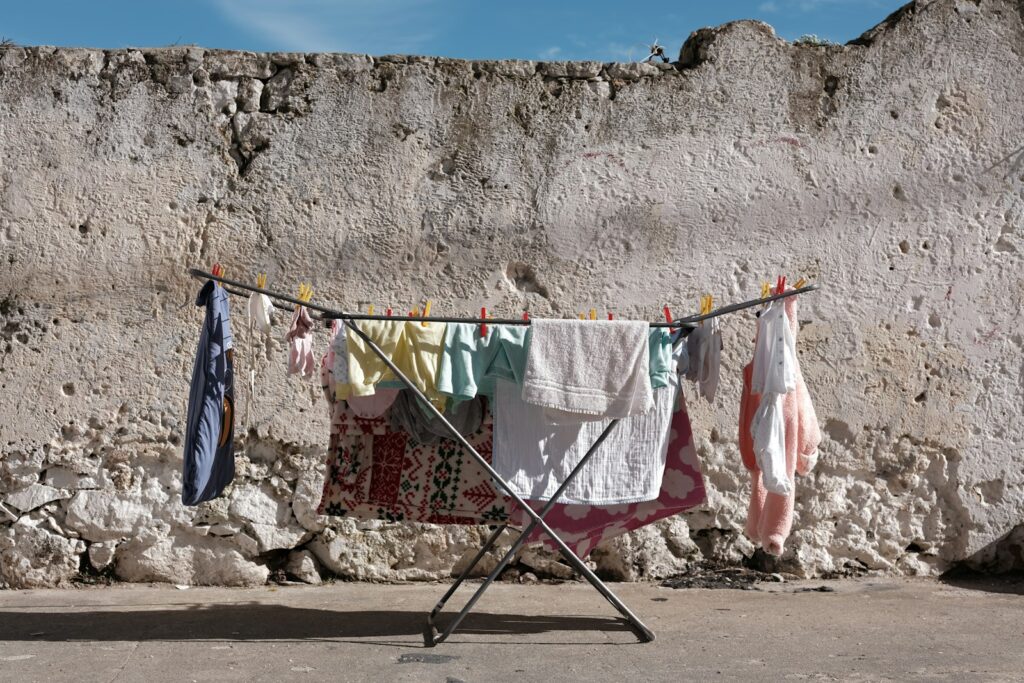 One load gives off about 2 liters of water as it air-dries, so put the rack where that moisture can leave, keep it 3 feet from the space heater, count inches of rail before you buy, space and turn the heavy things, watch humidity and window condensation, and know what the dryer you’re skipping really costs: indoor drying with the math.
- Hat, Glove and Scarf Storage by the Door: One Bin Per Person, Sized to What They Actually Wear
 Keep a daily set plus one dry spare per person, size an open bin for each from a quick measurement, dry wet mittens before they go in, clip pairs together, hang woven scarves and fold knits, skip long scarves on the playground and wash wool before it’s sealed away: a hat and glove station with a worked bin-size example.
- Guest Room That Doubles as Storage: Pick the Bed by Floor Space, Keep the Window Clear
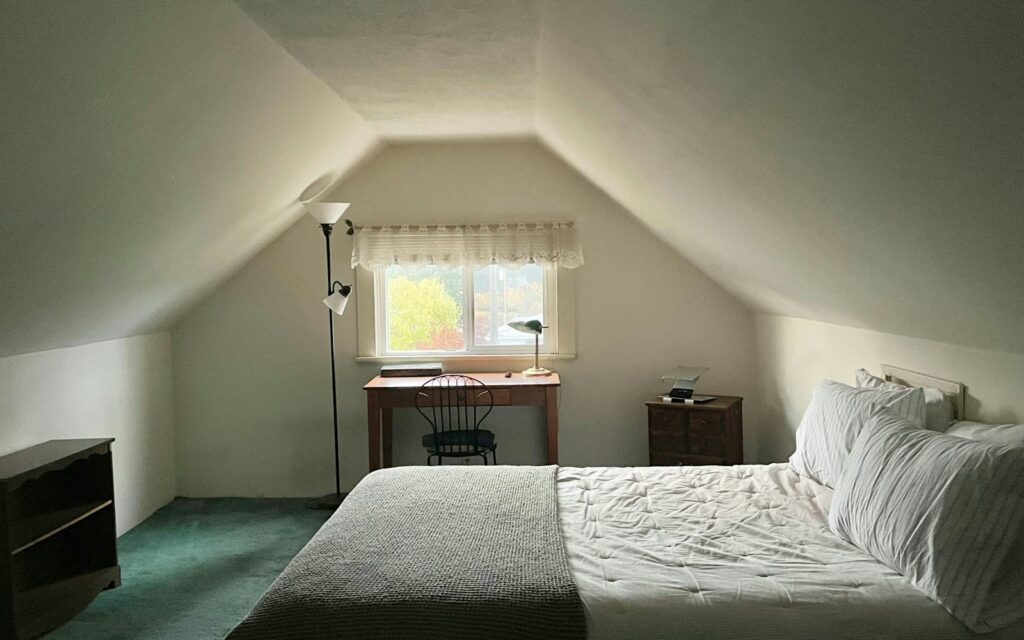 Count the nights the room really hosts, compare bed footprints before comfort, put storage on one wall behind a curtain, keep the window and door clear, leave guests half the closet and one drawer, and pack a single guest bin: a storage room that turns into a guest room in fifteen minutes, with a worked 10 by 11 foot example.
- Dining Room Storage for Holiday Hosting: Measure the Walkway First, Then Fit the Sideboard
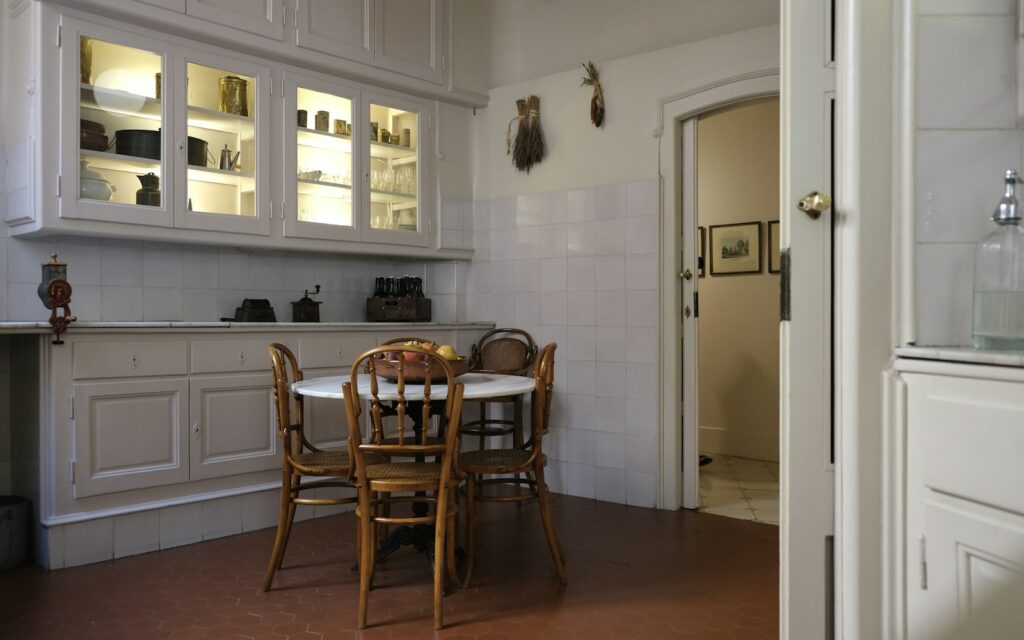 Measure the table with the leaf in, leave 44 inches where people walk and 32 where nobody passes, subtract the sideboard’s depth before you buy, anchor the hutch and give the leaf, extra chairs and holiday linens a home: dining room storage planned for the biggest night of the year, with a worked placement example.