Every degree you add on the thermostat shows up on the heating bill. Before you turn it up, try making the heat you already pay for stay put and feel warmer. Most of these ideas cost under $30, and several are free.
Affiliate disclosure: As an Amazon Associate I earn from qualifying purchases. Shopping links in this post open Amazon search results for a type of item, not a specific product we’ve tested.
Keep the heat in
1. Stop drafts at the bottom of doors
A gap under an exterior door can let in a steady stream of cold air. A door sweep screws onto the bottom of the door; a fabric draft stopper just lies against it. Either is a quick, cheap fix. Door draft stoppers on Amazon ↗
2. Replace worn weatherstripping
Close a door on a sheet of paper. If it slides out easily, the seal is worn. Peel-and-stick foam or V-strip weatherstripping takes about 20 minutes per door.

3. Use window insulation film on drafty windows
Clear shrink film kits seal over the inside of a window frame and tighten with a hair dryer. They’re temporary and come off in spring, which makes them a good option for renters and old single-pane windows. Window insulation kits on Amazon ↗
4. Hang thermal or lined curtains
Heavy, lined curtains add a layer between a cold window and the room. Hang them close to the window and let them reach the sill or floor so warm air can’t slip behind them.
5. Open curtains on sunny days, close them at night
South-facing windows let in free heat on sunny winter days. Open those curtains in the morning and close all curtains once the sun goes down.
6. Seal outlets on exterior walls
Outlets and switch plates on outside walls can leak cold air. Foam gaskets fit behind the cover plate and take a minute each. Switch off the circuit before removing a plate.
Move the warm air where you are
7. Reverse your ceiling fan
Warm air rises and collects near the ceiling. Run your fan on low in the reverse direction (usually clockwise) to push it gently back down without creating a chilly breeze.
8. Keep vents and radiators clear
A couch in front of a vent or a long curtain over a radiator traps heat where you can’t feel it. Move furniture a few inches out, and vacuum vents so air flows freely.
9. Close doors to rooms you don’t use
Close off a guest room or storage room to keep warm air in the rooms you live in. Don’t close lots of supply vents in a forced-air system, though; our thermostat mistakes guide explains why that can backfire.
10. Put rugs on bare floors
Hard floors, especially over a crawl space or unheated basement, feel cold underfoot. An area rug makes the room feel warmer, so you’re less tempted to turn up the heat.
Warm people, not the whole house
11. Use an electric blanket or mattress pad
Warming your bed uses far less energy than heating the whole house overnight, which means you can turn the thermostat down further while you sleep. Follow the manufacturer’s directions and replace any blanket with damaged wiring.
12. Use a space heater safely, and only where you sit
A space heater can warm the one room you’re in while the rest of the house stays cooler. Choose one with tip-over and overheat shutoff, keep it at least 3 feet from anything that can burn, plug it straight into the wall, and turn it off when you leave the room or go to sleep.
13. Dress for the season
It sounds obvious, but slippers, a sweater, and a throw on the couch make a lower thermostat setting comfortable. It’s the cheapest heat there is.
To find the leaks behind cold rooms, see 9 places your home is losing heat.
Common questions
Do thermal curtains really make a difference?
They help most at night and on drafty or single-pane windows, because they add a layer between the cold glass and the room. They work best when they’re close to the window and reach the sill or floor. They won’t fix a big air leak, so seal drafts first.
Is a space heater cheaper than turning up the heat?
It can be if you’re warming one small room you’re sitting in and keep the rest of the house cooler. Running several heaters for hours, or heating a whole floor with one, usually costs more than your central system. Always follow the safety steps in idea 12.
What can renters do?
Most ideas here are renter-friendly: draft stoppers, removable window film, tension-rod curtains, rugs, and outlet gaskets. For bigger leaks or a heating system that can’t keep up, ask your landlord in writing; many areas have minimum heat requirements for rentals.
When should I call a professional?
If rooms stay cold even after sealing drafts, if your furnace runs constantly, or if you smell gas or notice soot, stop and call a qualified heating technician. For gas leaks, leave the house first and call your gas utility from outside.
Related: Best heated throw blankets · Best space heaters for a small room
Keep reading
More ways to save at home
THE KINDRED JOURNAL
Latest from the journal
- What Holiday Lights Really Cost to Run: LED vs. Incandescent, With the Math for Your Own Display
 Read the watts off each tag, multiply by your hours and your own rate, and the answer is clear: eight incandescent strings cost about $25.70 a season in our worked example and their LED versions about $2.18, big C9 bulbs pay back an LED swap in about three seasons, and working mini lights can wait.
- Ideal Indoor Humidity in Winter: Find Your Number, Check Your Meter, Then Add Only What the Room Needs
 Aim for 30 to 50% and never humidify past 50%, let the windows set the limit on the coldest nights, salt-test your hygrometer before you trust it, seal drafts first because a whole bedroom needs only about 4½ ounces of water, and clean the tank on a schedule: a winter humidity guide with the math worked out.
- Toy Storage Ideas: 13 Ways to Make Room Before the Holiday Toy Wave
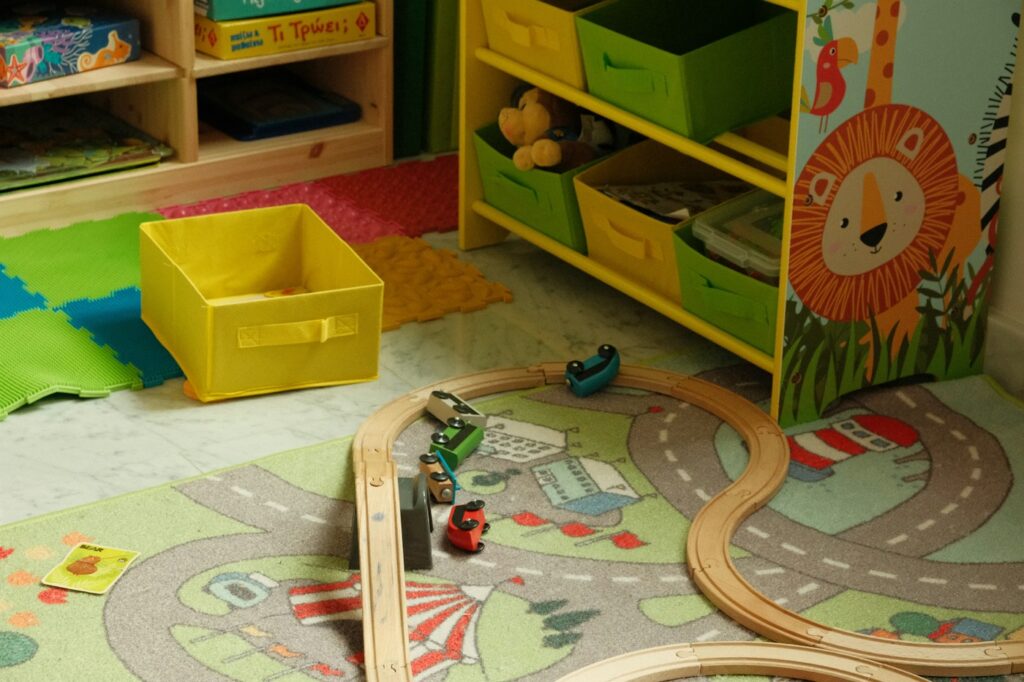 Edit the toys before the gifts arrive, give each kind of play one open bin on an anchored low shelf, keep small parts and spare batteries out of a toddler’s reach, skip latching lids and rotate the extras: thirteen toy storage ideas for the weeks before and after the holidays.
- Best Gift Wrap Organizers: 5 Picks for a Closet Corner, Under the Bed or the Back of a Door
 An upright box that holds up to 32 long rolls, a 41.5-inch under-bed bag for big collections, a water-resistant zip bag, an over-the-door organizer and a slim canvas case for eight rolls: five gift wrap organizers matched to the space you can give them.
- Cord and Cable Storage: 13 Ideas for the Spare Chargers, Cables and Adapters Nobody Can Find
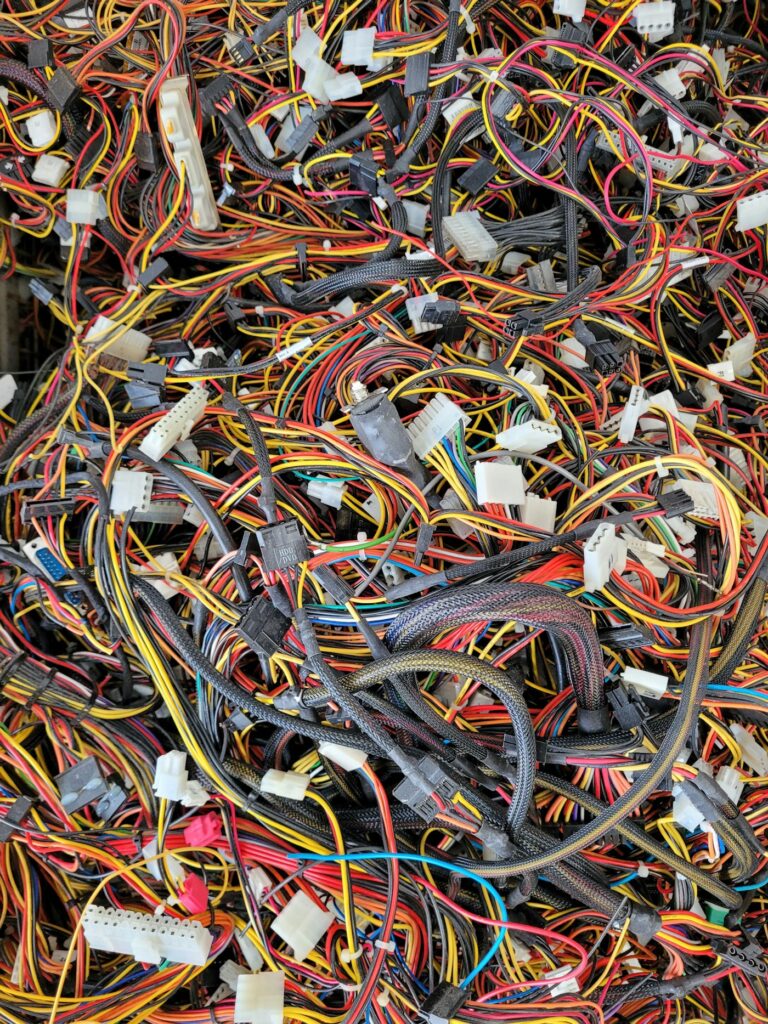 Match every cable to a device you still own, keep a sensible number of spares by connector type, coil them loosely, label the mystery bricks, hang the extension cords and send old batteries and dead cables to a proper drop-off: thirteen ways to store spare cords so the right one turns up in seconds.
- Window Condensation in Winter: Find Which Side the Water Is On, Then Match Humidity to the Forecast
 Do the wipe test to tell room-side fog from a failed seal, check a hygrometer against the outdoor low, keep humidity at or under 40% above 20°F and 30% below 10°F, run the fans, open the curtains by day and dry wet sills the same morning: a window condensation guide with a worked cold-week example.
- How to Clean a Range Hood Filter Before Holiday Cooking: Know Your Filter Type, Then Put It on the Calendar
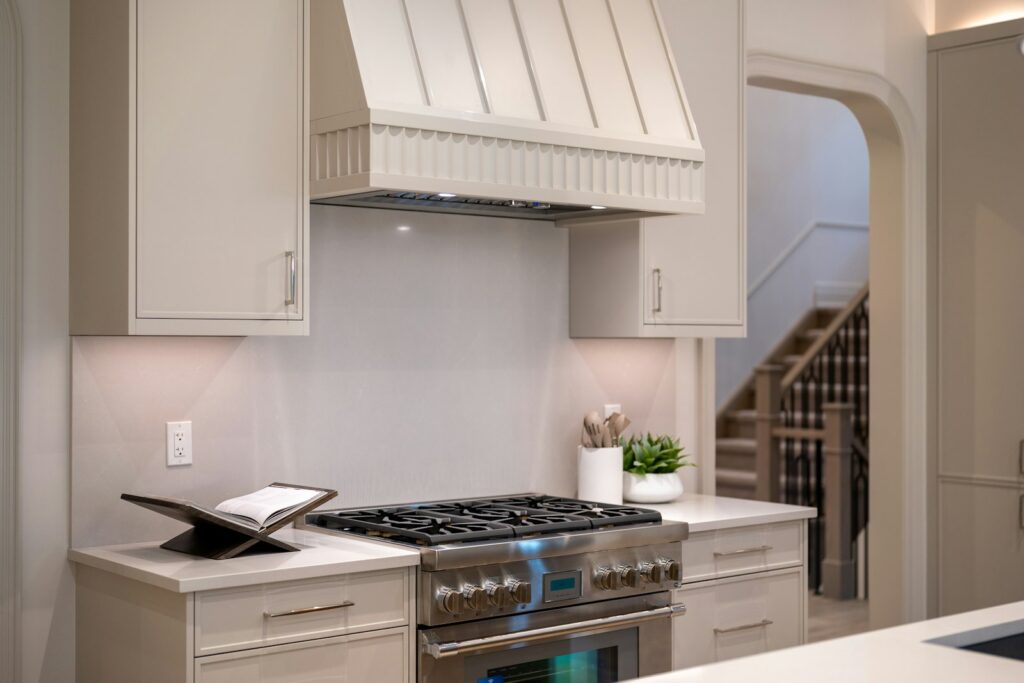 Wash metal mesh and baffle filters in hot soapy water or the dishwasher, replace charcoal filters instead of rinsing them, never run the hood with the filter out, and clean the weekend before Thanksgiving and again before Christmas: a range hood filter guide with a worked holiday cleaning calendar.
- Drying Clothes Indoors in Winter: Where the Rack Goes, How Much Rail You Need and What It Saves
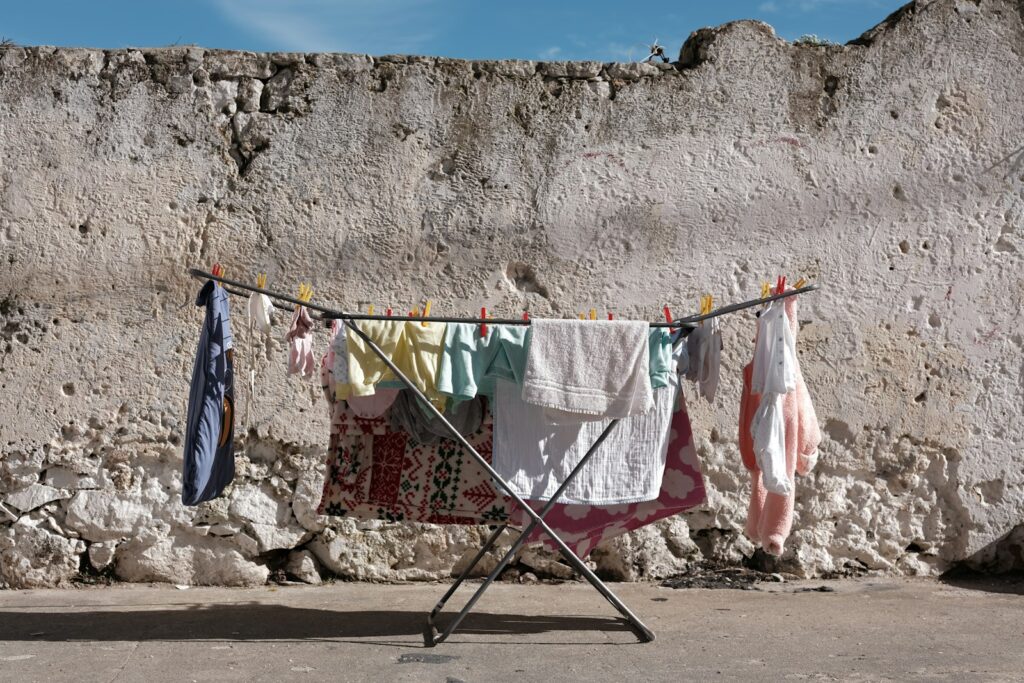 One load gives off about 2 liters of water as it air-dries, so put the rack where that moisture can leave, keep it 3 feet from the space heater, count inches of rail before you buy, space and turn the heavy things, watch humidity and window condensation, and know what the dryer you’re skipping really costs: indoor drying with the math.
- Hat, Glove and Scarf Storage by the Door: One Bin Per Person, Sized to What They Actually Wear
 Keep a daily set plus one dry spare per person, size an open bin for each from a quick measurement, dry wet mittens before they go in, clip pairs together, hang woven scarves and fold knits, skip long scarves on the playground and wash wool before it’s sealed away: a hat and glove station with a worked bin-size example.