Heating and cooling usually make up the biggest share of a home’s energy use, and one small box on the wall controls all of it. Most people set it once and forget it, or fiddle with it in ways that don’t help. Here are ten mistakes we see most often, and what to do instead.
Affiliate disclosure: As an Amazon Associate I earn from qualifying purchases. Shopping links in this post open Amazon search results for a type of item, not a specific product we’ve tested.
1. Turning it way up to heat the house faster
Most furnaces and air conditioners run at one speed. Setting 80°F instead of 70°F doesn’t warm the house faster; it just keeps the system running longer, past the temperature you actually wanted. Set the number you want and wait.
2. Never changing the temperature
The Department of Energy notes you can save on heating and cooling by turning the thermostat back several degrees for about eight hours a day, such as while you’re asleep or at work. A steady 72°F around the clock means paying full price for hours nobody notices.
3. Buying a programmable thermostat and never programming it
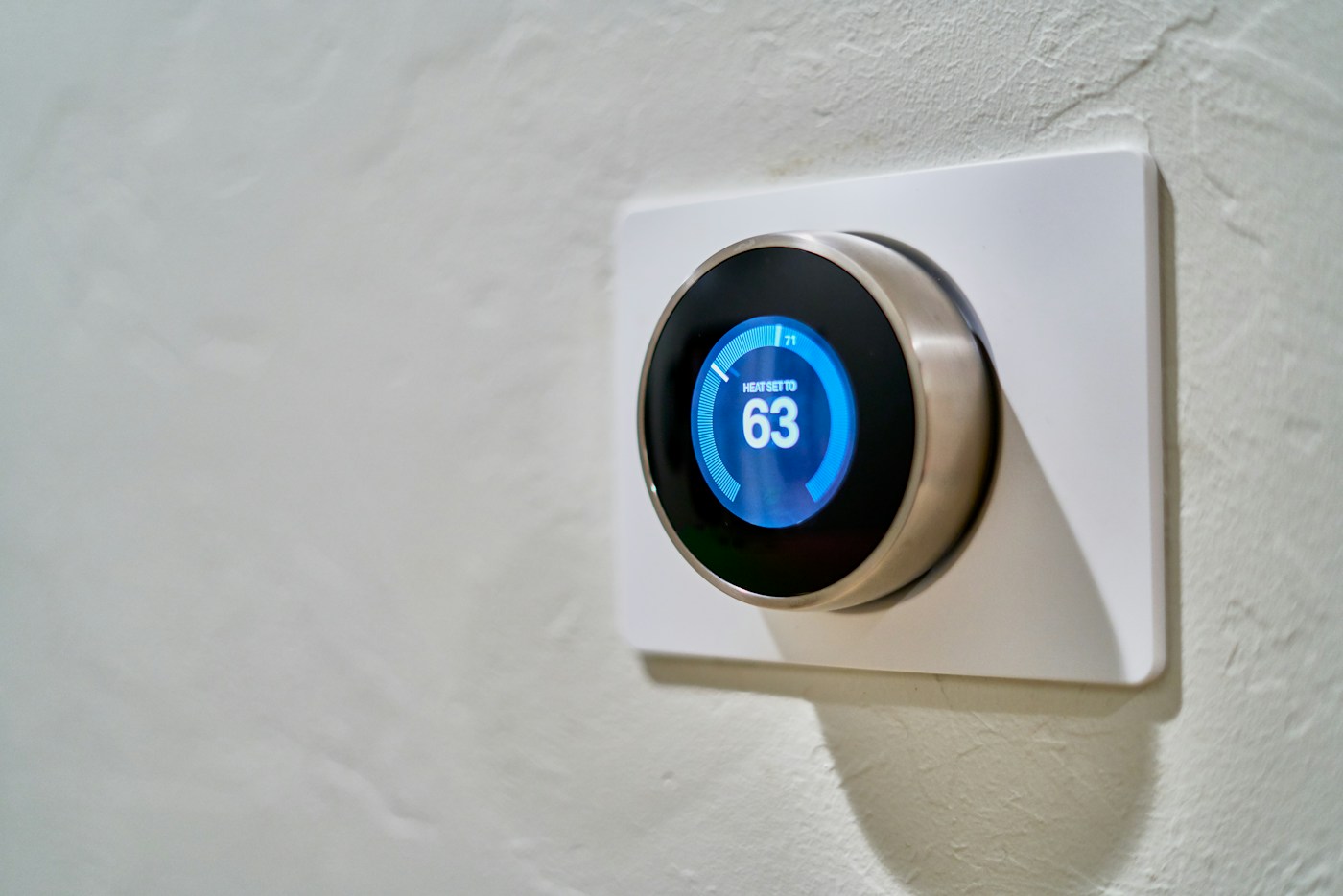
A programmable thermostat on “hold” is just an expensive manual thermostat. Spend ten minutes setting a weekday and weekend schedule. If that feels like too much, a smart thermostat that learns your routine may be a better fit. Smart thermostats on Amazon ↗
4. Putting the thermostat in the wrong spot
A thermostat in direct sun, above a lamp or TV, near a kitchen, or next to a drafty door reads the wrong temperature and runs the system at the wrong times. It works best on an interior wall, away from heat sources and drafts. Moving it is a job for an electrician or HVAC tech, but they can tell you quickly whether it’s worth it.
5. Big setbacks with a heat pump
If you have a heat pump, very large overnight setbacks can backfire. When the system tries to recover quickly, it may switch on electric backup heat, which costs much more to run. Use smaller setbacks, or a thermostat designed for heat pumps that limits backup heat. Ask your HVAC installer how your system is set up.
6. Running the fan “On” instead of “Auto”
On “On,” the blower runs all the time, even when the system isn’t heating or cooling. That uses electricity and, in summer, can pull moisture back into the house. “Auto” runs the fan only when it’s needed, which suits most homes.
7. Closing vents in unused rooms
It sounds logical, but in many forced-air systems, closing too many vents raises pressure in the ducts, which can push air out of leaks and make the system work harder. Close a vent or two if a room is too warm, but don’t close half the house.
8. Ignoring the filter
A dirty filter makes your system push air through dust, so it runs longer for the same comfort. Check it monthly in heavy-use seasons. Write the filter size on the furnace so you always buy the right one. HVAC filters on Amazon ↗
9. Fighting the thermostat with space heaters
If one room is always cold, a space heater feels like the fix, but it can trick a nearby thermostat into thinking the house is warm while the rest of it gets cold. Find out why the room is cold first: a blocked vent, a draft, or missing insulation. Our guide to where your home loses heat can help.
10. Forgetting about ceiling fans
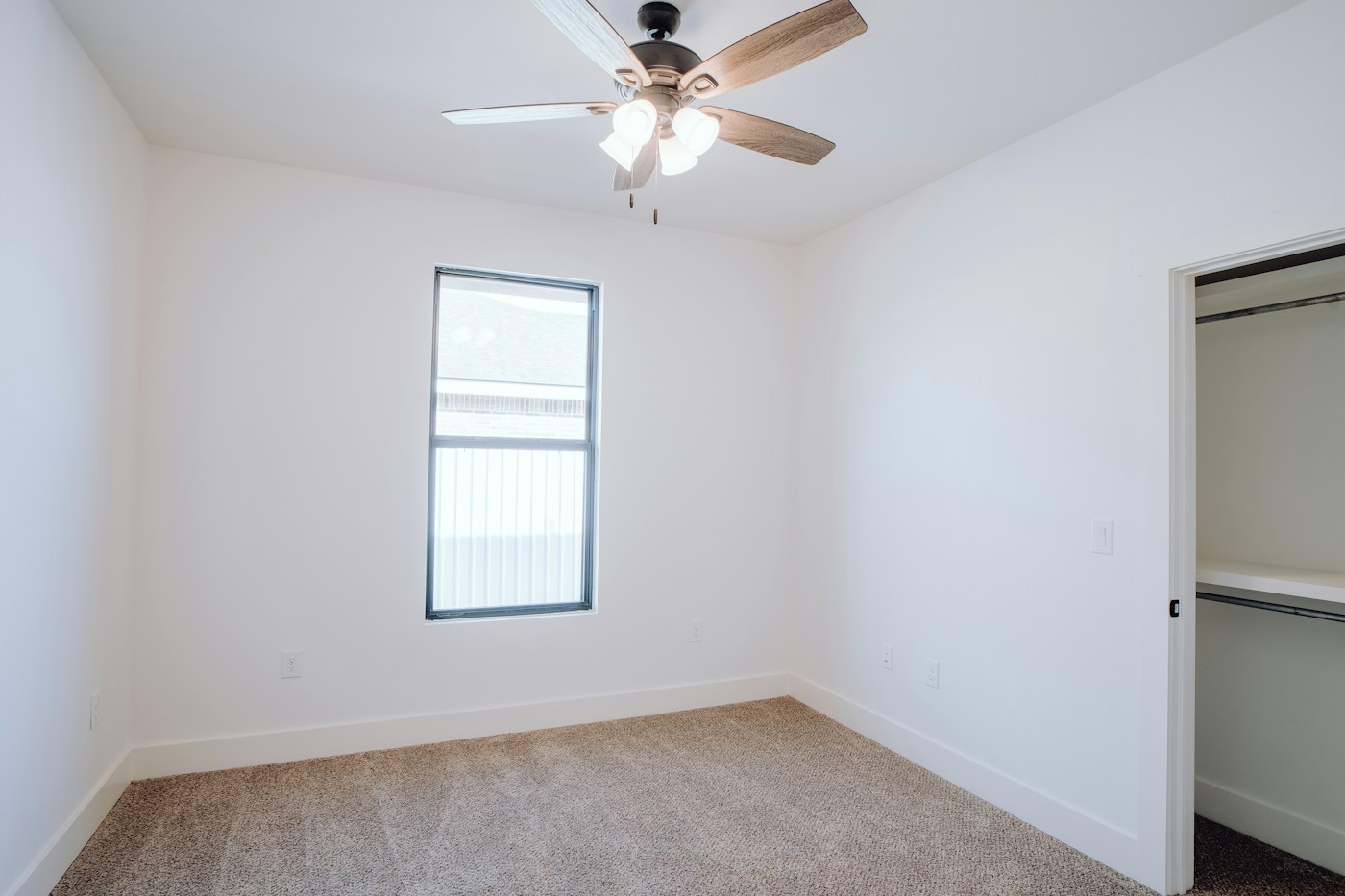
Fans don’t change the temperature, but they change how it feels. In summer, a fan blowing down lets you set the thermostat a little higher. In winter, running it slowly in reverse (usually clockwise) pushes warm air from the ceiling back down. Turn fans off when you leave the room, since they cool people, not rooms.
More ways to stay warm for less are in 13 cheap ways to keep your house warmer this winter.
Common questions
What temperature should I set in winter?
The Department of Energy suggests about 68°F while you’re awake and lower while you’re asleep or away, as long as everyone in the home is comfortable and healthy. Older adults, babies, and anyone with certain health conditions may need a warmer setting.
Is it cheaper to leave the heat on all day?
For most furnaces, no. Your home loses heat more slowly when it’s cooler inside, so turning the temperature back for several hours usually saves energy, even counting the warm-up. Heat pumps are the exception to watch: avoid large setbacks that trigger expensive backup heat.
Smart or programmable thermostat?
Both can save the same amount if you actually use the schedule. A programmable model is cheaper and works fine for a predictable routine. A smart model adjusts itself, can be controlled from your phone, and is easier for people who never set schedules. Check your utility for rebates on either.
Can I install a new thermostat myself?
Many people do, but check compatibility with your system first, especially for heat pumps, older systems, and line-voltage baseboard heaters. Turn off power at the breaker, take a photo of the wiring, and call an HVAC technician if anything doesn’t match the instructions.
Related: 8 signs your furnace or AC is about to fail
Keep reading
More ways to save at home
THE KINDRED JOURNAL
Latest from the journal
- Ideal Indoor Humidity in Winter: Find Your Number, Check Your Meter, Then Add Only What the Room Needs
 Aim for 30 to 50% and never humidify past 50%, let the windows set the limit on the coldest nights, salt-test your hygrometer before you trust it, seal drafts first because a whole bedroom needs only about 4½ ounces of water, and clean the tank on a schedule: a winter humidity guide with the math worked out.
- Toy Storage Ideas: 13 Ways to Make Room Before the Holiday Toy Wave
 Edit the toys before the gifts arrive, give each kind of play one open bin on an anchored low shelf, keep small parts and spare batteries out of a toddler’s reach, skip latching lids and rotate the extras: thirteen toy storage ideas for the weeks before and after the holidays.
- Best Gift Wrap Organizers: 5 Picks for a Closet Corner, Under the Bed or the Back of a Door
 An upright box that holds up to 32 long rolls, a 41.5-inch under-bed bag for big collections, a water-resistant zip bag, an over-the-door organizer and a slim canvas case for eight rolls: five gift wrap organizers matched to the space you can give them.
- Cord and Cable Storage: 13 Ideas for the Spare Chargers, Cables and Adapters Nobody Can Find
 Match every cable to a device you still own, keep a sensible number of spares by connector type, coil them loosely, label the mystery bricks, hang the extension cords and send old batteries and dead cables to a proper drop-off: thirteen ways to store spare cords so the right one turns up in seconds.
- Window Condensation in Winter: Find Which Side the Water Is On, Then Match Humidity to the Forecast
 Do the wipe test to tell room-side fog from a failed seal, check a hygrometer against the outdoor low, keep humidity at or under 40% above 20°F and 30% below 10°F, run the fans, open the curtains by day and dry wet sills the same morning: a window condensation guide with a worked cold-week example.
- How to Clean a Range Hood Filter Before Holiday Cooking: Know Your Filter Type, Then Put It on the Calendar
 Wash metal mesh and baffle filters in hot soapy water or the dishwasher, replace charcoal filters instead of rinsing them, never run the hood with the filter out, and clean the weekend before Thanksgiving and again before Christmas: a range hood filter guide with a worked holiday cleaning calendar.
- Drying Clothes Indoors in Winter: Where the Rack Goes, How Much Rail You Need and What It Saves
 One load gives off about 2 liters of water as it air-dries, so put the rack where that moisture can leave, keep it 3 feet from the space heater, count inches of rail before you buy, space and turn the heavy things, watch humidity and window condensation, and know what the dryer you’re skipping really costs: indoor drying with the math.
- Hat, Glove and Scarf Storage by the Door: One Bin Per Person, Sized to What They Actually Wear
 Keep a daily set plus one dry spare per person, size an open bin for each from a quick measurement, dry wet mittens before they go in, clip pairs together, hang woven scarves and fold knits, skip long scarves on the playground and wash wool before it’s sealed away: a hat and glove station with a worked bin-size example.
- Guest Room That Doubles as Storage: Pick the Bed by Floor Space, Keep the Window Clear
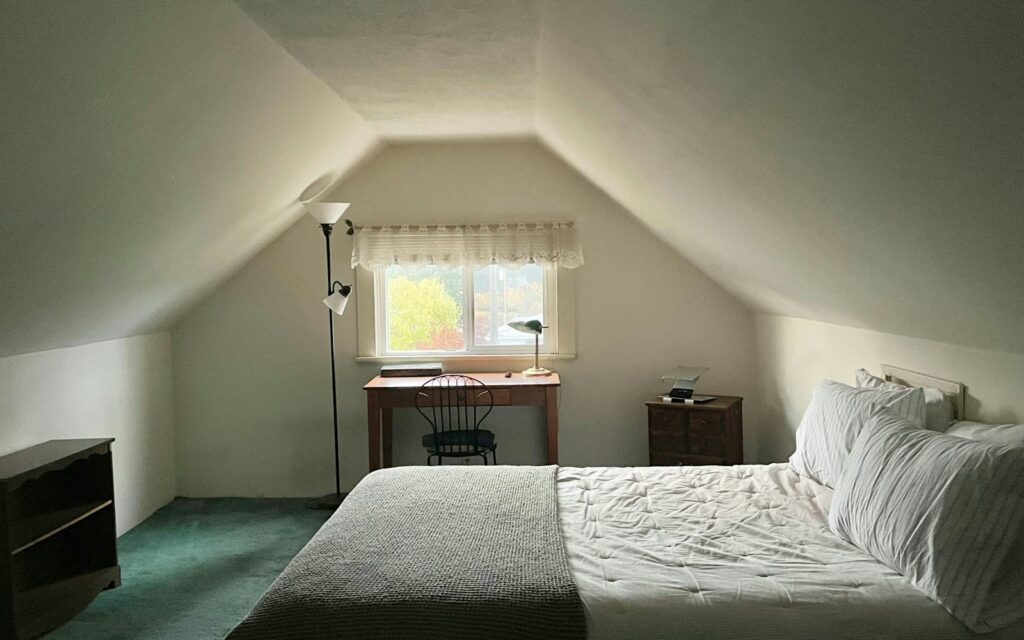 Count the nights the room really hosts, compare bed footprints before comfort, put storage on one wall behind a curtain, keep the window and door clear, leave guests half the closet and one drawer, and pack a single guest bin: a storage room that turns into a guest room in fifteen minutes, with a worked 10 by 11 foot example.