If one room is always cold or the furnace never seems to stop, warm air is probably escaping somewhere you don’t look. Windows get the blame, but many of the worst leaks hide in the attic, the basement, and behind the walls. Here’s where to look, how to tell if there’s a problem, and what you can fix yourself.
Affiliate disclosure: As an Amazon Associate I earn from qualifying purchases. Shopping links in this post open Amazon search results for a type of item, not a specific product we’ve tested.
1. The attic hatch or pull-down stairs
An attic hatch is often just a thin board sitting in a frame, with no seal and no insulation. Warm air rises straight through it. Add weatherstripping around the frame and glue a piece of rigid foam insulation to the top of the hatch. For pull-down stairs, an insulated attic stair cover works well. Attic stair covers on Amazon ↗
2. Thin attic insulation
Look across your attic floor. If you can see the tops of the joists, there likely isn’t enough insulation. Adding more is a bigger job, but it’s one of the more reliable upgrades for comfort. Get quotes and check your utility for rebates; our guide to cutting your bill without solar covers where to look.
3. Holes where pipes and wires go into the attic
Plumbing vents, wiring, and recessed lights all need holes through the ceiling, and those holes are often left open. Seal small gaps with caulk and larger ones with expanding foam. Don’t cover or pack insulation around recessed lights unless they’re rated for it (marked IC), and leave the required clearance around chimneys and flues; a contractor can seal those with proper fire-rated materials.
4. The rim joist in the basement
Where the house frame sits on the foundation, there’s a band of wood called the rim joist. In many basements it’s bare or loosely stuffed with fiberglass, and cold air seeps in. Sealing the gaps with caulk or foam, then adding rigid foam insulation, is a common DIY project.

5. Exterior doors
Check the weatherstripping on the sides and top, and the sweep at the bottom. If you can see daylight around a closed door, you’ve found a leak. Replacing weatherstripping and adding a door sweep are cheap, quick fixes. Door sweeps on Amazon ↗
6. Window frames and trim
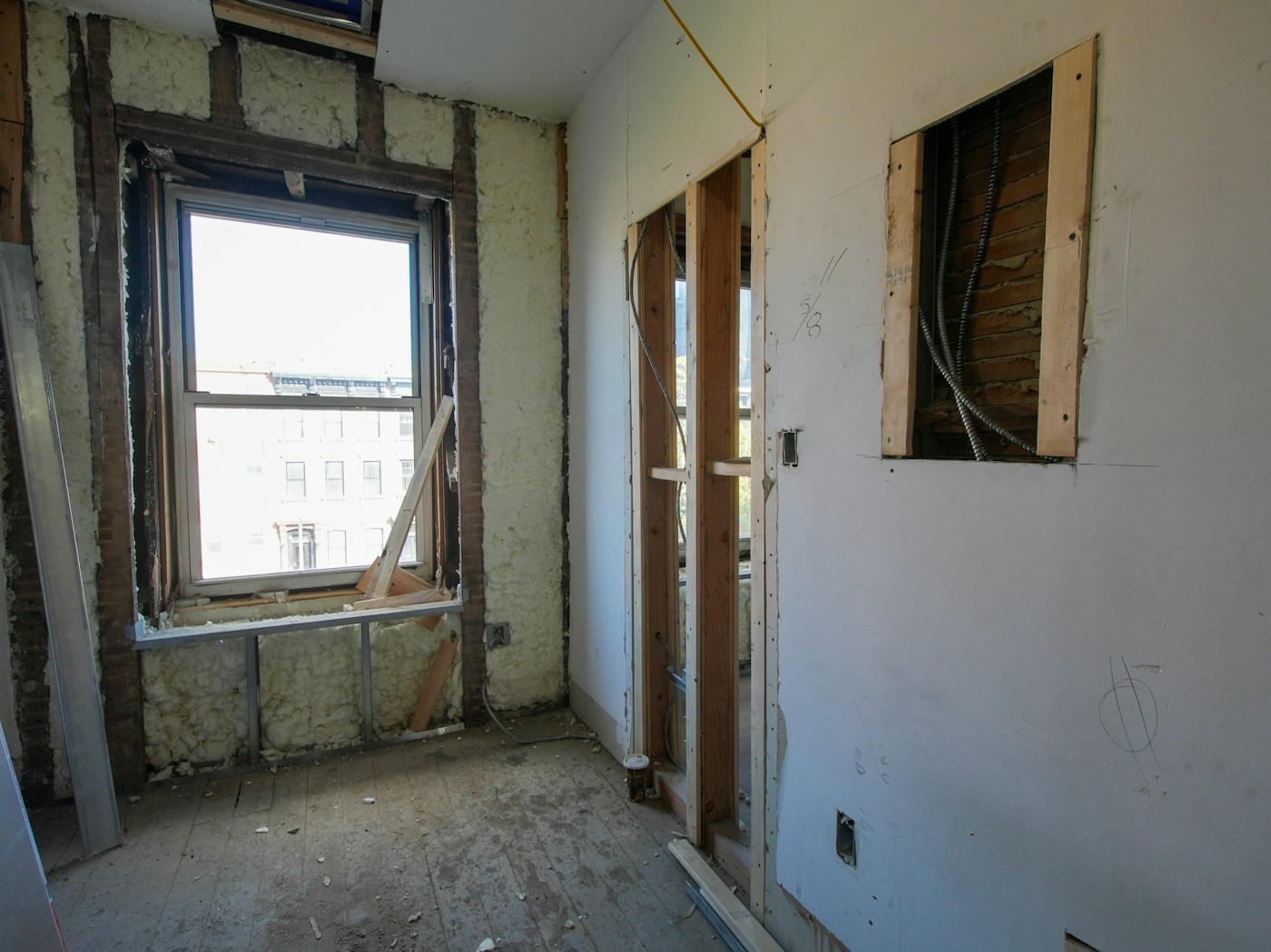
The glass is rarely the only problem. Air often leaks where the window frame meets the wall. Re-caulk the interior trim with paintable caulk, and use insulation film or heavy curtains on old windows for the winter.
7. Outlets and switches on exterior walls
Pop off a cover plate (with the circuit turned off) and you may find a gap straight into the wall cavity. Foam gaskets behind the cover plate are a cheap, two-minute fix. Outlet gaskets on Amazon ↗
8. The dryer vent and other exterior vents
The flap on a dryer or bathroom fan vent should close when the appliance is off. If it’s stuck open or broken, cold air pours in. Replace a damaged vent hood with one that closes properly, and keep the dryer duct clean. Never seal a vent shut.
9. Ducts in the attic, crawl space, or garage
Ducts that run through unheated spaces can leak warm air before it ever reaches your rooms. Look for disconnected joints or gaps and seal them with foil tape or duct mastic (not ordinary cloth duct tape). If ducts are hard to reach, an HVAC contractor can test and seal them.
Once the leaks are sealed, see 13 cheap ways to keep your house warmer this winter for the finishing touches.
Common questions
Which leak should I fix first?
Start with the attic hatch and any gaps into the attic, because warm air rises and escapes there fastest. Then move to the basement rim joist, exterior doors, and windows. Small, cheap fixes in those spots usually beat expensive projects elsewhere.
Is a professional energy audit worth it?
Often, yes, especially in an older home. An auditor can run a blower-door test that pressurizes the house and pinpoints leaks you’d never find with incense. Many utilities offer audits at low or no cost; check before you pay full price.
Can a house be sealed too tightly?
Homes need fresh air and properly vented fuel-burning appliances. Bathroom and kitchen exhaust fans should work, and after major air sealing a professional should check that a gas furnace, water heater, or fireplace still vents safely. Keep carbon monoxide alarms on every level.
What tools do I need for these fixes?
A caulk gun, paintable caulk, a can of low-expansion foam, weatherstripping, a door sweep, and foil tape cover most of this list. An inexpensive infrared thermometer makes finding cold spots much easier.
Related: Dryer vent warning signs

Keep reading
More ways to save at home
THE KINDRED JOURNAL
Latest from the journal
- Ideal Indoor Humidity in Winter: Find Your Number, Check Your Meter, Then Add Only What the Room Needs
 Aim for 30 to 50% and never humidify past 50%, let the windows set the limit on the coldest nights, salt-test your hygrometer before you trust it, seal drafts first because a whole bedroom needs only about 4½ ounces of water, and clean the tank on a schedule: a winter humidity guide with the math worked out.
- Toy Storage Ideas: 13 Ways to Make Room Before the Holiday Toy Wave
 Edit the toys before the gifts arrive, give each kind of play one open bin on an anchored low shelf, keep small parts and spare batteries out of a toddler’s reach, skip latching lids and rotate the extras: thirteen toy storage ideas for the weeks before and after the holidays.
- Best Gift Wrap Organizers: 5 Picks for a Closet Corner, Under the Bed or the Back of a Door
 An upright box that holds up to 32 long rolls, a 41.5-inch under-bed bag for big collections, a water-resistant zip bag, an over-the-door organizer and a slim canvas case for eight rolls: five gift wrap organizers matched to the space you can give them.
- Cord and Cable Storage: 13 Ideas for the Spare Chargers, Cables and Adapters Nobody Can Find
 Match every cable to a device you still own, keep a sensible number of spares by connector type, coil them loosely, label the mystery bricks, hang the extension cords and send old batteries and dead cables to a proper drop-off: thirteen ways to store spare cords so the right one turns up in seconds.
- Window Condensation in Winter: Find Which Side the Water Is On, Then Match Humidity to the Forecast
 Do the wipe test to tell room-side fog from a failed seal, check a hygrometer against the outdoor low, keep humidity at or under 40% above 20°F and 30% below 10°F, run the fans, open the curtains by day and dry wet sills the same morning: a window condensation guide with a worked cold-week example.
- How to Clean a Range Hood Filter Before Holiday Cooking: Know Your Filter Type, Then Put It on the Calendar
 Wash metal mesh and baffle filters in hot soapy water or the dishwasher, replace charcoal filters instead of rinsing them, never run the hood with the filter out, and clean the weekend before Thanksgiving and again before Christmas: a range hood filter guide with a worked holiday cleaning calendar.
- Drying Clothes Indoors in Winter: Where the Rack Goes, How Much Rail You Need and What It Saves
 One load gives off about 2 liters of water as it air-dries, so put the rack where that moisture can leave, keep it 3 feet from the space heater, count inches of rail before you buy, space and turn the heavy things, watch humidity and window condensation, and know what the dryer you’re skipping really costs: indoor drying with the math.
- Hat, Glove and Scarf Storage by the Door: One Bin Per Person, Sized to What They Actually Wear
 Keep a daily set plus one dry spare per person, size an open bin for each from a quick measurement, dry wet mittens before they go in, clip pairs together, hang woven scarves and fold knits, skip long scarves on the playground and wash wool before it’s sealed away: a hat and glove station with a worked bin-size example.
- Guest Room That Doubles as Storage: Pick the Bed by Floor Space, Keep the Window Clear
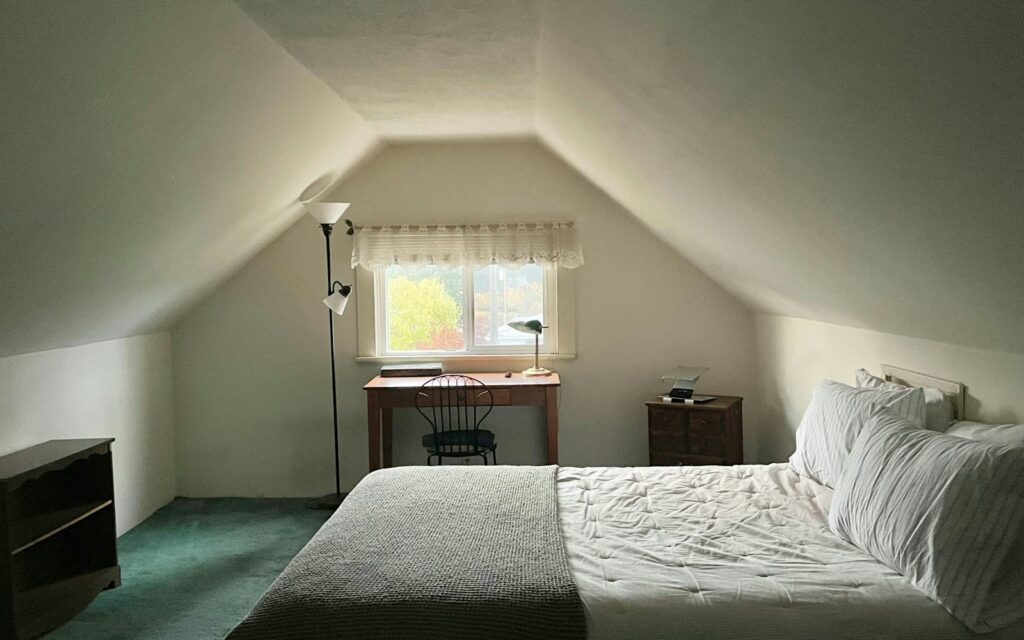 Count the nights the room really hosts, compare bed footprints before comfort, put storage on one wall behind a curtain, keep the window and door clear, leave guests half the closet and one drawer, and pack a single guest bin: a storage room that turns into a guest room in fifteen minutes, with a worked 10 by 11 foot example.