Here’s the quick answer: a winter car kit is about a dozen things, and most of them are already somewhere in your house. The National Weather Service checklist starts with a flashlight, blankets, warm clothes, a first aid kit, snacks, water, sand or kitty litter, a shovel, a phone charger, an ice scraper, jumper cables and something bright to make the car visible. The hard part is getting it into the car in a form that stays packed, doesn’t rattle around the trunk and is still useful in February. These twelve ideas cover what to pack, where each item should ride and how to keep the kit ready all winter.
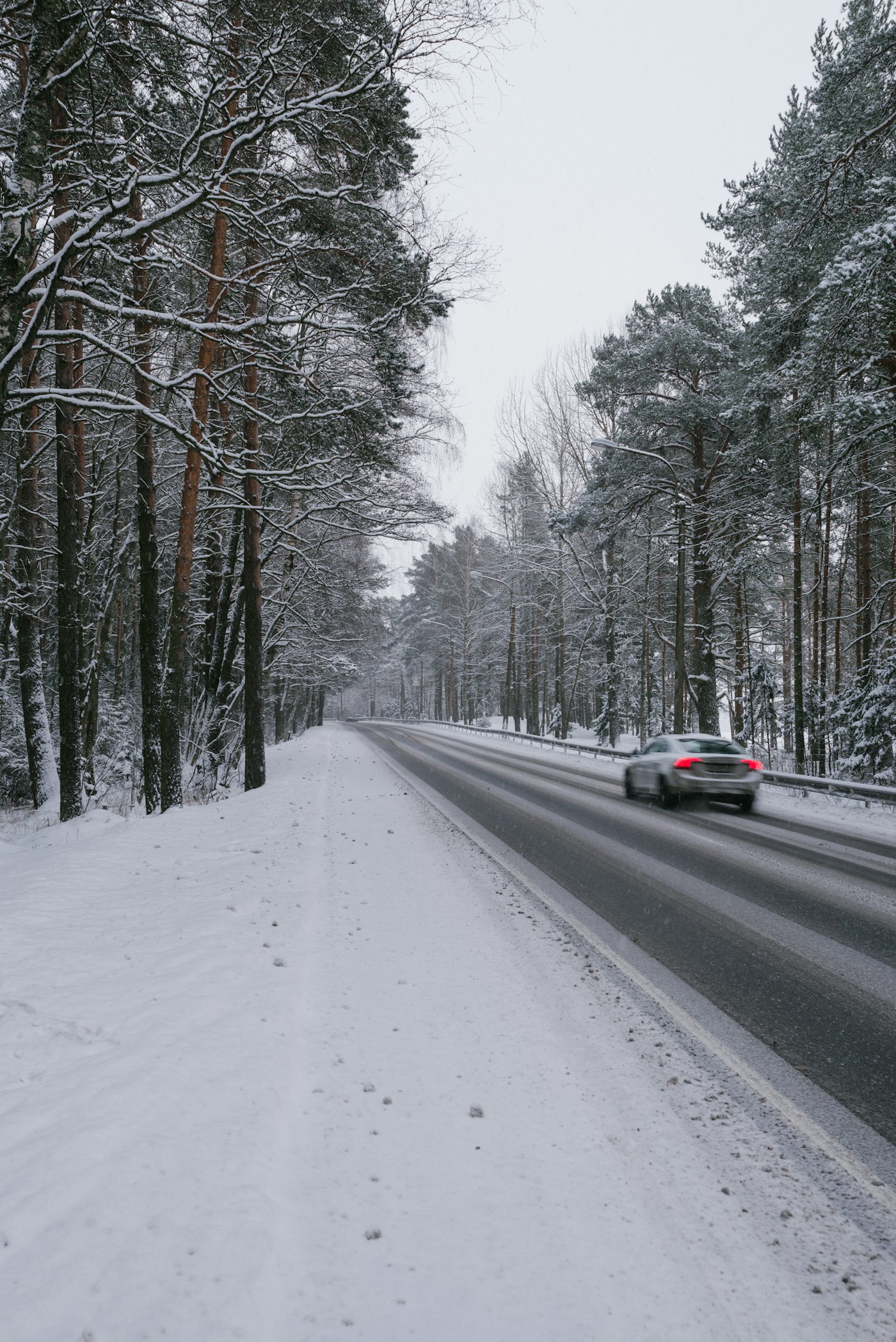
Pack the NWS basics into one lidded bin in the trunk, keep the things you need while sitting in a stuck car (blanket, flashlight, charger, snacks) in the cabin, and keep the scraper where you can reach it from the driver’s seat. Wedge or strap the bin so it can’t slide. Check it once a month, keep the gas tank closer to full, and know the stranded-car basics: stay with the car, keep the tailpipe clear and run the engine only in short stretches.
What to pack
1. Start with the official list, not a store-bought kit
Pre-made roadside kits often cover jumper cables and a few bandages but skip the things that matter in a snowstorm: warmth, food and traction. Use the National Weather Service winter car checklist as your base and fill in from it. A store kit can still be a fine starting point for the cables and first aid; just treat it as half the job.
Try it if you want a kit fast: buy a basic roadside set, then add the winter items below from your closets.
2. Warmth first: a blanket per seat you usually fill
The NWS list includes blankets or a sleeping bag plus extra clothing, hats, mittens, parkas and boots. A practical rule is one blanket for each seat you normally fill, plus a hat and a pair of gloves per person. Maine’s emergency management agency specifically mentions woolen items and blankets against frostbite and hypothermia. Old wool sweaters and the spare fleece throw from the hall closet are perfect; vacuum-pack them flat to save trunk space.
3. Boots and socks for the driver who wears office shoes
If you commute in sneakers or dress shoes, a pair of old winter boots and thick socks in the trunk means you can actually dig out or walk to a gas station. Put them in a plastic bag inside the bin so the rest of the kit stays dry when they come back in wet. Our winter boot drip zone covers where the wet pair goes once you’re home.
4. Traction: sand or kitty litter, plus a small shovel
Both the NWS and Ready.gov list sand or cat litter for traction; you spread it under the drive wheels when you’re stuck. A small bag is plenty. Pair it with a compact or collapsible snow shovel, which the NWS checklist also includes, so you can clear snow from around the tires and the tailpipe.
Skip it if you drive only short in-town trips with plowed roads; even then, keep the shovel.
5. Light and power: flashlight, spare batteries, phone charger
A flashlight with extra batteries and a phone with a car charger are both on the NWS list, and Ready.gov includes a car phone charger too. Choose a flashlight that takes the same battery size as something else in your house so spares are easy to replace. Keep a charging cable that fits every phone your family uses; our charging station ideas post covers getting the household cables sorted so a spare one can live in the car.
6. Be seen: reflective triangles or flares, and a bright cloth
The NWS checklist includes flares or triangles and other bright objects so other drivers can see you. Maine’s guidance adds hanging a brightly colored cloth from the antenna, and Massachusetts suggests tying one to the antenna or a door handle. A bandana in safety orange takes no room at all. Reflective triangles are reusable and fold flat; if you choose flares, store them in their packaging away from anything that could crush or puncture them.
7. Food, water and the small stuff
The NWS list calls for non-perishable food such as granola bars and nuts, plus bottled water. Connecticut’s checklist adds a whistle, cash, a basic tool kit, a utility knife, a tow rope and personal items like glasses. Pack snacks you’d actually eat, since you’ll be rotating them anyway. Prescription medicine is better carried with you than left in the kit: check the label’s storage temperature, because a car can get far colder or hotter than a medicine cabinet.
Where each thing rides
8. The trunk bin: everything heavy, in one lidded tote
Put the shovel blade, traction bag, jumper cables, boots, tool kit and spare blankets in one sturdy lidded tote. A lid keeps sand and road salt out of the blankets and stops small things from scattering. Wedge the bin against the back seat or strap it to the cargo hooks many trunks have, so it doesn’t slide during a hard stop. Before you buy a bin, measure your trunk floor and the opening, and leave room for groceries; a kit that takes the whole trunk is a kit that gets taken out and never goes back in.
9. The cabin: what you need while sitting in a stuck car
If you’re stranded, you’ll want warmth and light without opening the trunk in a blizzard. Keep one blanket, the flashlight, the phone charger, a few snack bars and the bright cloth inside the car: under a seat, in a seat-back pocket or in a small zip pouch. Keep anything heavy out of the cabin; it belongs in the trunk bin.
10. Within reach of the driver’s seat: the scraper and brush
An ice scraper with a brush is on the NWS list and Ready.gov’s, and it’s the item you’ll use most. Keep it in the door pocket or behind the driver’s seat, not in the trunk, so you can grab it from inside on a frozen morning. The brush also clears snow off the roof, which keeps it from sliding onto the windshield at the first stop.
| Location | What goes there | Why there |
|---|---|---|
| Driver’s door pocket | Ice scraper with brush | Used most mornings; reachable from the seat |
| Glovebox | Spare phone cable, small flashlight, whistle, cash, pen and paper | Small, light, needed from inside the car |
| Under a seat or seat pocket | One blanket, snack bars, bright orange cloth, hats and gloves in a zip pouch | Warmth and visibility without opening the trunk |
| Trunk bin (lidded, wedged or strapped) | Shovel, traction bag, jumper cables, spare blankets, boots, tool kit, triangles, first aid kit, water | Heavy or bulky; kept together and secured |
| With you, not in the car | Prescription medicine, glasses you need to drive | Temperature-sensitive or too important to leave behind |
Your split will depend on the car: a hatchback or SUV has no separate trunk, so securing the bin matters even more. Measure your space before you buy anything.
Keep it ready
11. A monthly check and a fuller gas tank
Once a month, when you fill up, open the bin and check the flashlight, swap any snacks past their date and make sure water bottles haven’t cracked in a freeze. Ready.gov notes that a full tank keeps the fuel line from freezing, and a fuller tank also buys you more engine time if you’re stuck. Many families make a habit of filling up whenever the gauge hits half from December through March.
12. Store the winter half in the garage the rest of the year
In spring, the boots, extra blankets, shovel and traction bag come out; the cables, first aid kit and triangles stay in the car year-round. Keep the winter items in one labeled bin on a garage shelf near the car door, so loading it back in November takes two minutes. Our winter-ready garage ideas and garage shelving comparison help you find that spot.
- Stay with the car. The NWS and Massachusetts both advise staying in the vehicle; walking in a storm is dangerous.
- Keep the tailpipe clear. Massachusetts says not to run the engine unless the exhaust pipe is free of snow; a blocked pipe can push carbon monoxide into the car.
- Run the engine in short stretches. The NWS suggests about 10 minutes each hour for heat, with a window cracked for fresh air.
- Make yourself visible. Turn on the dome light at night while the engine runs, tie a bright cloth to the antenna, and raise the hood once the snow stops (NWS, Maine).
- Before you drive after a storm, the CDC says to check that the tailpipe is clear of snow.
Your smoke and CO alarms at home matter just as much this time of year; our one-hour alarm audit covers those.
Affiliate disclosure: As an Amazon Associate I earn from qualifying purchases. The links below are Amazon searches, not specific products we’ve tested or recommend over others.
- Collapsible snow shovel for the car (Amazon search) ↗
- Ice scraper with snow brush (Amazon search) ↗
- Reflective warning triangles (Amazon search) ↗
- Trunk organizer with a lid (Amazon search) ↗
- Wool blanket for the car (Amazon search) ↗
Check the size against your trunk measurement before you buy a bin or organizer.
- Blanket for each seat you usually fill, plus hats and gloves.
- Spare boots and socks for whoever drives in office shoes.
- Sand or kitty litter and a compact snow shovel.
- Flashlight, spare batteries, phone cable and car charger.
- Reflective triangles or flares, and a bright cloth.
- Jumper cables, first aid kit, basic tools, tow rope.
- Snack bars and bottled water, checked monthly.
- Ice scraper with brush in the driver’s door pocket.
- Heavy items in one lidded bin, wedged or strapped in the trunk.
- Medicine and glasses carried with you, not left in the car.
- Gas tank kept closer to full through winter.
Is a pre-made emergency kit enough for winter?
Usually not on its own. Many roadside kits cover cables, a few tools and first aid, but the NWS winter list adds blankets, warm clothing, food, water, a shovel and traction material. Use the store kit as a base and add the winter items.
Should I leave bottled water in the car all winter?
Water is on the NWS checklist, but it can freeze in a cold car. Check the bottles during your monthly look, replace any that cracked, and keep a bottle or two in the cabin pouch on long trips so you’re not relying only on the trunk supply.
Sources: National Weather Service, Car Winter Survival Kit checklist · National Weather Service, Winter Safety · Ready.gov, Car Safety · CDC, Clear Snow from Tailpipes · Maine Emergency Management Agency, Stranded with your Vehicle · Mass.gov, In case you are stranded while driving in the winter · CT Prepares, Car Emergency Kit Checklist. General guidance; follow your vehicle owner’s manual and local emergency officials.
Keep reading
More guides for your space
THE KINDRED JOURNAL
Latest from the journal
- How to Clean a Range Hood Filter Before Holiday Cooking: Know Your Filter Type, Then Put It on the Calendar
 Wash metal mesh and baffle filters in hot soapy water or the dishwasher, replace charcoal filters instead of rinsing them, never run the hood with the filter out, and clean the weekend before Thanksgiving and again before Christmas: a range hood filter guide with a worked holiday cleaning calendar.
- Drying Clothes Indoors in Winter: Where the Rack Goes, How Much Rail You Need and What It Saves
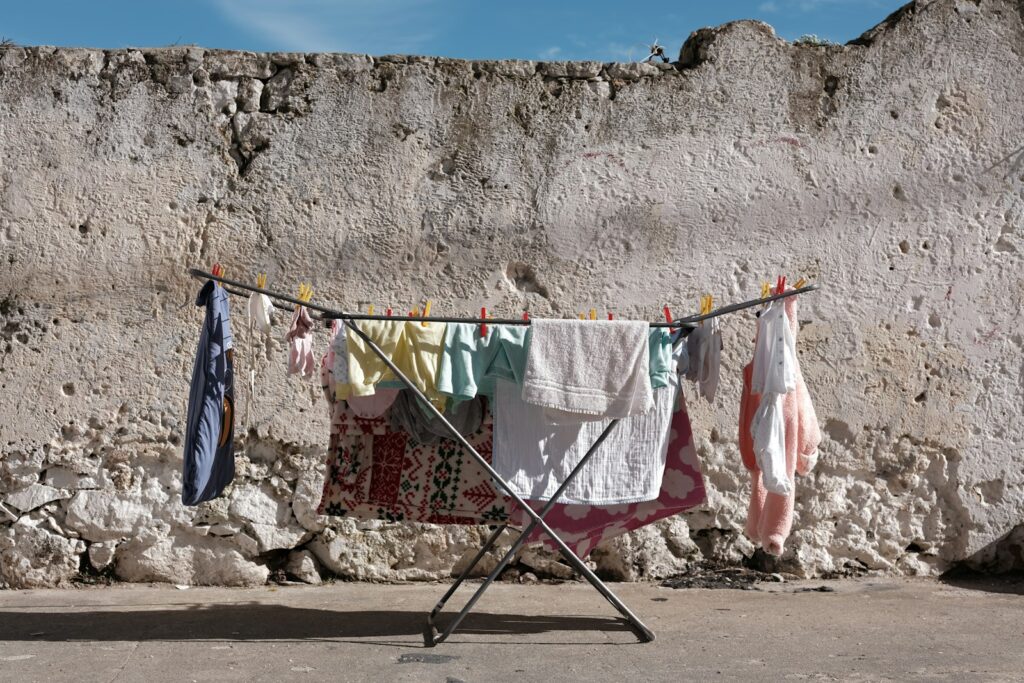 One load gives off about 2 liters of water as it air-dries, so put the rack where that moisture can leave, keep it 3 feet from the space heater, count inches of rail before you buy, space and turn the heavy things, watch humidity and window condensation, and know what the dryer you’re skipping really costs: indoor drying with the math.
- Hat, Glove and Scarf Storage by the Door: One Bin Per Person, Sized to What They Actually Wear
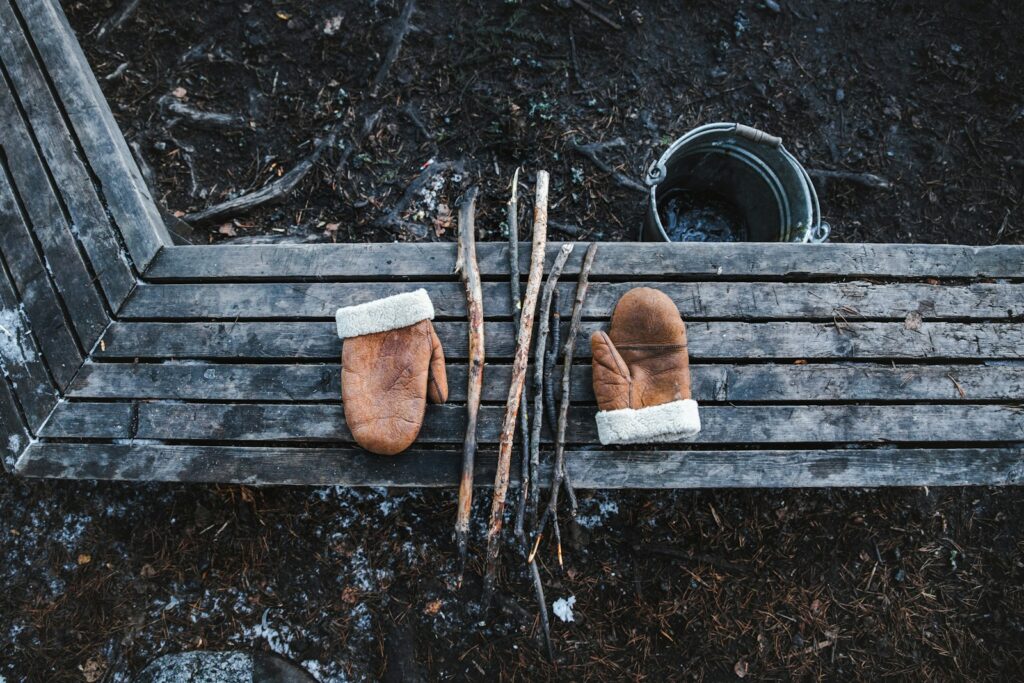 Keep a daily set plus one dry spare per person, size an open bin for each from a quick measurement, dry wet mittens before they go in, clip pairs together, hang woven scarves and fold knits, skip long scarves on the playground and wash wool before it’s sealed away: a hat and glove station with a worked bin-size example.
- Guest Room That Doubles as Storage: Pick the Bed by Floor Space, Keep the Window Clear
 Count the nights the room really hosts, compare bed footprints before comfort, put storage on one wall behind a curtain, keep the window and door clear, leave guests half the closet and one drawer, and pack a single guest bin: a storage room that turns into a guest room in fifteen minutes, with a worked 10 by 11 foot example.
- Dining Room Storage for Holiday Hosting: Measure the Walkway First, Then Fit the Sideboard
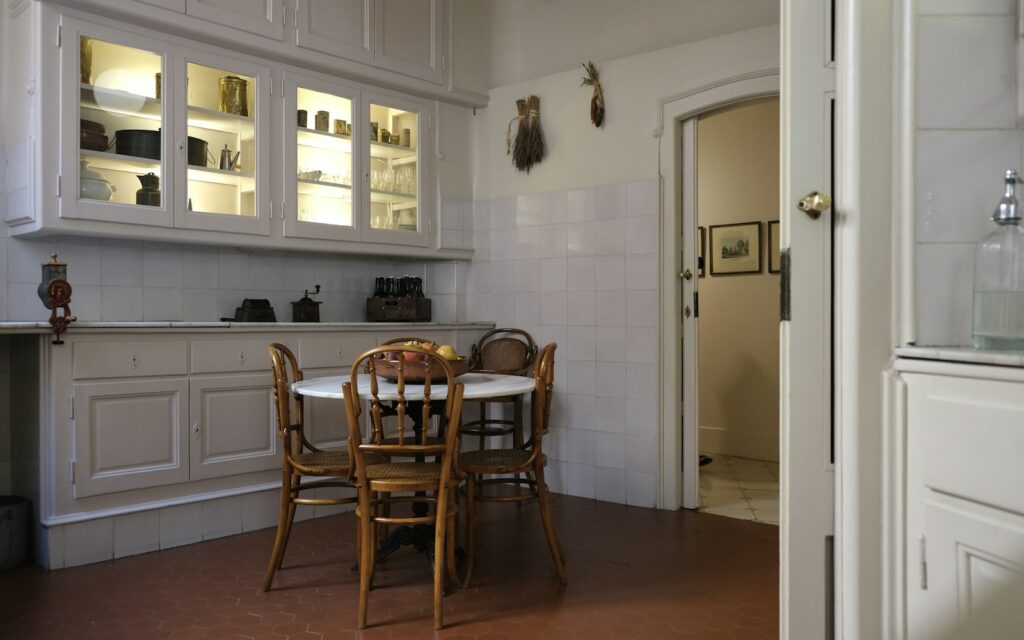 Measure the table with the leaf in, leave 44 inches where people walk and 32 where nobody passes, subtract the sideboard’s depth before you buy, anchor the hutch and give the leaf, extra chairs and holiday linens a home: dining room storage planned for the biggest night of the year, with a worked placement example.
- Winter Car Emergency Kit: 12 Things to Pack and Where Each One Should Ride
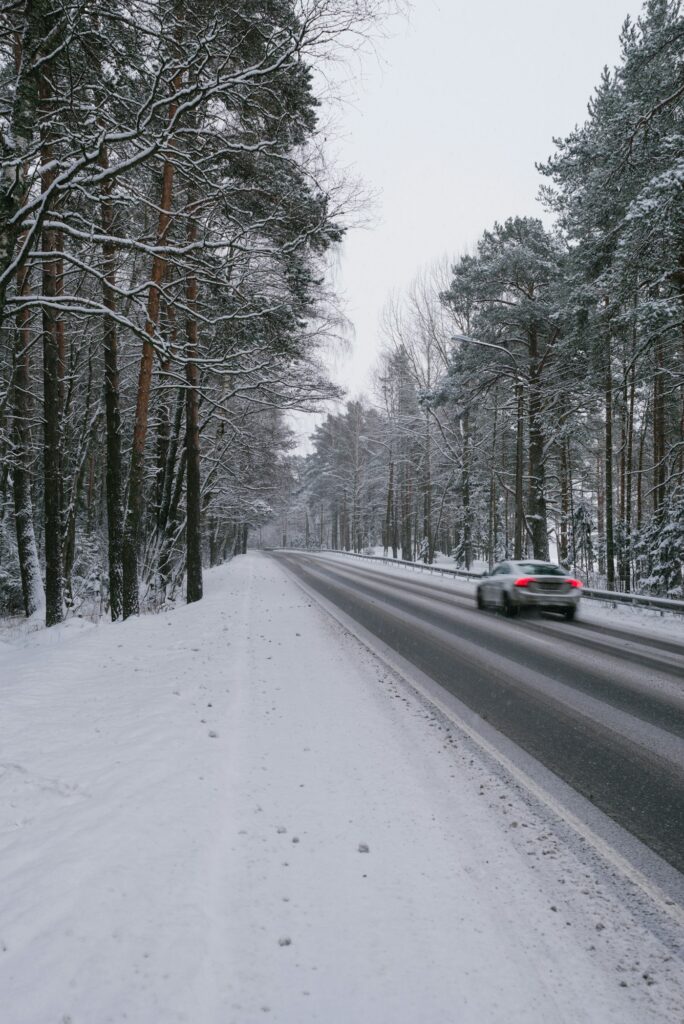 Start from the National Weather Service list, put the heavy gear in one strapped-down trunk bin, keep the blanket, light and charger in the cabin and the scraper in the door, and know the stranded-car basics: twelve ideas for a winter car kit that stays packed until February.
- Smoke and CO Alarms: A One-Hour Audit of Where They Go, How Old They Are and What to Replace
 Put a smoke alarm in every bedroom, outside each sleeping area and on every level, add CO alarms outside sleeping areas, keep them 10 feet from the stove, read the date on the back and replace anything 10 years old: a one-hour alarm audit, with a worked two-story example.
- Winter Home Maintenance Checklist: Do the Safety Jobs First, Then the Water, Then the Savings
 Book the furnace and chimney check, clear 3 feet around every heat source, mark the outdoor vents before snow buries them, work out how many gallons each downspout carries and extend the heavy ones: a winter maintenance checklist sorted by what happens if you skip it.
- Blanket Storage Ideas for the Living Room: 12 Ways to Keep Throws Handy (and Off the Floor)
 Keep one throw per sitter in an open basket, move the extras behind a lid, measure a folded throw before you buy, keep every blanket 3 feet from the fireplace and check that chest lids can’t latch: twelve blanket storage ideas for the living room, with a basket-fit example.