In a small apartment, the problem is rarely that you own too much. It’s that every bin, rack and plastic drawer is on display, so the whole place starts to feel like a stockroom. The fix is storage that pulls double duty as furniture, or hides in places nobody looks. Here are fifteen of the best, with notes on who each one suits and who should skip it.
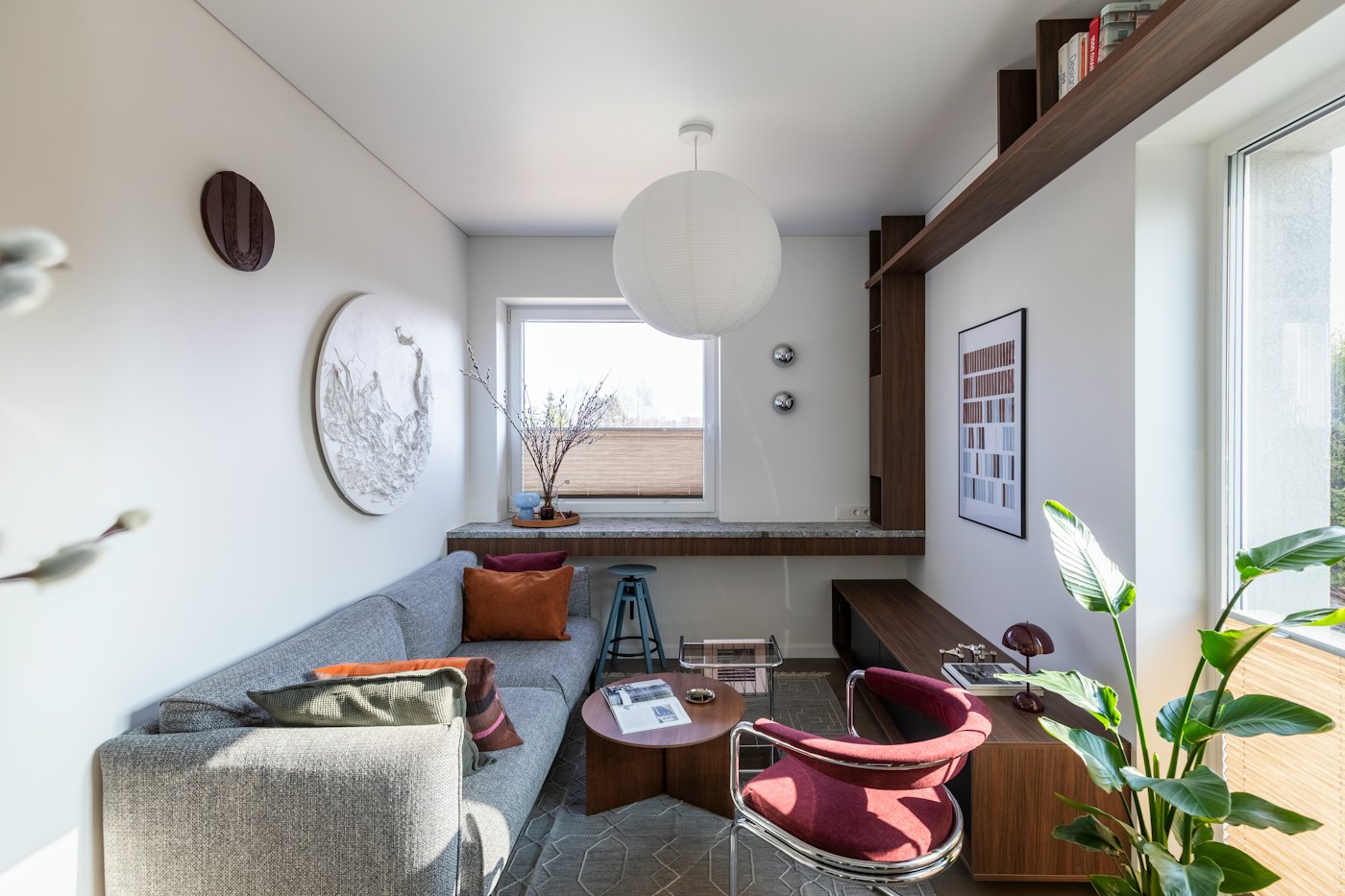
Pick the one spot that collects the most clutter, usually the entry, the sofa or the bedroom floor, and try one idea there first. Ideas 1, 2, 7 and 15 need no tools and work for renters.
Living room
1. Swap the coffee table for a storage ottoman
A lidded ottoman holds throws, board games or the remote clutter, and it still works as a footrest and an extra seat when friends come over. Choose one with a hinged lid that stays open on its own so it doesn’t snap shut on fingers.
Try it if your coffee table is a magnet for piles. Skip it if you need a hard, flat surface for eating on the sofa.
2. Put a slim console behind the sofa
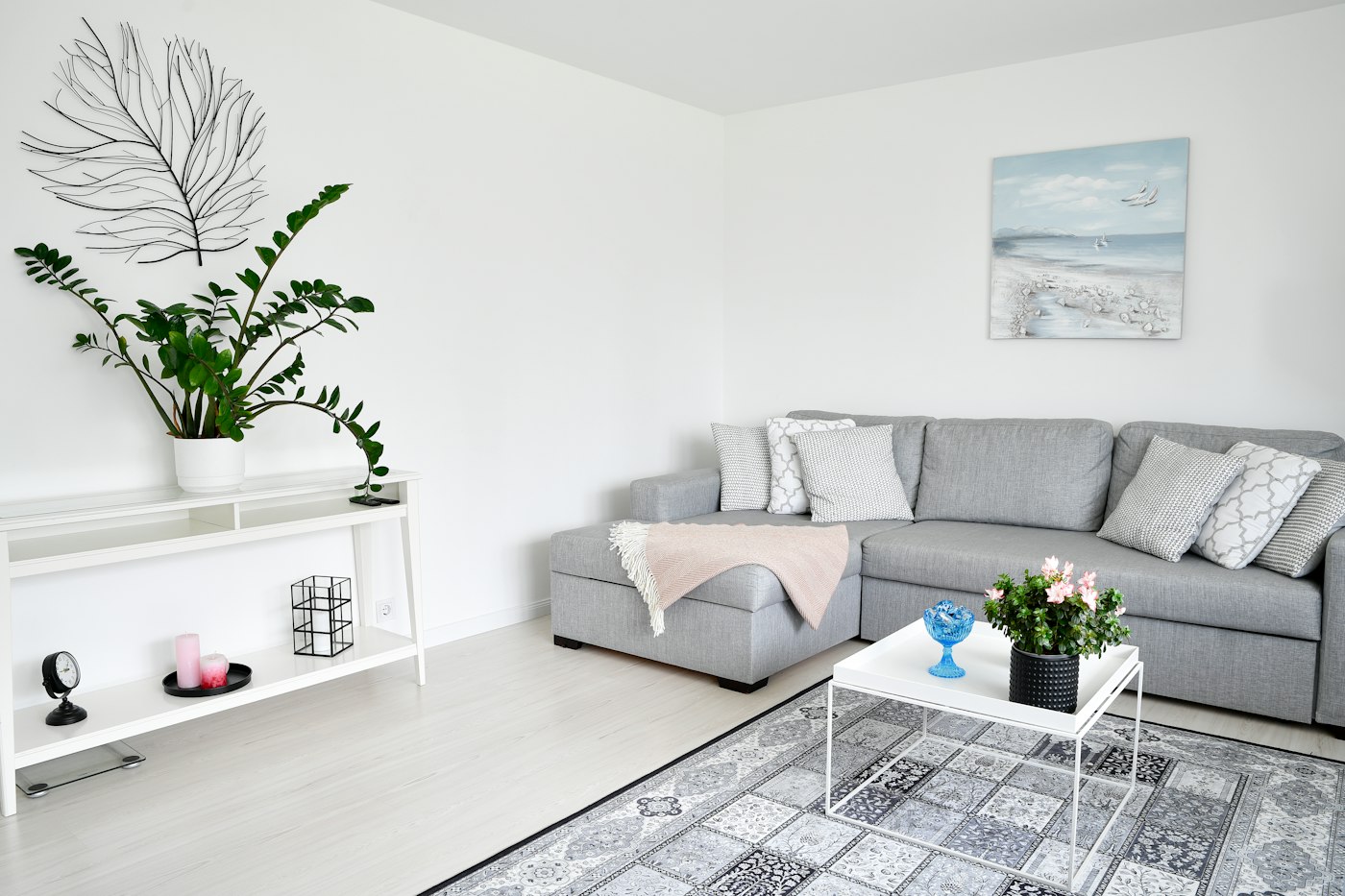
If your sofa floats in the room, the strip of floor behind it is free real estate. A narrow console table with two or three matching baskets underneath hides chargers, mail and kids’ books, and the top holds a lamp so you don’t need a side table.
Try it if the sofa sits away from the wall. Skip it if the sofa backs onto a walkway narrower than about 36 inches.
3. Choose a media console with doors
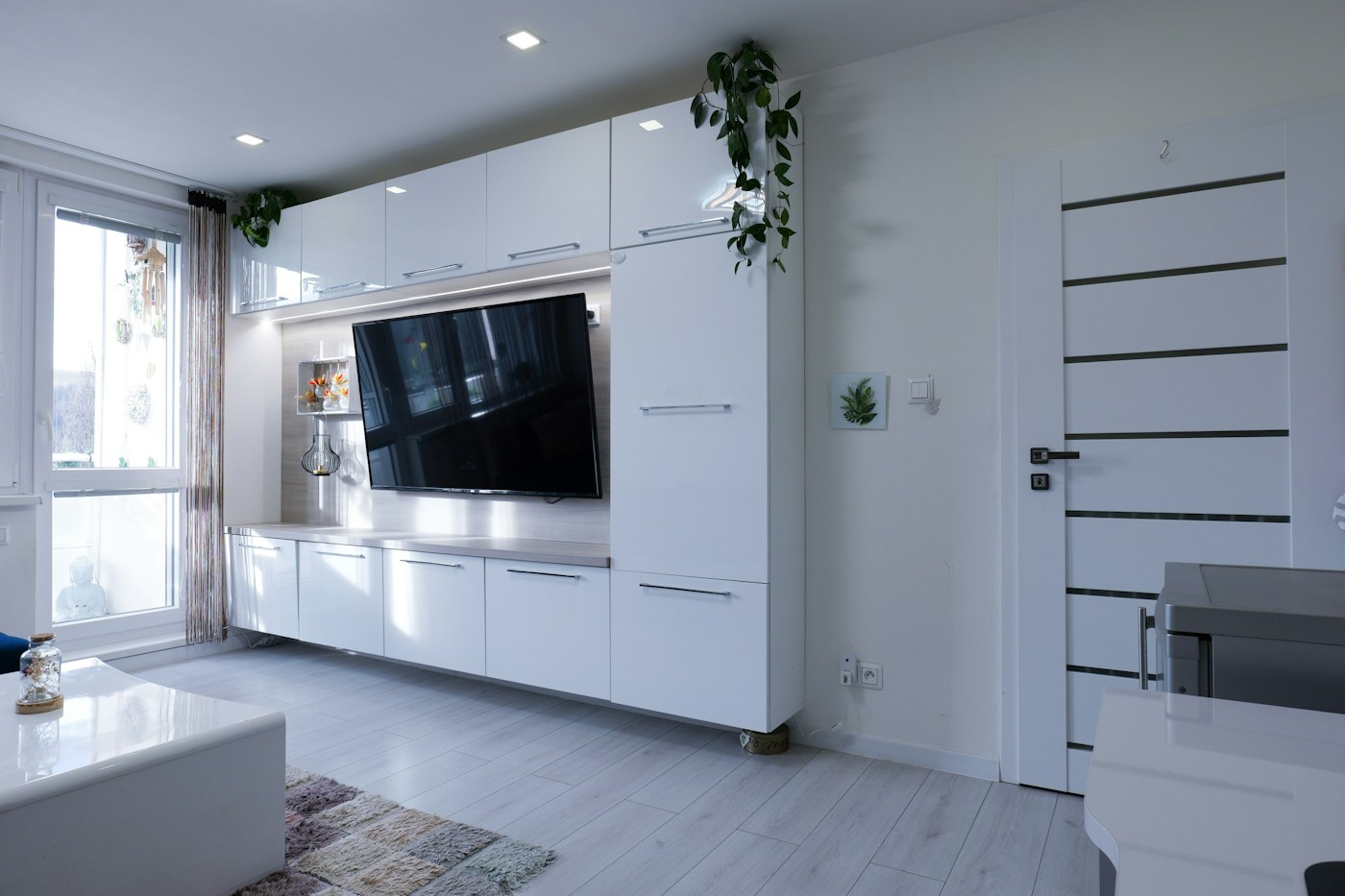
An open TV stand shows every cable box, controller and game case. One with doors or drop-front panels hides them in seconds. Look for a back panel with cable cut-outs so the electronics can still breathe and plug in.
Whatever stand you use, secure the TV and any tall furniture to the wall. The CPSC’s Anchor It campaign explains how and why, especially in homes with young children.
4. Use the top band of the wall
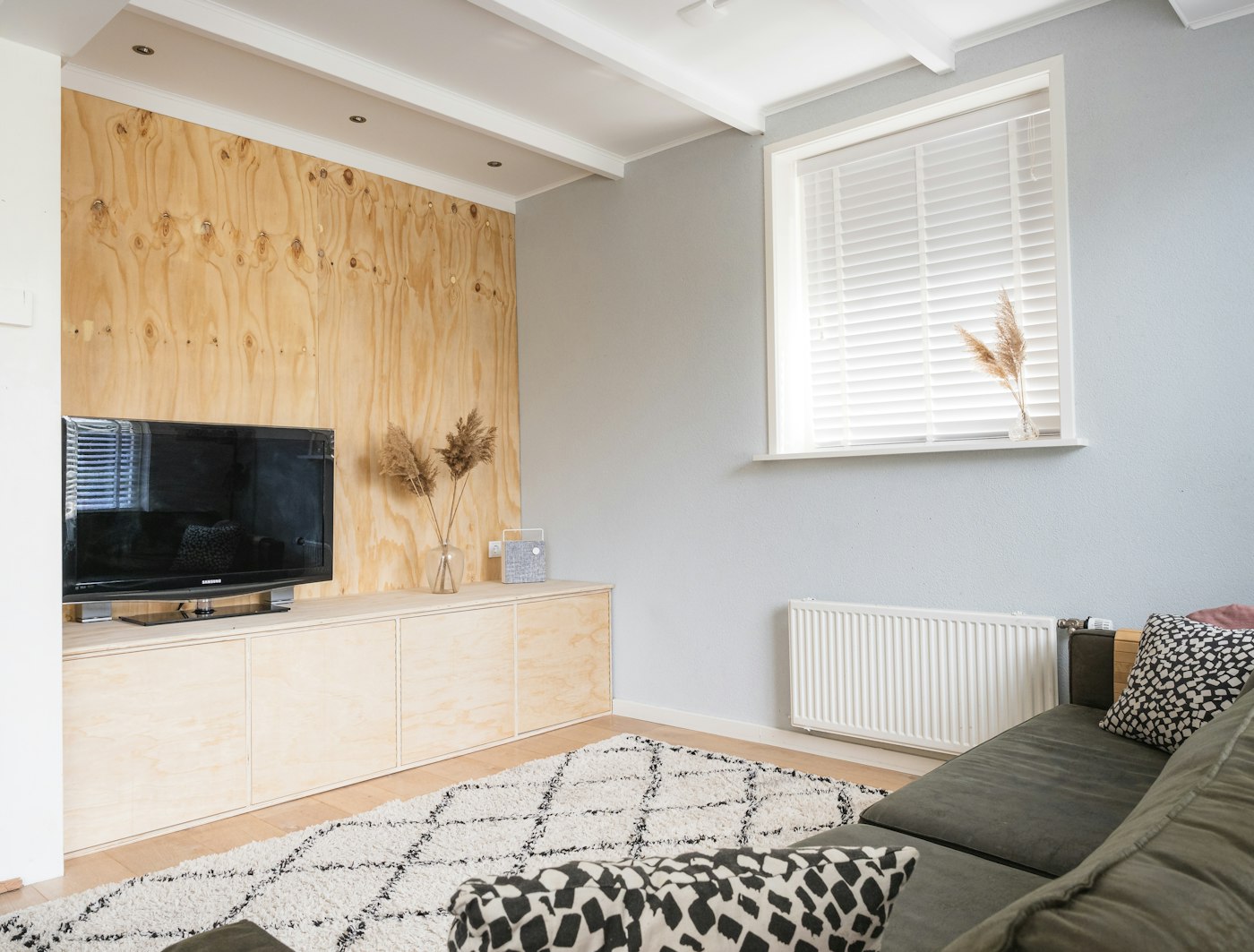
The space between the top of a door frame and the ceiling is almost always empty. One long shelf up there holds books, keepsakes or extra bedding in matching boxes, and it reads as decoration rather than storage.
Try it if you own and can drill into studs. Skip it if your lease forbids wall anchors, and keep anything heavy or breakable off high shelves.
5. Line shelves with the same lidded basket
Open shelves look messy when every item is visible. A row of identical lidded baskets or fabric bins makes the same shelf look calm, because your eye reads one repeated shape instead of fifty small things. Label the front so you can find things without opening every one.
Bedroom
6. Raise the bed just enough
Bed risers or a bed frame with more clearance can turn dead floor space into room for low bins or rolling drawers. Measure the clearance first: our under-bed storage guide walks through the numbers and the stability checks.
Skip it if your bed frame isn’t designed for risers or already sits close to its height limit.
7. Pick nightstands with drawers
A table with legs and nothing else holds a lamp and a phone. A nightstand with two drawers holds chargers, books, medicines and the things that otherwise end up on the floor. Same footprint, twice the storage.
8. Double the hanging space in the closet
If most of what you hang is shirts, jackets and folded trousers, a second rod hung below the first can roughly double your hanging space without touching the walls. Keep one section single-height for dresses and long coats.
See also our closet reset guide for clearing out first, so you’re not doubling space for clothes you don’t wear.
Kitchen
9. Fill the gap beside the fridge
Many kitchens have a gap of a few inches between the fridge and the wall or cabinet. A slim rolling cart made for that gap holds oils, spices or cans. Measure the gap’s width and depth, and leave room for the fridge to vent as its manual specifies.
10. Hang pans and utensils on a rail
A wall rail with S-hooks frees a whole cabinet from pots, pans and ladles, and a row of good-looking pans can be a feature rather than clutter. In a rental, a freestanding rack or the inside of a pantry door can do the same job.
11. Store sheet pans and cutting boards on their edge
Flat-stacked baking sheets and boards waste height and are a pain to pull out. A file-style organizer or tension rods inside a cabinet lets them stand upright, so you can grab one without lifting the rest.
12. Use the back of the pantry door
An over-the-door rack turns a blank door into shelves for snacks, spices and wraps. Check door thickness, the gap at the top and the shelf clearance before buying: our over-the-door rack fit guide covers what to measure.
Entry and bathroom
13. Give the door a landing zone
A row of wall hooks plus a slim, shallow shoe cabinet stops coats and shoes from spreading across the floor. Shallow shoe cabinets that tilt out take very little depth, which suits a narrow entry. More ideas in our small entryway guide.
14. Stack over the toilet, without drilling
A freestanding over-the-toilet shelf unit adds two or three shelves to a bathroom with no medicine cabinet. Look for one with adjustable feet and an anti-tip strap. Our renter-friendly bathroom guide has the measurements.
15. Give each person one landing basket
The fastest reset in a small home: one basket per person, near the door or the sofa. Anything left lying around goes in its owner’s basket, and each person empties their own once a day. It won’t solve storage, but it stops the daily drift.
Quick picks by situation
| Your situation | Start with |
|---|---|
| Renting, no drilling | 1, 2, 7, 11, 14, 15 |
| Living room clutter | 1, 3, 5 |
| Not enough closet | 6, 8 |
| Tiny kitchen | 9, 10, 11, 12 |
| Kids at home | 3 (with anchoring), 5, 15 |
Compare the pieces
Affiliate disclosure: As an Amazon Associate I earn from qualifying purchases. These links open Amazon search results for the item types above, not recommendations for a specific model. Measure your space before buying.
Furniture and TV tip-over guidance: CPSC Anchor It. Ideas are general guidance, not a hands-on product test. See our editorial policy.

Keep reading
More guides for your space
THE KINDRED JOURNAL
Latest from the journal
- Ideal Indoor Humidity in Winter: Find Your Number, Check Your Meter, Then Add Only What the Room Needs
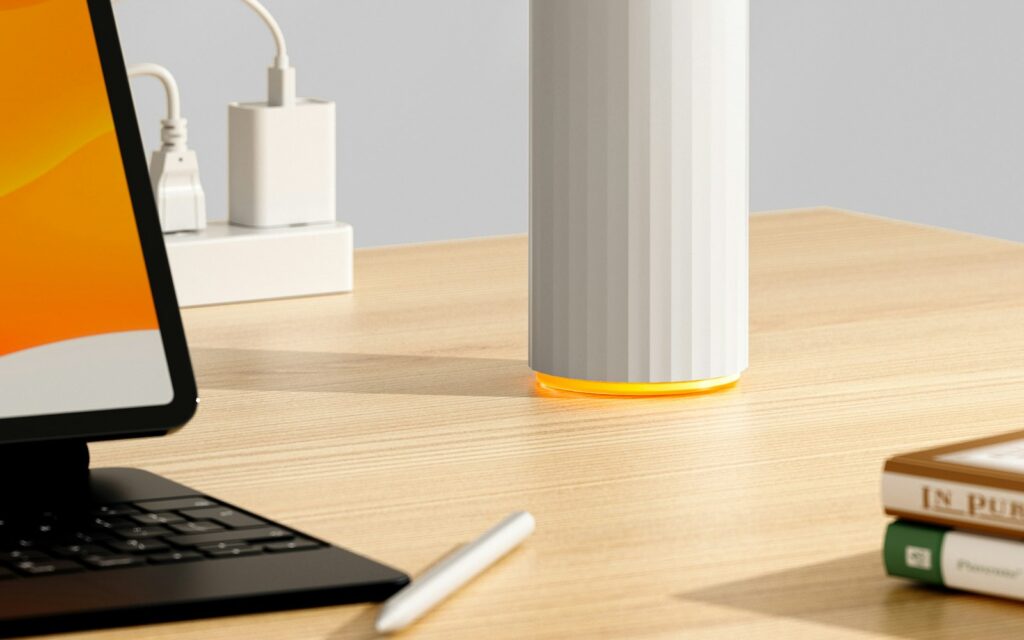 Aim for 30 to 50% and never humidify past 50%, let the windows set the limit on the coldest nights, salt-test your hygrometer before you trust it, seal drafts first because a whole bedroom needs only about 4½ ounces of water, and clean the tank on a schedule: a winter humidity guide with the math worked out.
- Toy Storage Ideas: 13 Ways to Make Room Before the Holiday Toy Wave
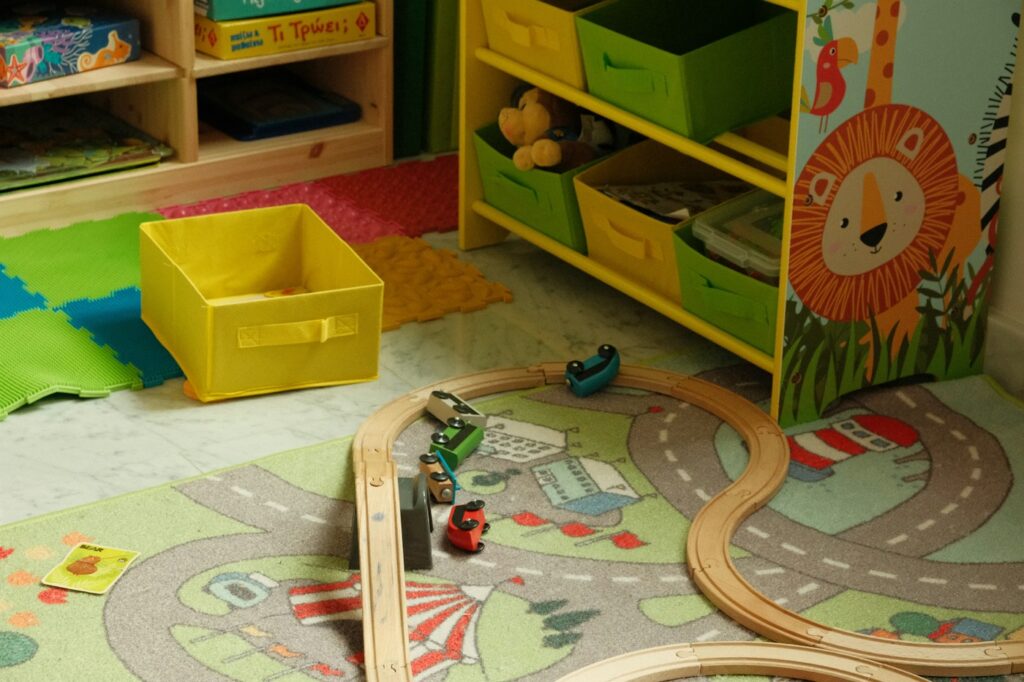 Edit the toys before the gifts arrive, give each kind of play one open bin on an anchored low shelf, keep small parts and spare batteries out of a toddler’s reach, skip latching lids and rotate the extras: thirteen toy storage ideas for the weeks before and after the holidays.
- Best Gift Wrap Organizers: 5 Picks for a Closet Corner, Under the Bed or the Back of a Door
 An upright box that holds up to 32 long rolls, a 41.5-inch under-bed bag for big collections, a water-resistant zip bag, an over-the-door organizer and a slim canvas case for eight rolls: five gift wrap organizers matched to the space you can give them.
- Cord and Cable Storage: 13 Ideas for the Spare Chargers, Cables and Adapters Nobody Can Find
 Match every cable to a device you still own, keep a sensible number of spares by connector type, coil them loosely, label the mystery bricks, hang the extension cords and send old batteries and dead cables to a proper drop-off: thirteen ways to store spare cords so the right one turns up in seconds.
- Window Condensation in Winter: Find Which Side the Water Is On, Then Match Humidity to the Forecast
 Do the wipe test to tell room-side fog from a failed seal, check a hygrometer against the outdoor low, keep humidity at or under 40% above 20°F and 30% below 10°F, run the fans, open the curtains by day and dry wet sills the same morning: a window condensation guide with a worked cold-week example.
- How to Clean a Range Hood Filter Before Holiday Cooking: Know Your Filter Type, Then Put It on the Calendar
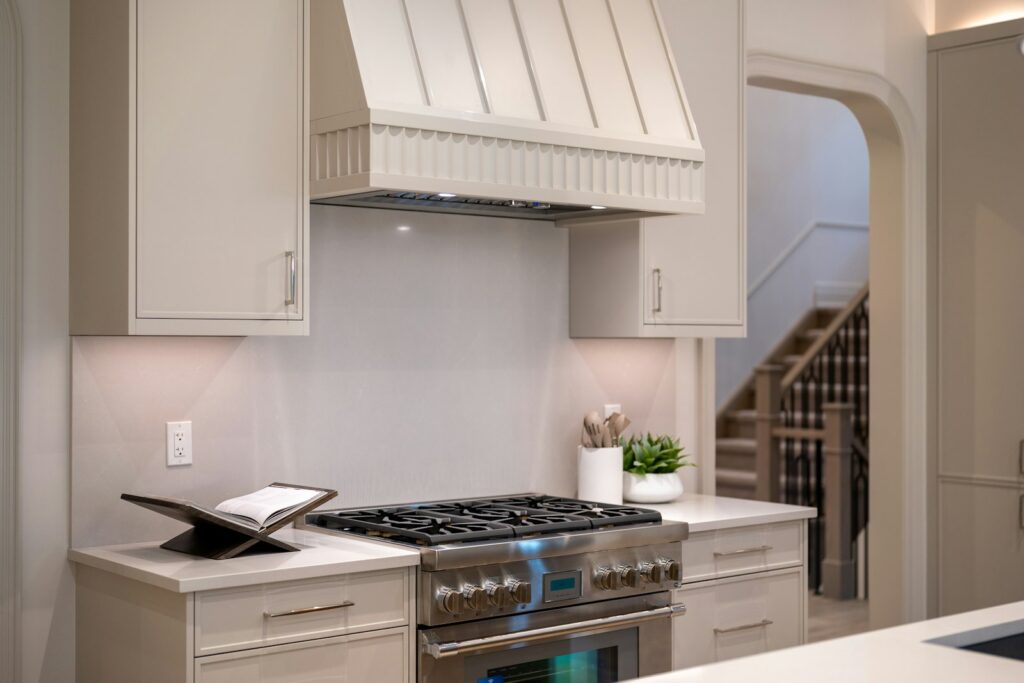 Wash metal mesh and baffle filters in hot soapy water or the dishwasher, replace charcoal filters instead of rinsing them, never run the hood with the filter out, and clean the weekend before Thanksgiving and again before Christmas: a range hood filter guide with a worked holiday cleaning calendar.
- Drying Clothes Indoors in Winter: Where the Rack Goes, How Much Rail You Need and What It Saves
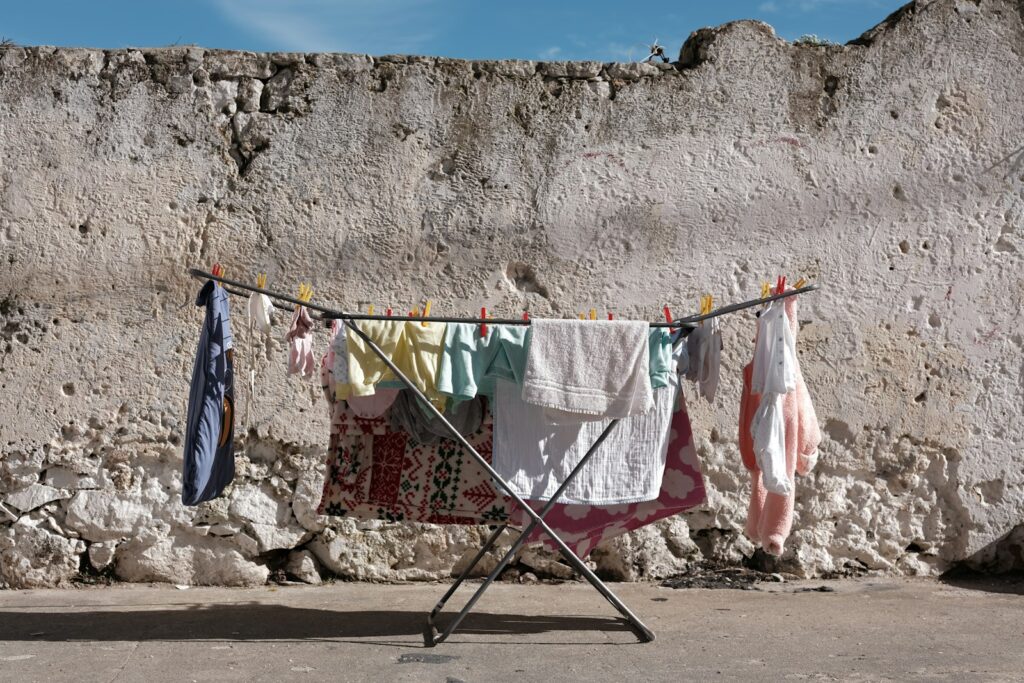 One load gives off about 2 liters of water as it air-dries, so put the rack where that moisture can leave, keep it 3 feet from the space heater, count inches of rail before you buy, space and turn the heavy things, watch humidity and window condensation, and know what the dryer you’re skipping really costs: indoor drying with the math.
- Hat, Glove and Scarf Storage by the Door: One Bin Per Person, Sized to What They Actually Wear
 Keep a daily set plus one dry spare per person, size an open bin for each from a quick measurement, dry wet mittens before they go in, clip pairs together, hang woven scarves and fold knits, skip long scarves on the playground and wash wool before it’s sealed away: a hat and glove station with a worked bin-size example.
- Guest Room That Doubles as Storage: Pick the Bed by Floor Space, Keep the Window Clear
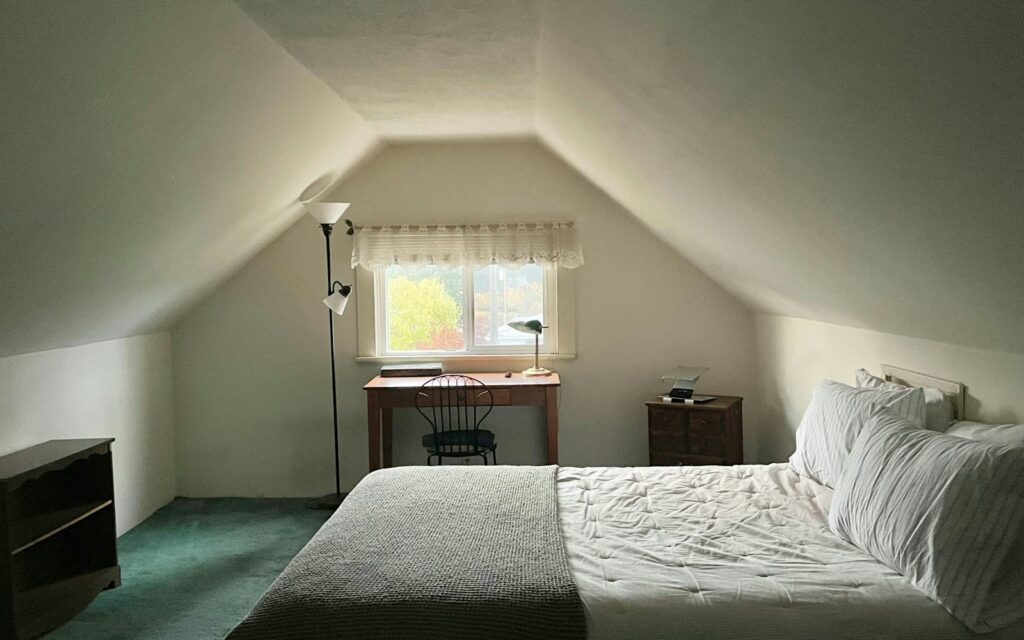 Count the nights the room really hosts, compare bed footprints before comfort, put storage on one wall behind a curtain, keep the window and door clear, leave guests half the closet and one drawer, and pack a single guest bin: a storage room that turns into a guest room in fifteen minutes, with a worked 10 by 11 foot example.