The most common winter entryway mistake is a tidy one: a neat row of boots lined up on the bare floor right inside the door. By evening, the snow has melted into a puddle that spreads under the mat, the salt has dried into a white crust on the floorboards, and the next person in steps right into it. Winter boots need more than a spot. They need a place to drip, a place to dry and a plan for the gloves and hats that come in with them. Here’s how to set that up in an afternoon, in an entry of almost any size.

Divide the entry into three zones: drip (a lipped tray for wet boots), dry (hooks or a rack for gloves, hats and liners) and store (shoes not in use today, somewhere else). Size the tray to the boots in daily use, not every boot you own. Keep wet gear and boot dryers well away from space heaters, and keep a clear walking path past it all.
Step 1: Count the boots that are actually in use
Walk through a normal winter weekday and count the pairs that come through the door wet: each person’s daily boots, plus any that go out for a dog walk or shoveling. That number, not the total in the closet, sets the size of your drip zone. Dress shoes, sneakers and the backup snow boots go to the closet or a shoe rack; our small closet shoe storage guide covers where.
Then measure one pair of each person’s boots standing side by side: width across both boots, and length heel to toe. Kids’ boots are much smaller than adults’, and tall boots that flop over take more length than their soles suggest.
Step 2: Choose the drip zone
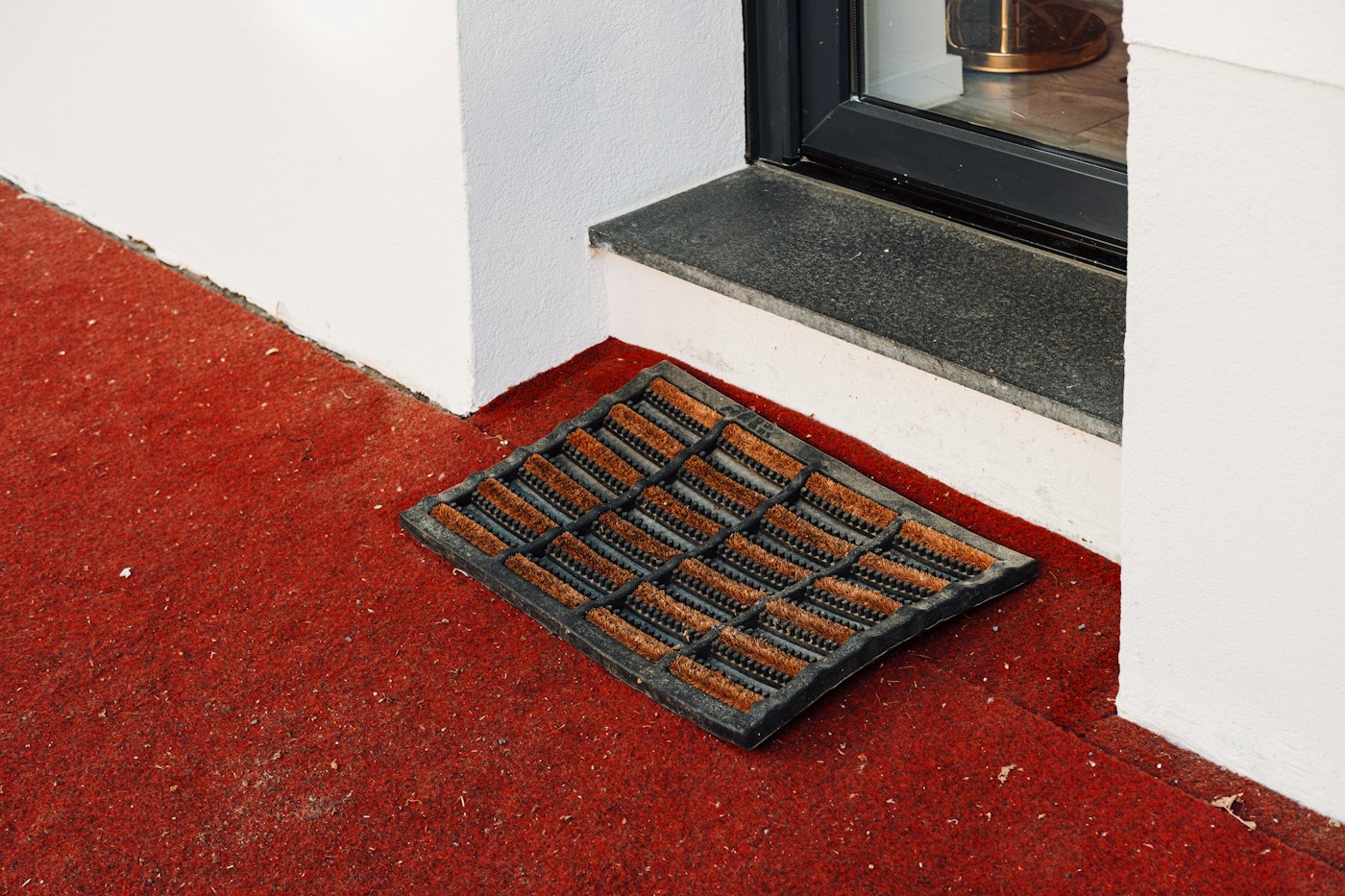
A boot tray with a raised lip is the core piece. It holds meltwater and grit in one place you can carry to the sink, instead of letting it soak into a mat or the floor. Three common styles:
| Style | Good for | Watch out for |
|---|---|---|
| Plain plastic or rubber tray with a lip | Most homes; easy to rinse | Boots sit in their own meltwater until it’s emptied |
| Tray with a rack or stones on top | Heavy snow; boots sit above the water | Taller, so check it fits under a bench or by the door swing |
| Absorbent boot mat with a rubber back | Light snow, small entries | Holds water and salt; needs regular drying and washing |
Before buying, check the listed outside dimensions against the floor space you have, including the arc your front door makes when it opens. A tray that stops the door from opening fully gets kicked aside within a week.
Step 3: Put the tray where the walking path stays clear
The drip zone should sit to one side of the door, not in front of it. Aim to keep a clear path from the door into the house; about 36 inches is a common target for a comfortable walkway, though a narrow hall may not allow it. Put an absorbent mat with a non-slip backing where people actually step in, so shoes are wiped before they reach the tray. Wet floors are slippery, so if water regularly escapes the tray, the tray is too small or needs emptying more often.
Try it if you have a bench: a tray tucked under the bench keeps boots off the walkway, and the bench gives everyone a place to sit and pull them off. Measure the height under the bench against your tallest boots first.
Step 4: Give gloves, hats and liners a drying spot
Wet gloves dropped in a basket stay wet until morning. Instead, give each person one or two hooks above or beside the tray, at their own reach height, for a hat and a pair of gloves. Clip-style hangers or a short row of pegs let gloves hang open so air gets inside. Removable boot liners dry faster outside the boot; stand them upright next to their boots or hang them by their pull tabs.
For a small entry, an over-the-door hook rack on a nearby closet door works as the drying zone. Our coat closet guide covers how much rod space each winter coat really takes, which tells you whether the coats fit in the closet or need hooks too.

Step 5: Dry boots safely
It’s tempting to park soaked boots next to a space heater or on a heat register. Keep them back. The U.S. Fire Administration advises keeping anything that can burn, including clothing, at least 3 feet from a space heater, and plugging portable heaters directly into the wall, never into an extension cord or power strip. Wet gear left draped on or beside a heater is exactly the kind of thing that rule is about.
- Stuff and swap: crumpled newspaper or a dry towel inside a soaked boot draws out moisture; swap it after an hour or two.
- Open them up: loosen laces and pull the tongue forward so air reaches the inside.
- Boot dryers: if you use an electric boot dryer, follow its manual, keep it on a hard surface and away from the walkway so nobody trips on the cord.
- Leather boots: check the maker’s care instructions; direct heat can damage leather.
Step 6: Deal with road salt
Salt and de-icer residue is what makes a winter entry look grimy even when it’s dry. Empty and rinse the tray whenever it holds standing water, and at least once a week in a snowy stretch. Wipe salt off boots with a damp cloth before it dries into a crust, and follow the boot maker’s care instructions for anything beyond that. Shake out or wash the entry mat on the same day you rinse the tray, so the routine is one job, not two.
Step 7: Plan for holiday guests
Thanksgiving and December visits can double the boots at your door in an evening. Keep a second, smaller tray or an old baking sheet lined with a towel in the coat closet, and set it out when guests arrive. Tell guests where boots go as they come in; most people are glad to have a spot. Our guide to making room for holiday guests covers coats and bags too.
- Daily-use boots counted and measured.
- Lipped tray to one side of the door, clear of the door swing.
- Non-slip, absorbent mat where people step in.
- One or two hooks per person for gloves and hats.
- Everything at least 3 feet from any space heater.
- A spare tray in the closet for guests.
- Tray rinse and mat wash on the same weekly day.
Pieces to compare
Affiliate disclosure: As an Amazon Associate I earn from qualifying purchases. These are Amazon searches for the types of pieces in this guide, not recommendations for a specific model. Check outside dimensions against your floor space before you buy.
Questions
Should boots go in the closet when they’re wet?
Not straight away. A closed closet holds moisture, so let boots drip and dry on a tray first, then move pairs that aren’t needed tomorrow into the closet.
What can I use instead of a boot tray?
An old rimmed baking sheet or a shallow storage-bin lid works in a pinch. Whatever you use needs a raised edge to hold meltwater.
Is it OK to dry boots near a heater?
Keep them at least 3 feet from a space heater, as the U.S. Fire Administration advises for anything that can burn, and don’t drape wet gear over any heater.

Keep reading
More guides for your space
THE KINDRED JOURNAL
Latest from the journal
- Ideal Indoor Humidity in Winter: Find Your Number, Check Your Meter, Then Add Only What the Room Needs
 Aim for 30 to 50% and never humidify past 50%, let the windows set the limit on the coldest nights, salt-test your hygrometer before you trust it, seal drafts first because a whole bedroom needs only about 4½ ounces of water, and clean the tank on a schedule: a winter humidity guide with the math worked out.
- Toy Storage Ideas: 13 Ways to Make Room Before the Holiday Toy Wave
 Edit the toys before the gifts arrive, give each kind of play one open bin on an anchored low shelf, keep small parts and spare batteries out of a toddler’s reach, skip latching lids and rotate the extras: thirteen toy storage ideas for the weeks before and after the holidays.
- Best Gift Wrap Organizers: 5 Picks for a Closet Corner, Under the Bed or the Back of a Door
 An upright box that holds up to 32 long rolls, a 41.5-inch under-bed bag for big collections, a water-resistant zip bag, an over-the-door organizer and a slim canvas case for eight rolls: five gift wrap organizers matched to the space you can give them.
- Cord and Cable Storage: 13 Ideas for the Spare Chargers, Cables and Adapters Nobody Can Find
 Match every cable to a device you still own, keep a sensible number of spares by connector type, coil them loosely, label the mystery bricks, hang the extension cords and send old batteries and dead cables to a proper drop-off: thirteen ways to store spare cords so the right one turns up in seconds.
- Window Condensation in Winter: Find Which Side the Water Is On, Then Match Humidity to the Forecast
 Do the wipe test to tell room-side fog from a failed seal, check a hygrometer against the outdoor low, keep humidity at or under 40% above 20°F and 30% below 10°F, run the fans, open the curtains by day and dry wet sills the same morning: a window condensation guide with a worked cold-week example.
- How to Clean a Range Hood Filter Before Holiday Cooking: Know Your Filter Type, Then Put It on the Calendar
 Wash metal mesh and baffle filters in hot soapy water or the dishwasher, replace charcoal filters instead of rinsing them, never run the hood with the filter out, and clean the weekend before Thanksgiving and again before Christmas: a range hood filter guide with a worked holiday cleaning calendar.
- Drying Clothes Indoors in Winter: Where the Rack Goes, How Much Rail You Need and What It Saves
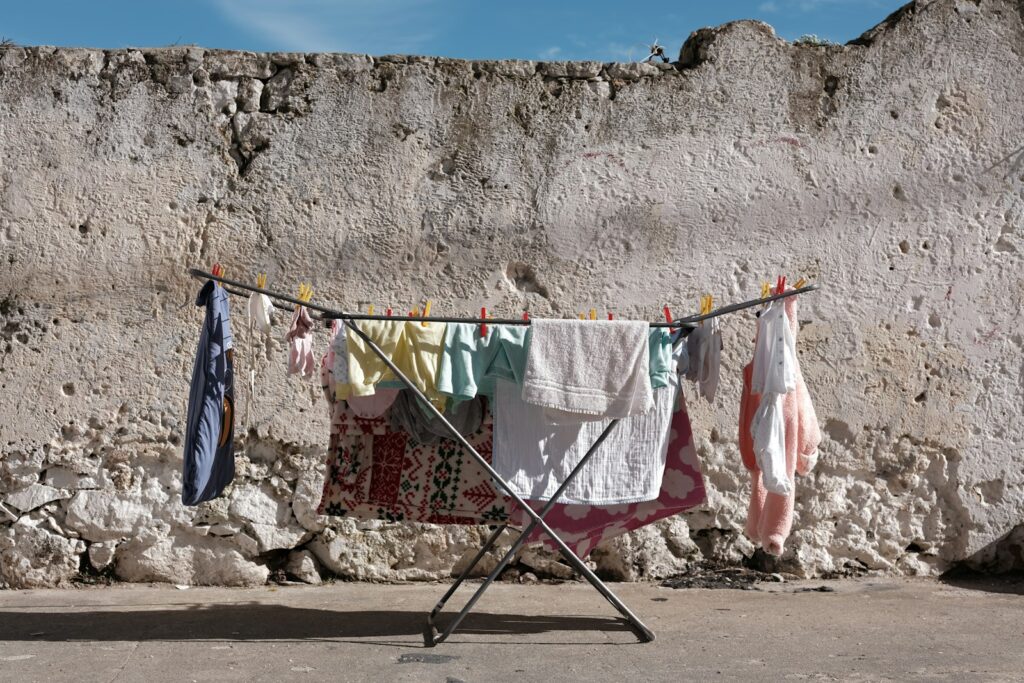 One load gives off about 2 liters of water as it air-dries, so put the rack where that moisture can leave, keep it 3 feet from the space heater, count inches of rail before you buy, space and turn the heavy things, watch humidity and window condensation, and know what the dryer you’re skipping really costs: indoor drying with the math.
- Hat, Glove and Scarf Storage by the Door: One Bin Per Person, Sized to What They Actually Wear
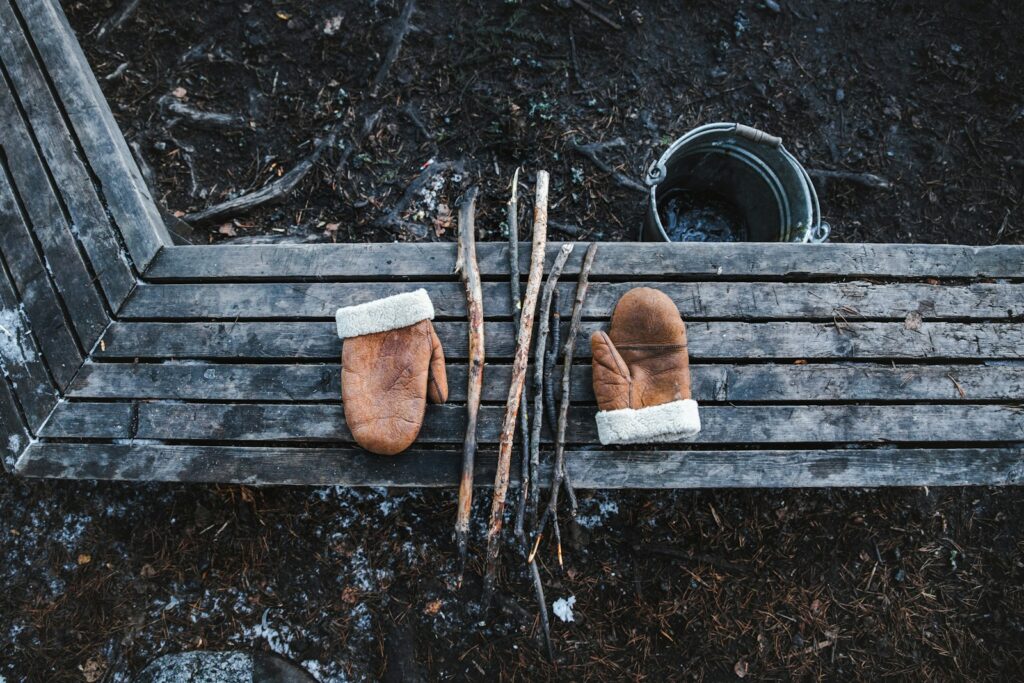 Keep a daily set plus one dry spare per person, size an open bin for each from a quick measurement, dry wet mittens before they go in, clip pairs together, hang woven scarves and fold knits, skip long scarves on the playground and wash wool before it’s sealed away: a hat and glove station with a worked bin-size example.
- Guest Room That Doubles as Storage: Pick the Bed by Floor Space, Keep the Window Clear
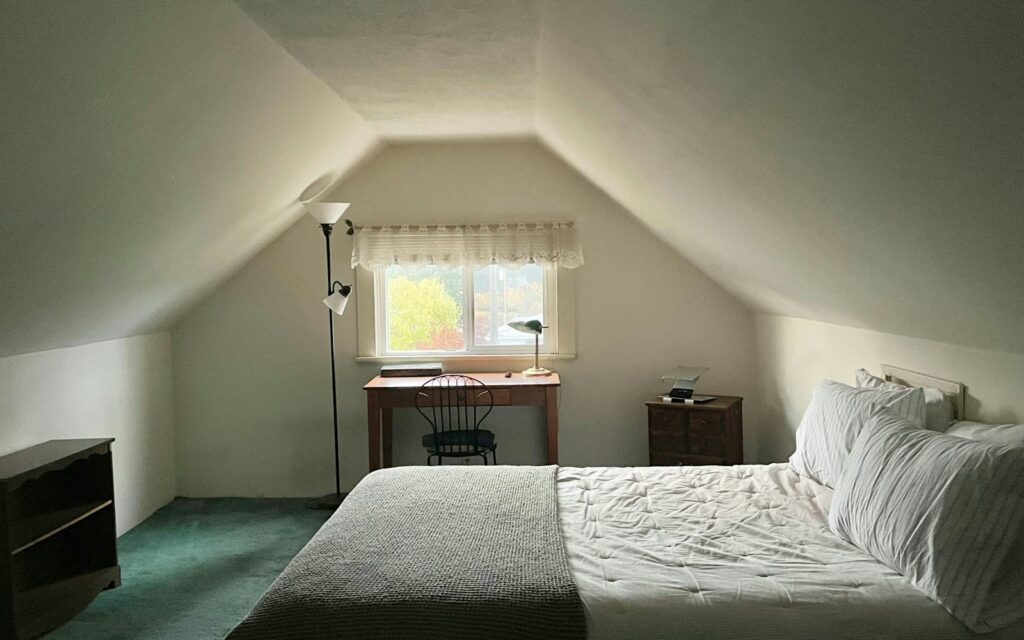 Count the nights the room really hosts, compare bed footprints before comfort, put storage on one wall behind a curtain, keep the window and door clear, leave guests half the closet and one drawer, and pack a single guest bin: a storage room that turns into a guest room in fifteen minutes, with a worked 10 by 11 foot example.