It’s the Tuesday before Thanksgiving. The permission slip is under a catalog, the dentist reminder is on someone’s phone, the car keys are in yesterday’s coat, and nobody remembers who’s picking up the pies. A family command center doesn’t fix a busy season, but it gives every one of those things a single, visible home, and that’s most of the battle. Here are thirteen ways to build one, from a full wall to the inside of a cabinet door.
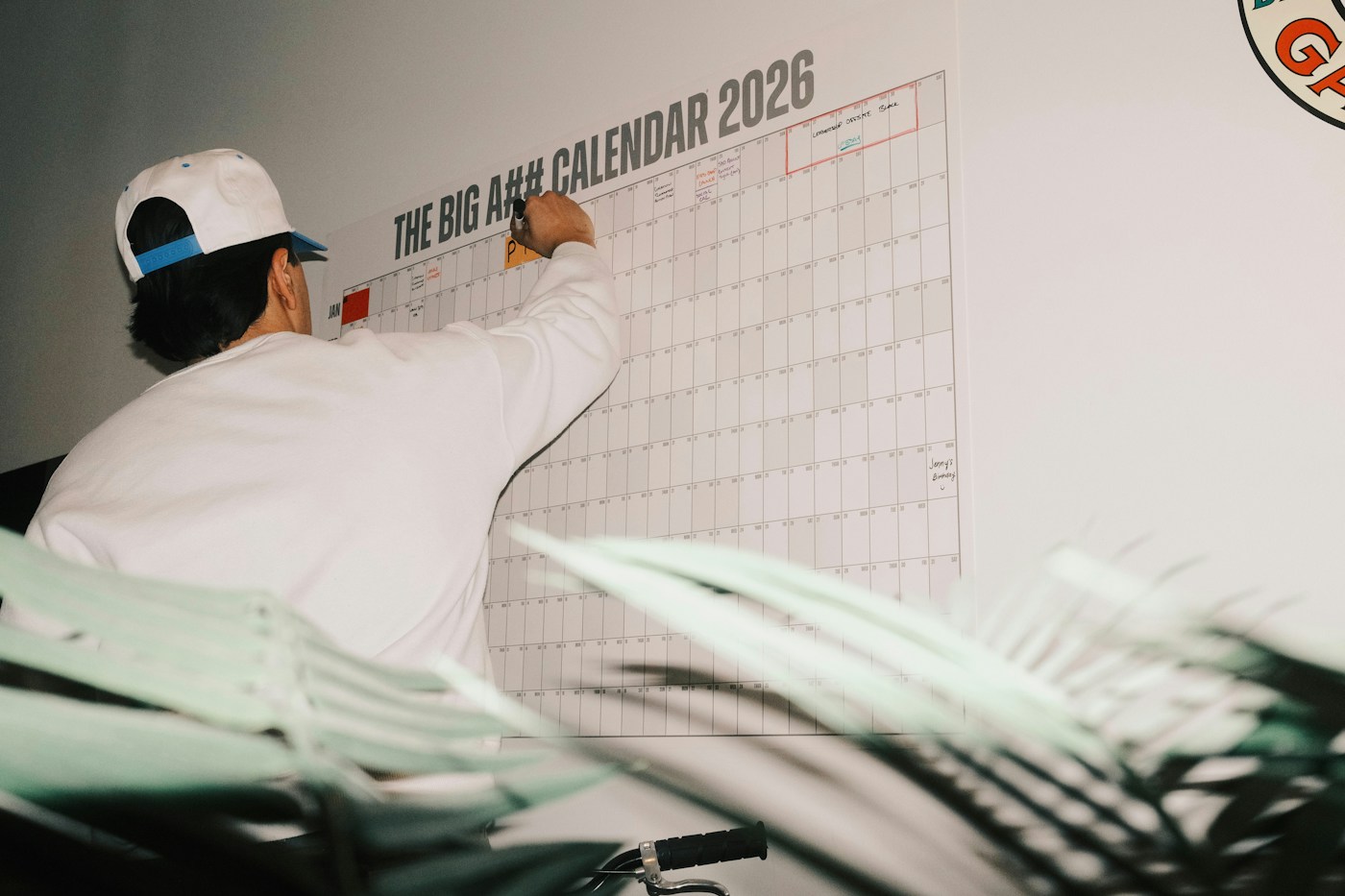
Put it where things already land, usually by the door you use most. Start with only three pieces: a calendar everyone can read, a mail sorter with three slots and a place for keys. Add folders, a holiday pocket and a charging spot only once those three are working.
Start with the spot
1. Put it where the clutter already lands
Stand at the door your family actually uses, usually the one from the garage or driveway, not the front door, and look for where bags, mail and keys get dropped today. That counter corner or stretch of wall is your command center. A beautiful setup on the wrong wall gets walked past.
Try it if you keep finding mail on the kitchen island: the island’s nearest wall or cabinet end is a natural spot.
2. Measure the wall before you buy anything
A useful command center needs less room than the photos suggest. A strip about 2 to 3 feet wide is typically enough for a monthly calendar, a mail sorter and a row of hooks. Mark the area with painter’s tape, live with it for two days and check it doesn’t block a light switch, a door swing or the path to the fridge. Measure yours; every wall is different.
3. No wall? Use the inside of a door
The inside of a pantry or tall cabinet door holds a slim calendar, a clipboard and a small file pocket, all hidden when the door is closed. Check that anything you mount clears the shelves when the door shuts, and use lightweight pieces so the hinges aren’t strained.
Skip it if the door is opened by the youngest kids, who’ll treat the pocket as a toy box.
The three pieces that do most of the work
4. One calendar, readable from across the room
A shared calendar only works if people actually glance at it. Choose a month view with squares big enough to write two or three things in, hang it at adult eye level and give each person a color. Phone calendars are great for reminders; the wall calendar is for the things everyone in the house needs to know, like who’s driving and when guests arrive.
5. Add a “this week” strip
A month view gets crowded in November and December. A narrow dry-erase strip under it for just this week, with columns for dinner, pickups and one to-do per person, catches what changes daily. Wipe it clean every Sunday evening while you look ahead.
6. A three-slot mail sorter, and recycling right below it
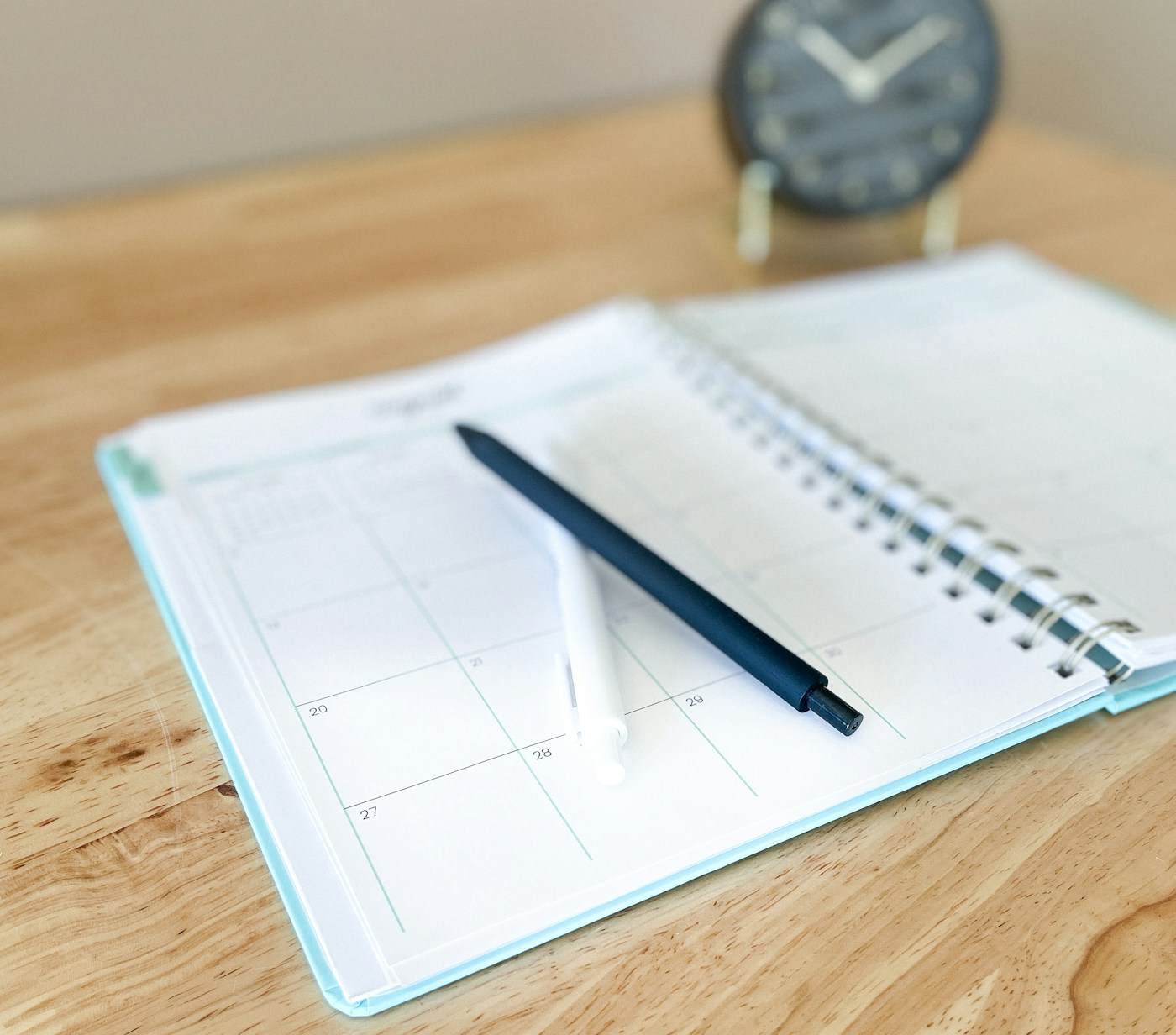
Most mail needs one of three things: action (bills, forms to sign), keeping (statements, warranties) or nothing at all. A wall sorter with three labeled slots, “Act,” “File,” “Out,” handles all of it, and a small recycling bin directly underneath catches catalogs and junk before they ever touch the counter. Anything with account numbers goes to a shred pile, not the recycling.
7. Keys on hooks, away from the door glass
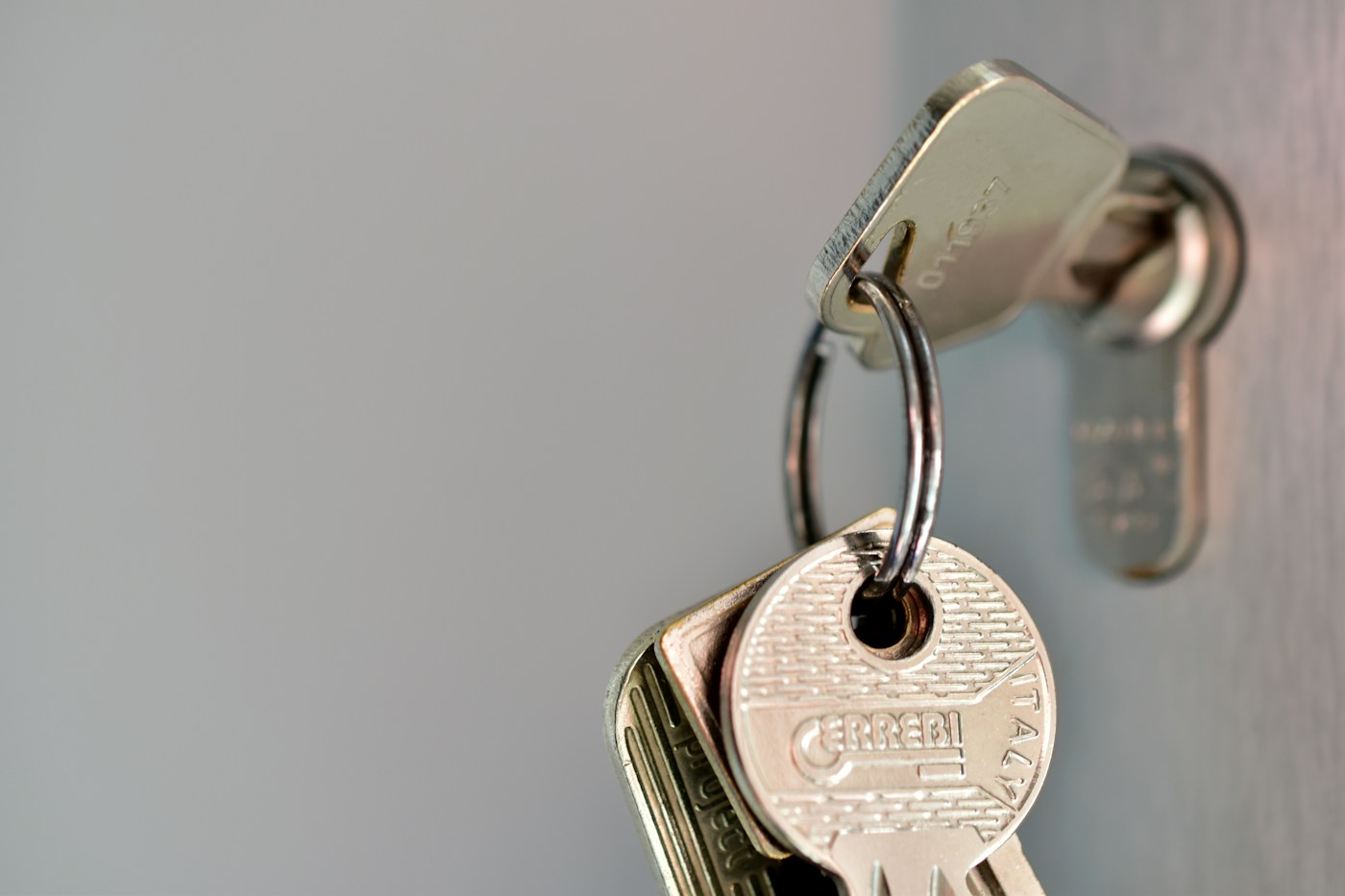
Give every set of car and house keys its own hook, labeled if the sets look alike. Put the hooks inside the command center rather than right beside the door, especially if the door has a window, so keys aren’t on display to anyone outside. A small shallow tray under the hooks catches sunglasses and badges.
Add-ons for a busy house
8. One folder per person
A wall file with one folder per family member gives school forms, sports schedules and appointment cards a place to wait. Kids drop papers in their own folder after school; whoever signs forms checks the folders each evening. Clear the folders out at the end of every month.
9. A holiday pocket for the season
From now until New Year’s, add one clear, labeled envelope or pocket for the season: party invitations, travel confirmations, the Thanksgiving shopping list, gift receipts and the recipe you only make once a year. When January comes, the whole pocket gets sorted in one sitting instead of scattered across the house.
Try it if you’re hosting: pin the meal timeline and the guest arrival times here so everyone can see them. Our Thanksgiving fridge countdown pairs well with it.
10. An “outgoing” bin for things that leave the house
Library books, packages to return, a borrowed dish, a donation bag. A bin or basket on the floor under the command center keeps them in the path to the car. Black Friday returns fit here too; tape the receipt to the item and write the return deadline on the calendar.
11. A charging spot that doesn’t overload an outlet
A charging station keeps phones from vanishing into bedrooms, but treat the power carefully. The U.S. Fire Administration advises not overloading outlets or power strips and using power strips with internal overload protection. Keep cords out from under rugs, and use a charger rated for your devices rather than a tangle of adapters. If the command center has no outlet, put the charging spot on the nearest counter instead of running an extension cord across a walkway. Our cable management guide covers tidy cord routing.
12. A small emergency card
Post a card with the numbers someone else in your home might need in a hurry: a neighbor, a family doctor, your address for a 911 call (guests and sitters often don’t know it) and the Poison Help line, 1-800-222-1222, from the federal Health Resources and Services Administration. Put it at adult eye level and update it once a year.
13. Renter-friendly mounting, and a monthly reset
If you can’t drill, adhesive hooks and strips work for paper-weight pieces like a calendar or a clipboard. Read the weight rating on the package and stay under it; a full mail sorter or a key rack with several heavy sets may need screws or a freestanding option on the counter. Whatever you mount, put a recurring reminder on the calendar itself: the first Sunday of each month, empty the folders, toss expired flyers and check the emergency card.
- Spot chosen where things already land, taped out for two days.
- Calendar hung and colors assigned.
- Mail sorter up, with recycling underneath.
- Key hooks, one per set.
- Folders, holiday pocket and outgoing bin only once the first three are used daily.
Pieces to compare
Affiliate disclosure: As an Amazon Associate I earn from qualifying purchases. These are Amazon searches for the types of pieces in this guide, not recommendations for a specific model. Check sizes and weight ratings before you buy.
Labels make every one of these ideas easier to keep up; our label maker comparison covers three types. And if the overflow is in a drawer rather than on the counter, start with our junk drawer guide.
Questions
Where should a family command center go?
Near the door your household uses most, where bags, mail and keys already pile up. A kitchen wall or cabinet end close to that door is common.
Paper calendar or digital?
Many families use both: a shared phone calendar for reminders, and a wall calendar for the things everyone in the house should see at a glance.
How do I keep it from turning into another clutter spot?
Limit it to the three core pieces at first, keep a recycling bin right under the mail sorter, and put a monthly clean-out on the calendar itself.
Sources: U.S. Fire Administration, Appliance and Electrical Fire Safety · HRSA Poison Help
Keep reading
More guides for your space
THE KINDRED JOURNAL
Latest from the journal
- Window Insulation Film: Does It Work? Sort Your Windows First, Then Do the Math
 Shrink film adds about R-1 and stops sash drafts, so it roughly halves heat loss through single-pane glass but barely helps a tight low-e window: sort your windows with the paper test, work out one window’s savings, keep the tape on trim and plan the way out of bedrooms.
- What Holiday Lights Really Cost to Run: LED vs. Incandescent, With the Math for Your Own Display
 Read the watts off each tag, multiply by your hours and your own rate, and the answer is clear: eight incandescent strings cost about $25.70 a season in our worked example and their LED versions about $2.18, big C9 bulbs pay back an LED swap in about three seasons, and working mini lights can wait.
- Ideal Indoor Humidity in Winter: Find Your Number, Check Your Meter, Then Add Only What the Room Needs
 Aim for 30 to 50% and never humidify past 50%, let the windows set the limit on the coldest nights, salt-test your hygrometer before you trust it, seal drafts first because a whole bedroom needs only about 4½ ounces of water, and clean the tank on a schedule: a winter humidity guide with the math worked out.
- Toy Storage Ideas: 13 Ways to Make Room Before the Holiday Toy Wave
 Edit the toys before the gifts arrive, give each kind of play one open bin on an anchored low shelf, keep small parts and spare batteries out of a toddler’s reach, skip latching lids and rotate the extras: thirteen toy storage ideas for the weeks before and after the holidays.
- Best Gift Wrap Organizers: 5 Picks for a Closet Corner, Under the Bed or the Back of a Door
 An upright box that holds up to 32 long rolls, a 41.5-inch under-bed bag for big collections, a water-resistant zip bag, an over-the-door organizer and a slim canvas case for eight rolls: five gift wrap organizers matched to the space you can give them.
- Cord and Cable Storage: 13 Ideas for the Spare Chargers, Cables and Adapters Nobody Can Find
 Match every cable to a device you still own, keep a sensible number of spares by connector type, coil them loosely, label the mystery bricks, hang the extension cords and send old batteries and dead cables to a proper drop-off: thirteen ways to store spare cords so the right one turns up in seconds.
- Window Condensation in Winter: Find Which Side the Water Is On, Then Match Humidity to the Forecast
 Do the wipe test to tell room-side fog from a failed seal, check a hygrometer against the outdoor low, keep humidity at or under 40% above 20°F and 30% below 10°F, run the fans, open the curtains by day and dry wet sills the same morning: a window condensation guide with a worked cold-week example.
- How to Clean a Range Hood Filter Before Holiday Cooking: Know Your Filter Type, Then Put It on the Calendar
 Wash metal mesh and baffle filters in hot soapy water or the dishwasher, replace charcoal filters instead of rinsing them, never run the hood with the filter out, and clean the weekend before Thanksgiving and again before Christmas: a range hood filter guide with a worked holiday cleaning calendar.
- Drying Clothes Indoors in Winter: Where the Rack Goes, How Much Rail You Need and What It Saves
 One load gives off about 2 liters of water as it air-dries, so put the rack where that moisture can leave, keep it 3 feet from the space heater, count inches of rail before you buy, space and turn the heavy things, watch humidity and window condensation, and know what the dryer you’re skipping really costs: indoor drying with the math.