When a furnace or air conditioner reaches the end of its life, more homeowners now face a choice their parents didn’t: replace it with the same thing, or switch to a heat pump. Both can keep a house comfortable. Which one costs less depends on your climate, your fuel prices, and your house. Here’s a plain-English comparison to help you walk into contractor visits with the right questions.
Affiliate disclosure: As an Amazon Associate I earn from qualifying purchases. Shopping links in this post open Amazon search results for a type of item, not a specific product we’ve tested. This guide is general information; get quotes from licensed HVAC contractors for your home.
How each one works
A furnace makes heat. Most burn natural gas, propane, or oil; some use electric resistance coils. Warm air is blown through your ducts. You need a separate air conditioner for cooling.
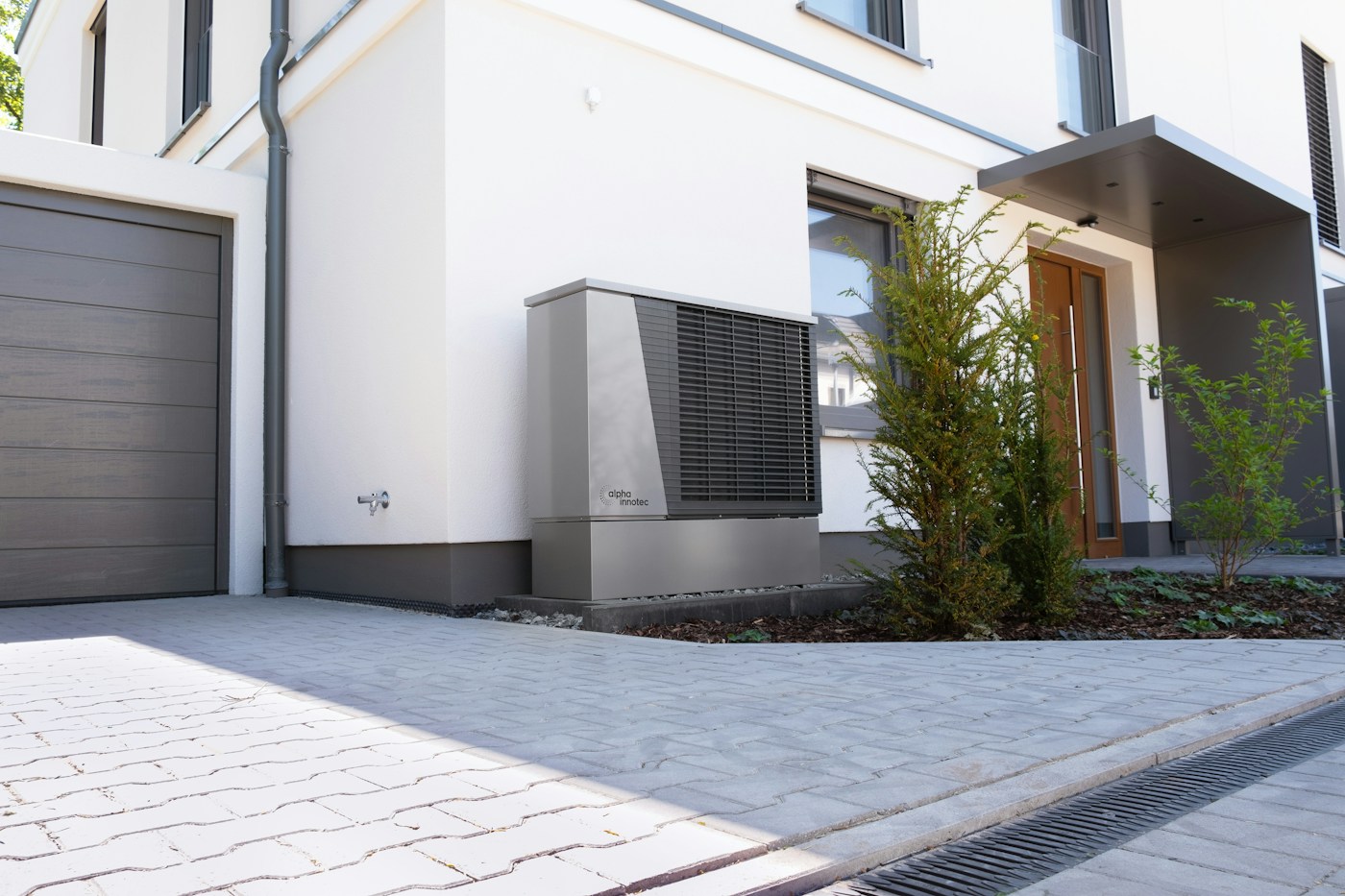
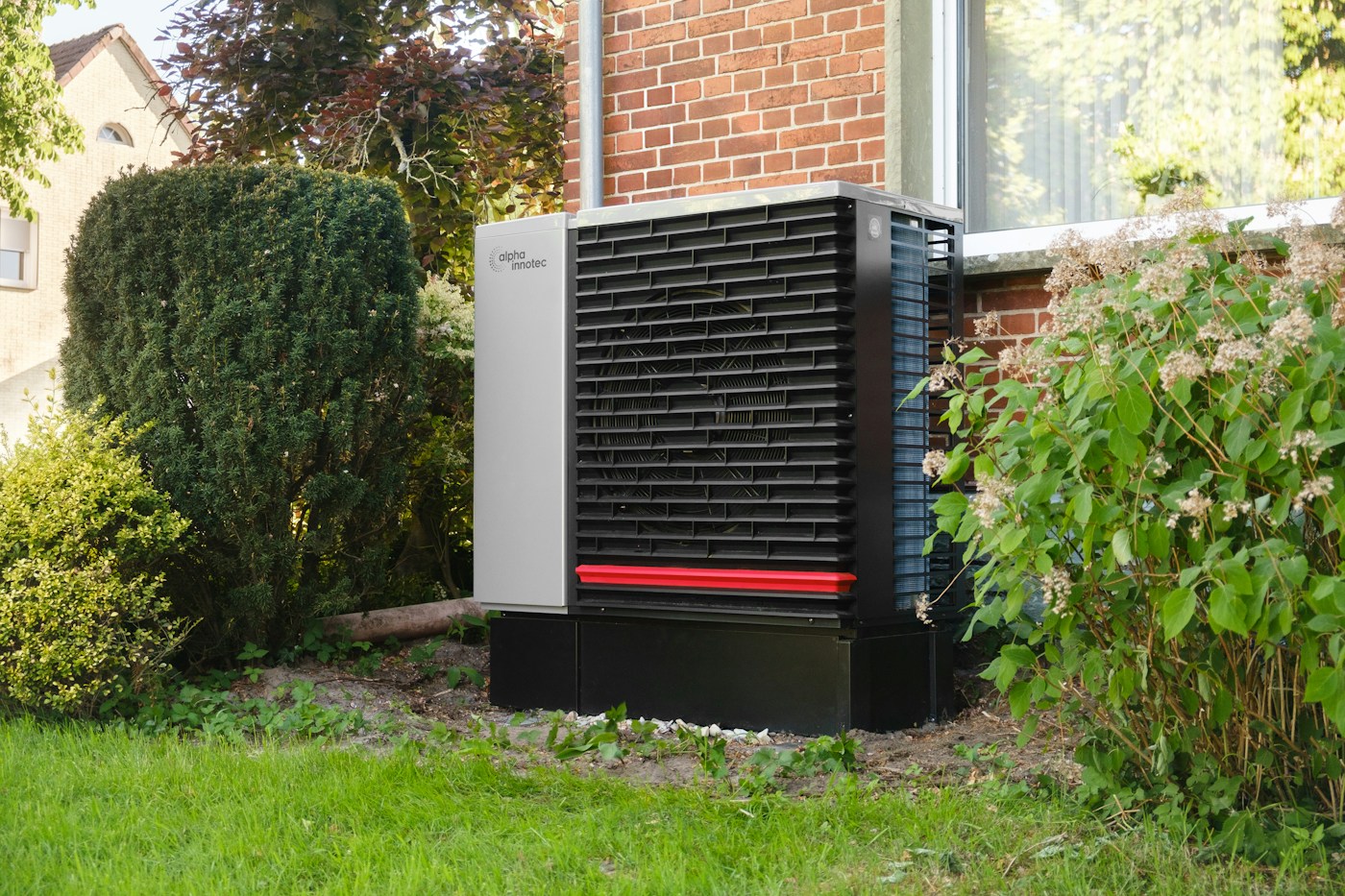
A heat pump moves heat. In winter it pulls heat from the outdoor air and brings it inside; in summer it reverses and works as an air conditioner. Because it moves heat instead of creating it, it can deliver more heat energy than the electricity it uses. The U.S. Department of Energy notes that heat pumps can cut electricity use for heating by roughly half compared with electric resistance heat like baseboard heaters or electric furnaces.
Side by side
| Heat pump | Gas furnace + AC | |
|---|---|---|
| Heating and cooling | One system does both | Two separate pieces of equipment |
| Fuel | Electricity | Natural gas or propane, plus electricity for the AC |
| Efficiency rating | HSPF2 (heating), SEER2 (cooling) | AFUE (furnace), SEER2 (AC) |
| Very cold weather | Output drops; may need backup heat | Steady output regardless of outdoor temperature |
| Combustion and CO risk | None from the heat pump itself | Needs venting and carbon monoxide alarms |
| Running cost | Depends heavily on local electricity prices | Depends heavily on local gas prices |
Can a heat pump handle a real winter?
Older heat pumps struggled in deep cold, which is where their reputation comes from. Newer cold-climate models are designed to keep heating at much lower outdoor temperatures. Even so, output drops as it gets colder, so many systems in cold regions include backup heat: either electric resistance strips or the existing furnace.
That second option, called a dual-fuel or hybrid system, pairs a heat pump with a gas furnace. The heat pump handles mild days efficiently, and the furnace takes over in the coldest weather. It can be a good fit if you already have a working gas furnace and ductwork.
Which one costs less to run?
It depends on what you pay for electricity versus gas or propane, and how cold your winters are. In general:
- Heat pumps usually win against electric resistance heat, propane, and heating oil.
- It’s closer against natural gas, and the answer varies by region. Where electricity is expensive and gas is cheap, a gas furnace can still cost less to run in winter.
- Cooling is a separate story: a new heat pump cools as efficiently as a new central air conditioner of similar rating.
Ask contractors for an estimated yearly operating cost using your actual utility rates, not national averages.
What changed in 2026
The federal Energy Efficient Home Improvement Credit, which covered up to $2,000 for qualifying heat pumps, ended for equipment placed in service after December 31, 2025. If you installed in 2025, you can still claim it on your 2025 return. For 2026 projects, look for:
- Utility rebates, which many electric utilities offer for heat pumps and heat pump water heaters.
- State programs, including some state-run home energy rebate programs. Availability and rules vary widely.
- Manufacturer and contractor promotions, especially in the off-season.
Check your utility’s website and your state energy office before you sign a contract.
Questions to ask every contractor
- Will you do a room-by-room load calculation (often called Manual J), or size it from the old unit?
- Is this model rated for cold climates, and how much heat does it deliver at our typical winter low?
- What backup heat is included, and when will it turn on?
- Do our existing ducts need repair or sealing?
- What’s the estimated yearly operating cost at our utility rates?
- What warranties cover parts, the compressor, and your labor?
- Which rebates do we qualify for, and will you handle the paperwork?
If your home doesn’t have ducts, ask about ductless mini-split heat pumps, which mount indoor units on the wall and can heat and cool individual rooms or zones.
Whatever you choose, make sure your thermostat is compatible. Heat pumps often need a thermostat that can manage backup heat properly; see our thermostat mistakes guide. Heat-pump-compatible smart thermostats on Amazon ↗
Common questions
Should I replace a working furnace with a heat pump?
Usually not just for the sake of it. The most cost-effective time to switch is when your air conditioner or furnace needs replacing anyway. If your AC is failing but your furnace is fine, a dual-fuel setup can be a smart middle path.
Are heat pumps noisy?
Modern units are generally similar to central air conditioners. Ask for the sound rating and think about where the outdoor unit will sit relative to bedrooms and neighbors.
Do I need to upgrade my electrical panel?
Sometimes, especially in older homes or when adding electric backup heat. A contractor or electrician can check your panel’s capacity during the estimate.
How long do heat pumps last?
Lifespans vary with climate, use, and maintenance. Regular filter changes and yearly service help. Our list of signs your heating or cooling system is failing covers what to watch for.
Related: 8 signs your furnace or AC is about to fail
Keep reading
More ways to save at home
THE KINDRED JOURNAL
Latest from the journal
- What Holiday Lights Really Cost to Run: LED vs. Incandescent, With the Math for Your Own Display
 Read the watts off each tag, multiply by your hours and your own rate, and the answer is clear: eight incandescent strings cost about $25.70 a season in our worked example and their LED versions about $2.18, big C9 bulbs pay back an LED swap in about three seasons, and working mini lights can wait.
- Ideal Indoor Humidity in Winter: Find Your Number, Check Your Meter, Then Add Only What the Room Needs
 Aim for 30 to 50% and never humidify past 50%, let the windows set the limit on the coldest nights, salt-test your hygrometer before you trust it, seal drafts first because a whole bedroom needs only about 4½ ounces of water, and clean the tank on a schedule: a winter humidity guide with the math worked out.
- Toy Storage Ideas: 13 Ways to Make Room Before the Holiday Toy Wave
 Edit the toys before the gifts arrive, give each kind of play one open bin on an anchored low shelf, keep small parts and spare batteries out of a toddler’s reach, skip latching lids and rotate the extras: thirteen toy storage ideas for the weeks before and after the holidays.
- Best Gift Wrap Organizers: 5 Picks for a Closet Corner, Under the Bed or the Back of a Door
 An upright box that holds up to 32 long rolls, a 41.5-inch under-bed bag for big collections, a water-resistant zip bag, an over-the-door organizer and a slim canvas case for eight rolls: five gift wrap organizers matched to the space you can give them.
- Cord and Cable Storage: 13 Ideas for the Spare Chargers, Cables and Adapters Nobody Can Find
 Match every cable to a device you still own, keep a sensible number of spares by connector type, coil them loosely, label the mystery bricks, hang the extension cords and send old batteries and dead cables to a proper drop-off: thirteen ways to store spare cords so the right one turns up in seconds.
- Window Condensation in Winter: Find Which Side the Water Is On, Then Match Humidity to the Forecast
 Do the wipe test to tell room-side fog from a failed seal, check a hygrometer against the outdoor low, keep humidity at or under 40% above 20°F and 30% below 10°F, run the fans, open the curtains by day and dry wet sills the same morning: a window condensation guide with a worked cold-week example.
- How to Clean a Range Hood Filter Before Holiday Cooking: Know Your Filter Type, Then Put It on the Calendar
 Wash metal mesh and baffle filters in hot soapy water or the dishwasher, replace charcoal filters instead of rinsing them, never run the hood with the filter out, and clean the weekend before Thanksgiving and again before Christmas: a range hood filter guide with a worked holiday cleaning calendar.
- Drying Clothes Indoors in Winter: Where the Rack Goes, How Much Rail You Need and What It Saves
 One load gives off about 2 liters of water as it air-dries, so put the rack where that moisture can leave, keep it 3 feet from the space heater, count inches of rail before you buy, space and turn the heavy things, watch humidity and window condensation, and know what the dryer you’re skipping really costs: indoor drying with the math.
- Hat, Glove and Scarf Storage by the Door: One Bin Per Person, Sized to What They Actually Wear
 Keep a daily set plus one dry spare per person, size an open bin for each from a quick measurement, dry wet mittens before they go in, clip pairs together, hang woven scarves and fold knits, skip long scarves on the playground and wash wool before it’s sealed away: a hat and glove station with a worked bin-size example.