Heating and cooling systems rarely die without warning. They get louder, run longer, leave cold spots, and slowly push your bills up. Catching those signs early can mean a small repair in October instead of an emergency replacement in January, when every technician in town is booked. Here are the eight signs worth taking seriously, and the five-minute checks to do before you pick up the phone.
Affiliate disclosure: As an Amazon Associate I earn from qualifying purchases. Shopping links in this post open Amazon search results for a type of item, not a specific product we’ve tested.
Check these before you call
A surprising number of “broken” systems are fine. Rule these out first:
- The filter. A clogged filter can cause weak airflow, short cycling, and even a frozen AC coil. Replace it if it looks gray. HVAC filters on Amazon ↗
- The thermostat. Check that it’s set to Heat or Cool, the schedule isn’t overriding you, and the batteries aren’t dead.
- The breaker and switch. Furnaces usually have a service switch that looks like a light switch near the unit. Make sure it’s on and that no breaker has tripped.
- The vents. Make sure supply and return vents aren’t blocked by furniture or rugs.
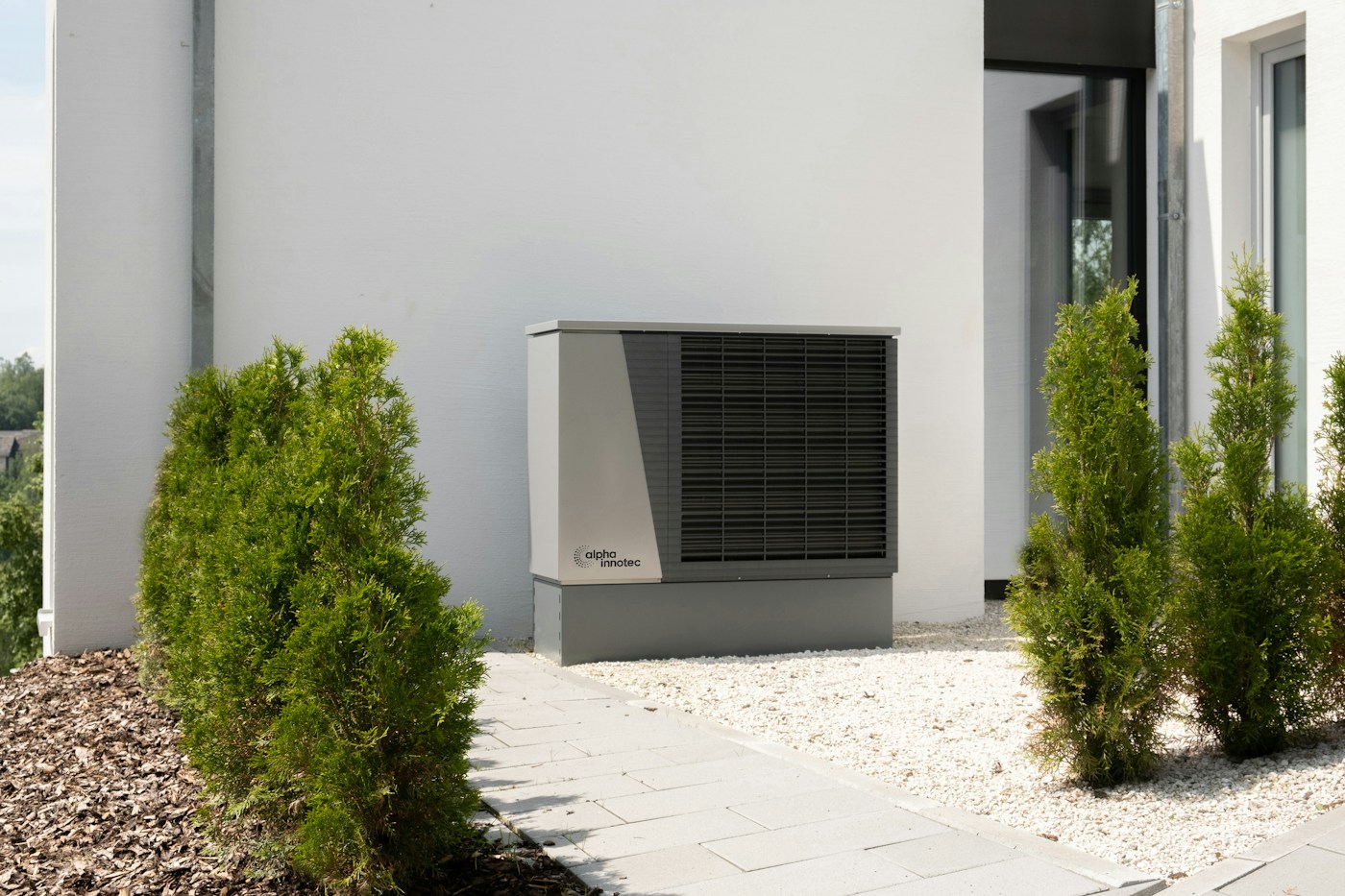
- The outdoor unit. Clear leaves, snow, and debris from around it. Keep a couple of feet of open space on all sides.
The 8 warning signs
1. It’s getting old
Age alone isn’t a reason to replace a system that works, but it changes the math on repairs. ENERGY STAR suggests considering replacement when an air conditioner or heat pump is more than 10 years old, or when a furnace or boiler over 15 years old needs repair. Find the install date on the unit’s label or in your home records so you know where you stand.
What to do: start budgeting and getting a rough replacement quote now, so a sudden failure doesn’t force a rushed decision.
2. Your bills are climbing without explanation
If your heating or cooling costs rise year over year while your rates and habits haven’t changed, the system may be losing efficiency. Compare the same months on past bills to rule out weather. Our list of things quietly raising your electric bill covers other culprits worth checking.
3. Repairs are becoming a habit
One repair is normal. Several in two years usually means more are coming. Keep a simple log of repair dates and costs; it makes the repair-or-replace conversation much easier.
4. Some rooms are always too hot or too cold
Uneven temperatures can point to a struggling blower, leaky ducts, or an undersized system. They can also come from air leaks and thin insulation, which are cheaper to fix. Our guide to where your home loses heat helps you tell the difference.
5. It turns on and off constantly
Short cycling, where the system runs for a few minutes, shuts off, and starts again, wears out parts and wastes energy. Causes range from a dirty filter or a badly placed thermostat to an oversized system or a failing component. If a new filter doesn’t fix it, call a technician.
6. New noises
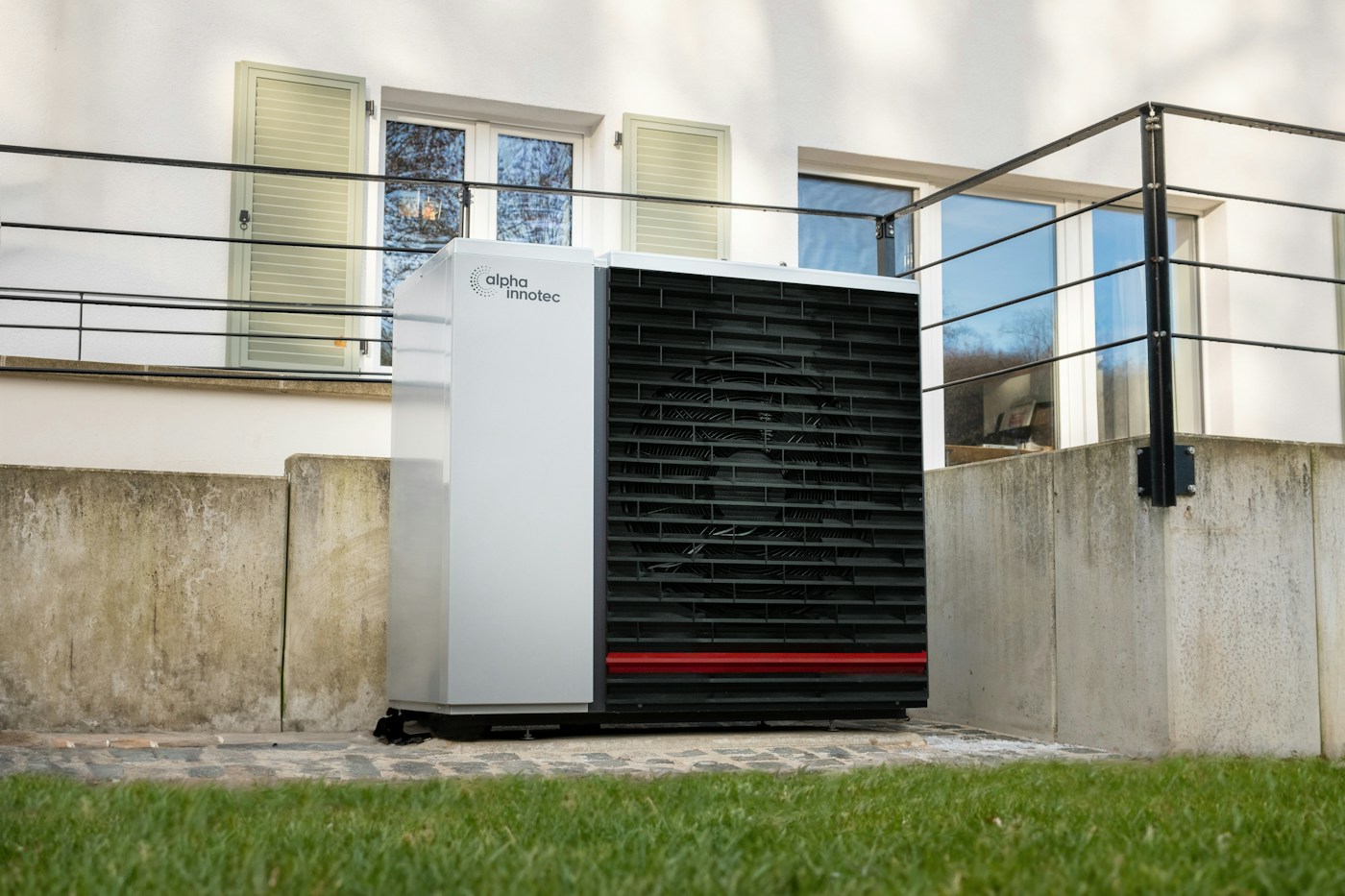
Every system hums, but listen for changes. Squealing can mean a worn belt or motor bearing. Grinding or scraping suggests failing motor parts. Repeated banging or booming when a gas furnace starts can mean delayed ignition. Turn the system off if a noise is loud and sudden, and call for service.
7. Strange smells
A dusty, burning smell for a few minutes the first time you turn on the heat each fall is common; it’s dust burning off. A burning smell that lingers, an electrical or melting-plastic smell, or any smell of gas is not normal. For gas, leave first and call from outside.
8. A yellow flame or soot around a gas furnace
If you can see the burner flame, it should be mostly blue. A lazy yellow or orange flame, soot around the furnace, or excess moisture on nearby windows can point to a combustion problem. That’s a carbon monoxide risk; have a professional inspect it promptly. Make sure you have working carbon monoxide alarms on every level of your home. Carbon monoxide alarms on Amazon ↗
Repair or replace?
There’s no single formula, but these questions help:
- How old is the system, compared with the ENERGY STAR guidance above?
- Is this repair a large share of what a new system would cost?
- Have repairs been piling up?
- Are your bills and comfort getting worse?
If most answers point the same way, get two or three written replacement quotes before agreeing to an expensive repair. Ask each contractor to size the system with a load calculation, not just by matching the old unit. And if you’re replacing, read our comparison of heat pumps and furnaces before you choose.
Common questions
How often should I change my furnace filter?
Follow the filter maker’s guidance, but check it monthly during heavy heating and cooling seasons. Homes with pets, allergies, or construction dust usually need more frequent changes.
Is it normal for a heat pump to have frost on it in winter?
A light frost is normal, and the unit runs a defrost cycle to clear it. A thick block of ice that doesn’t clear, or ice on the unit in summer, is a reason to call a technician.
Do I really need an annual tune-up?
It isn’t required, but many manufacturers recommend yearly maintenance and some warranties depend on it. For gas furnaces in particular, a yearly inspection is a good safety habit.
What if my system fails during a cold snap?
Close off unused rooms, use a space heater safely in the room you’re in, and dress warmly. Never use a gas oven, grill, or generator indoors for heat. More ideas are in 13 cheap ways to keep your house warmer.

Keep reading
More ways to save at home
THE KINDRED JOURNAL
Latest from the journal
- What Holiday Lights Really Cost to Run: LED vs. Incandescent, With the Math for Your Own Display
 Read the watts off each tag, multiply by your hours and your own rate, and the answer is clear: eight incandescent strings cost about $25.70 a season in our worked example and their LED versions about $2.18, big C9 bulbs pay back an LED swap in about three seasons, and working mini lights can wait.
- Ideal Indoor Humidity in Winter: Find Your Number, Check Your Meter, Then Add Only What the Room Needs
 Aim for 30 to 50% and never humidify past 50%, let the windows set the limit on the coldest nights, salt-test your hygrometer before you trust it, seal drafts first because a whole bedroom needs only about 4½ ounces of water, and clean the tank on a schedule: a winter humidity guide with the math worked out.
- Toy Storage Ideas: 13 Ways to Make Room Before the Holiday Toy Wave
 Edit the toys before the gifts arrive, give each kind of play one open bin on an anchored low shelf, keep small parts and spare batteries out of a toddler’s reach, skip latching lids and rotate the extras: thirteen toy storage ideas for the weeks before and after the holidays.
- Best Gift Wrap Organizers: 5 Picks for a Closet Corner, Under the Bed or the Back of a Door
 An upright box that holds up to 32 long rolls, a 41.5-inch under-bed bag for big collections, a water-resistant zip bag, an over-the-door organizer and a slim canvas case for eight rolls: five gift wrap organizers matched to the space you can give them.
- Cord and Cable Storage: 13 Ideas for the Spare Chargers, Cables and Adapters Nobody Can Find
 Match every cable to a device you still own, keep a sensible number of spares by connector type, coil them loosely, label the mystery bricks, hang the extension cords and send old batteries and dead cables to a proper drop-off: thirteen ways to store spare cords so the right one turns up in seconds.
- Window Condensation in Winter: Find Which Side the Water Is On, Then Match Humidity to the Forecast
 Do the wipe test to tell room-side fog from a failed seal, check a hygrometer against the outdoor low, keep humidity at or under 40% above 20°F and 30% below 10°F, run the fans, open the curtains by day and dry wet sills the same morning: a window condensation guide with a worked cold-week example.
- How to Clean a Range Hood Filter Before Holiday Cooking: Know Your Filter Type, Then Put It on the Calendar
 Wash metal mesh and baffle filters in hot soapy water or the dishwasher, replace charcoal filters instead of rinsing them, never run the hood with the filter out, and clean the weekend before Thanksgiving and again before Christmas: a range hood filter guide with a worked holiday cleaning calendar.
- Drying Clothes Indoors in Winter: Where the Rack Goes, How Much Rail You Need and What It Saves
 One load gives off about 2 liters of water as it air-dries, so put the rack where that moisture can leave, keep it 3 feet from the space heater, count inches of rail before you buy, space and turn the heavy things, watch humidity and window condensation, and know what the dryer you’re skipping really costs: indoor drying with the math.
- Hat, Glove and Scarf Storage by the Door: One Bin Per Person, Sized to What They Actually Wear
 Keep a daily set plus one dry spare per person, size an open bin for each from a quick measurement, dry wet mittens before they go in, clip pairs together, hang woven scarves and fold knits, skip long scarves on the playground and wash wool before it’s sealed away: a hat and glove station with a worked bin-size example.