It’s Thanksgiving morning. You pull the good tablecloth off the top shelf and shake it out: sharp yellowed lines where it was folded for a year, a faint brown ring from last year’s gravy you were sure had washed out, and the matching napkins are nowhere to be found. None of that happened on the day. It happened in storage. The thirteen ideas below fix the storage part, so holiday linens come out clean, findable and close to ready for the table.
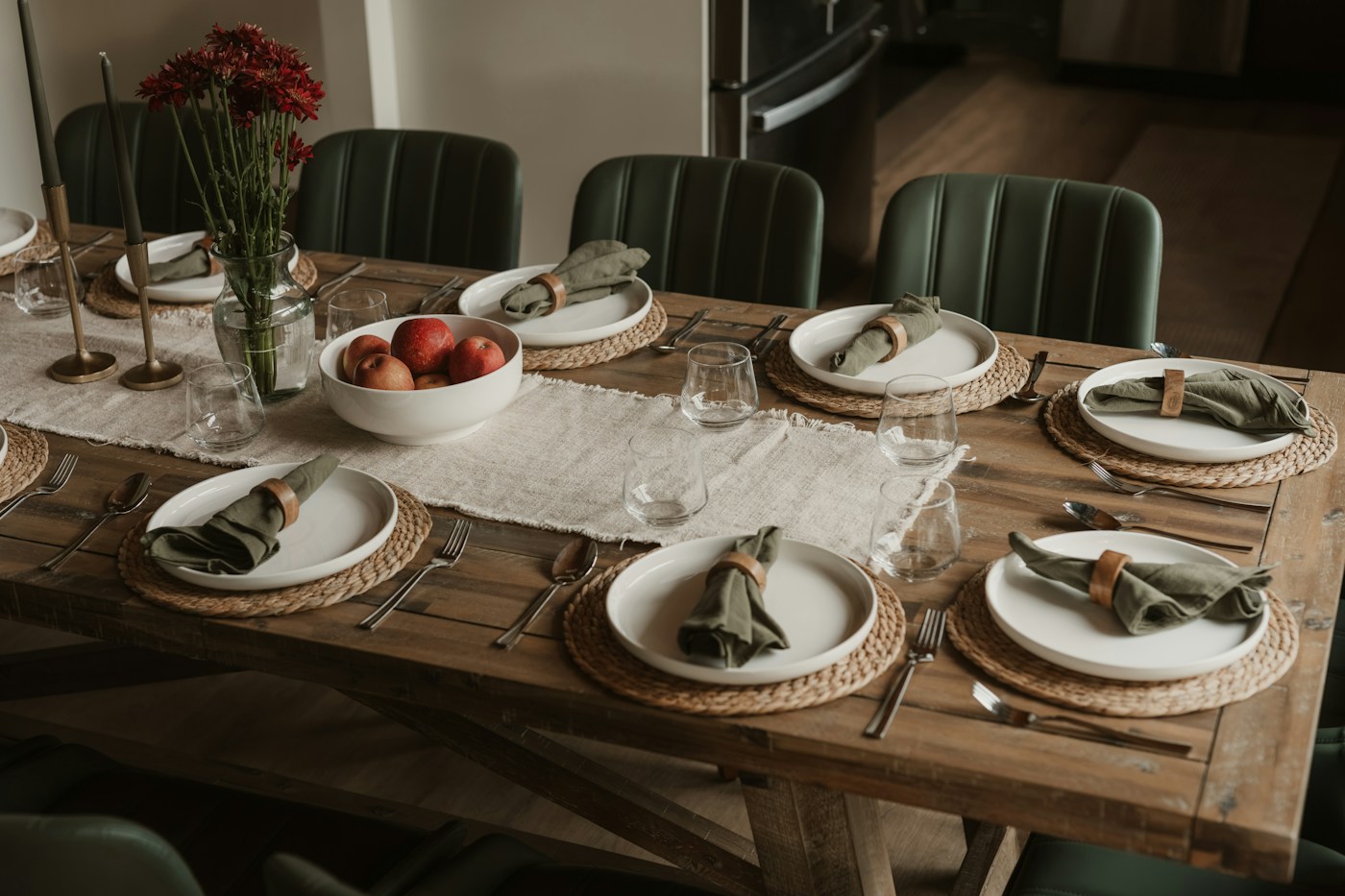
The three habits that matter most: put linens away clean and fully dry (idea 1), avoid plastic dry-cleaner bags and bare wood or cardboard (ideas 8 and 9), and keep each tablecloth with its napkins in one labeled bundle (idea 6). Rolling and padding creases (ideas 3 and 4) are the upgrade for your best pieces.
Before anything goes in the closet
1. Wash it now, not next November
A spot you can barely see in November can look much worse after a year in a closet. Canada’s Conservation Institute, a federal agency that advises museums and the public on caring for textiles, says textiles should be clean and dry before they go into storage, and notes that mold stains are difficult, if not impossible, to remove. So treat gravy, wine and candle-wax spots right after the meal, wash according to the care label, and let everything dry completely before it’s folded. Damp linen packed into a closet is how mildew starts.
Try it if your tablecloths come out with mystery spots every year.
2. Decide what’s everyday and what’s holiday
Everyday placemats and cloth napkins earn a kitchen drawer. The once-a-year tablecloth, the fall runner and the cloth napkins for twelve don’t. Splitting them frees prime kitchen space and lets the holiday pieces live somewhere better suited to long storage, which is covered in ideas 10 and 11.
Fold less, roll more
3. Roll your longest and best tablecloths
Folds become weak points over time. University of Nebraska–Lincoln Extension’s guidance on storing quilts, which applies to other heirloom textiles too, says rolling is better than folding, and recommends a tube at least 4 inches across, padded and covered with tissue or muslin. Don’t fold first and then roll, since that puts heavy stress on the fold line.
A sturdy cardboard tube from wrapping paper works if you wrap it in acid-free tissue or a clean cotton cloth first, because ordinary cardboard gives off acids as it ages. Store the roll lying flat on a shelf or hung from a hook through the tube so the fabric doesn’t carry its own weight.
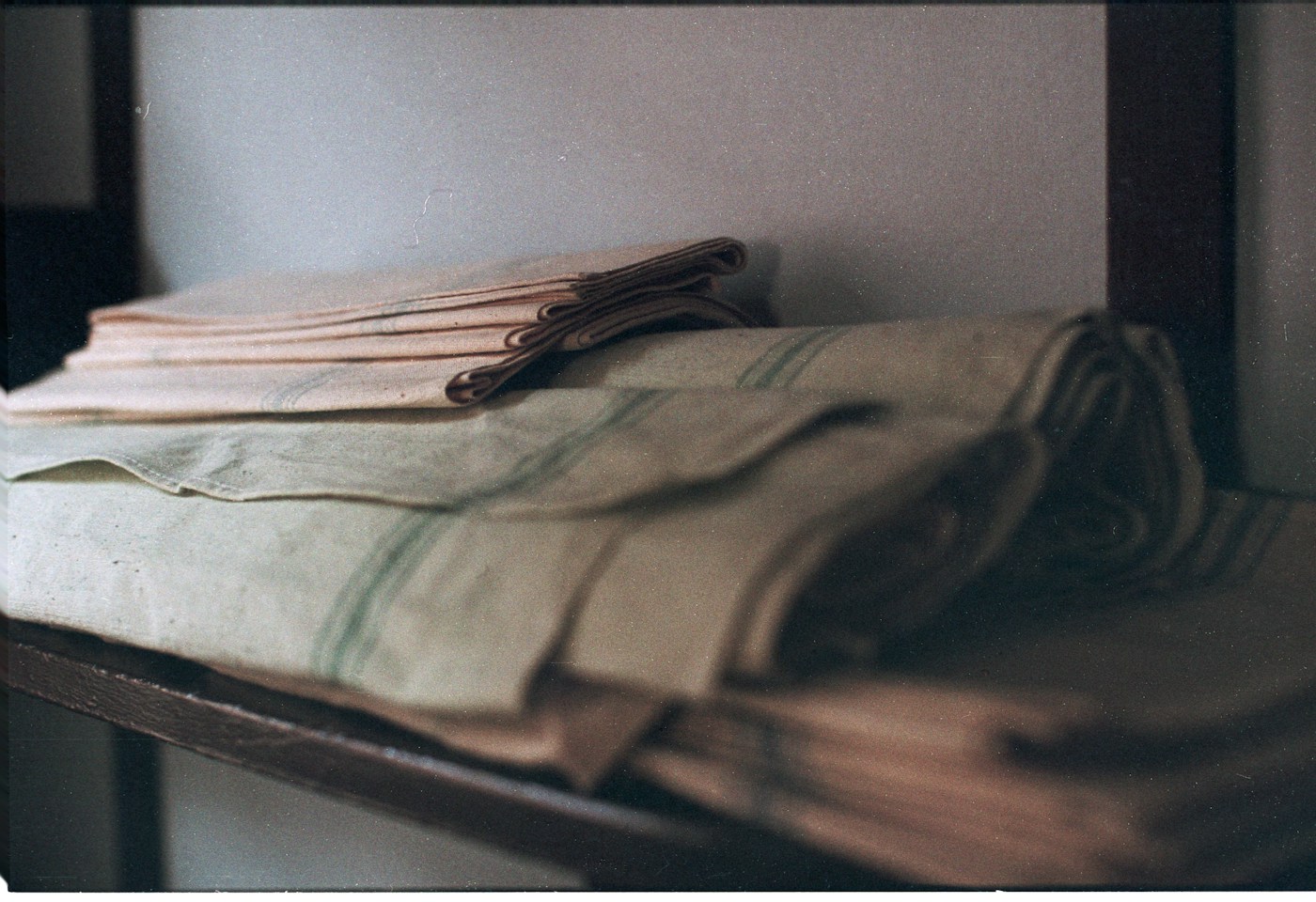
4. If you fold, use fewer folds and pad them
When rolling isn’t practical, fold as few times as you can, and lay a crumpled sheet of acid-free tissue inside each fold so it curves instead of making a sharp crease. Both the UNL Extension and the Conservation Institute recommend padding folds this way.
5. Refold once or twice a year
Creases held in the same place for years can weaken fibers along the line. Refolding along slightly different lines spreads out that strain; both sources above suggest doing it periodically. Make it part of taking the linens out for the holidays and putting them back.
Keep sets together and findable
6. Bundle each set in a pillowcase
Fold the tablecloth, tuck the matching napkins and runner inside it, and slide the bundle into a clean cotton pillowcase. Everything for one table stays together, the cotton breathes, and the bundle stacks neatly on a shelf. It’s the same trick that works for sheet sets in our linen closet guide.
7. Tag each one with its size and its table
“Ivory, 60 × 102” means more on the day than “the nice one.” Add which table it fits: the dining table with the leaf in, or the round one in the kitchen. A paper tag tied with cotton string or a label on the pillowcase does the job. Our label maker comparison covers quick options.
Choose what touches the fabric
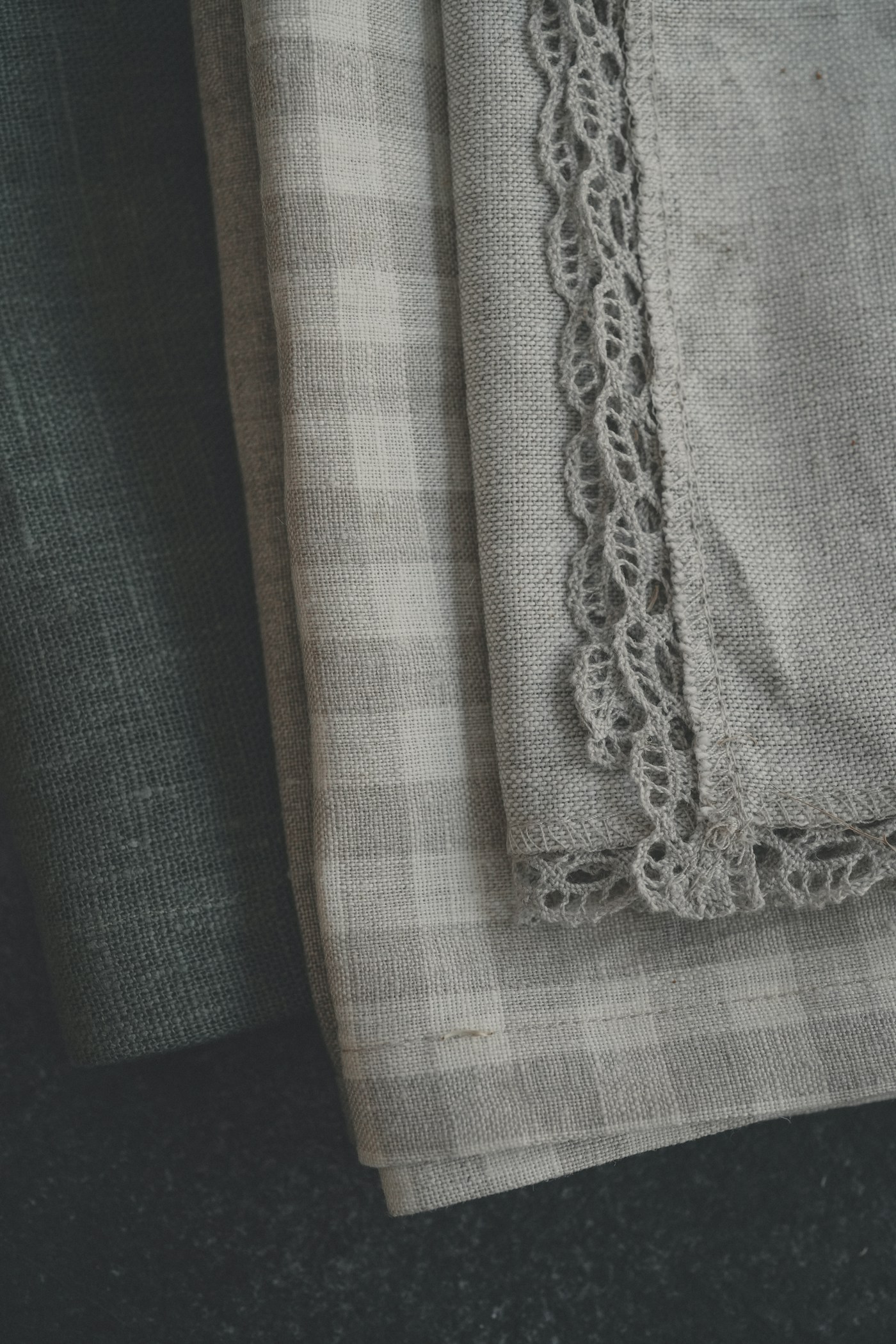
8. Skip the dry-cleaner bag
The Conservation Institute specifically warns against plastic garment bags like the ones from the dry cleaner, which block air circulation and don’t protect against light. UNL Extension also advises against plastic for heirloom textiles because it can trap moisture. Use a cotton pillowcase, a breathable fabric storage bag, or a clean old sheet. If you prefer a lidded plastic bin for dust and pests, line it with a clean cotton cloth and make sure everything inside is completely dry.
9. Keep linens off bare wood and cardboard
UNL Extension notes that wood, including cedar chests, and ordinary cardboard and paper give off acids as they age that can damage fabric in direct contact. Line a wooden drawer or chest with acid-free tissue or unbleached muslin first, and avoid storing a tablecloth in the cardboard box it came in for years on end.
Pick the right spot
10. Dark, steady and not the attic
Light fades colors and weakens natural fibers, so a closet beats an open shelf. UNL Extension also recommends avoiding attics, basements, kitchens and unheated spaces, where temperature and humidity swing. A hall closet, the top shelf of a bedroom closet or a drawer in the dining room are all better choices than a garage bin.
11. Use an under-bed box for big collections
If you host several holidays a year and have a stack of tablecloths, a low, breathable under-bed box in a bedroom keeps them flat, dark and at room temperature. Measure the clearance first; our under-bed storage guide shows how.
12. Hang one or two on padded hangers
For a tablecloth you use several times a season, a hanger saves folding altogether. Drape it over a wide, padded hanger, or wrap the bar of a regular hanger with tissue or a cotton cloth so it doesn’t leave a hard line. Hang it in a closet with room to spare so it isn’t crushed.
Skip it if your closet rod is already packed; a squeezed tablecloth creases anyway.
13. Store napkins rolled or filed upright
Cloth napkins stack and slide. Rolling them, or folding them in thirds and filing them upright in a shallow bin, lets you count twelve at a glance. Keep napkin rings in a small pouch in the same bin. While you’re putting the holiday table away, our serving dish storage ideas cover the platters and gravy boat.
Rolling, folding or hanging?
| Method | Best for | Watch out for |
|---|---|---|
| Rolling on a padded tube | Long, heirloom or lace tablecloths | Needs shelf length or a hook; don’t roll a folded cloth |
| Folding with padded creases | Most tablecloths and runners | Refold now and then so creases don’t set |
| Hanging on a padded hanger | One or two used often in the season | A crowded rod crushes it |
| Pillowcase bundle | Keeping cloths and napkins together | Everything must be fully dry first |
- Stains treated right after the meal.
- Washed per the care label and completely dry.
- Best pieces rolled or folded with padded creases.
- Each set bundled with its napkins and tagged with size and table.
- No dry-cleaner bags; no bare wood or cardboard contact.
- Stored somewhere dark and steady, not the attic, basement or garage.
Helpful linen storage supplies
Affiliate disclosure: As an Amazon Associate I earn from qualifying purchases. These links open Amazon search results for each type of item, not recommendations for a specific model we’ve tested.
Questions
Is it better to fold or roll tablecloths?
Rolling is gentler for long or special pieces because it avoids sharp creases; UNL Extension recommends rolling over folding for heirloom textiles. For everyday tablecloths, folding with as few folds as possible is fine, especially if you pad the folds and refold occasionally.
Why do stored tablecloths get yellow lines or spots?
Common causes include stains that weren’t fully removed before storage, contact with wood, cardboard or paper that gives off acids as it ages, and long-held folds. Washing before storage, padding folds and lining drawers with acid-free tissue or cotton all help.
Can I store tablecloths in plastic bins?
A lidded bin is fine for dust and pests if the linens are completely dry and the bin isn’t in a damp or hot spot. Avoid plastic dry-cleaner bags, which the Conservation Institute warns block air circulation.
Sources: Canadian Conservation Institute, Basic Care: Textiles · University of Nebraska–Lincoln Extension, Care of Quilts: Storage and Display (G1820). General guidance; follow your linens’ care labels. See our editorial policy.
Keep reading
More guides for your space
THE KINDRED JOURNAL
Latest from the journal
- Window Insulation Film: Does It Work? Sort Your Windows First, Then Do the Math
 Shrink film adds about R-1 and stops sash drafts, so it roughly halves heat loss through single-pane glass but barely helps a tight low-e window: sort your windows with the paper test, work out one window’s savings, keep the tape on trim and plan the way out of bedrooms.
- What Holiday Lights Really Cost to Run: LED vs. Incandescent, With the Math for Your Own Display
 Read the watts off each tag, multiply by your hours and your own rate, and the answer is clear: eight incandescent strings cost about $25.70 a season in our worked example and their LED versions about $2.18, big C9 bulbs pay back an LED swap in about three seasons, and working mini lights can wait.
- Ideal Indoor Humidity in Winter: Find Your Number, Check Your Meter, Then Add Only What the Room Needs
 Aim for 30 to 50% and never humidify past 50%, let the windows set the limit on the coldest nights, salt-test your hygrometer before you trust it, seal drafts first because a whole bedroom needs only about 4½ ounces of water, and clean the tank on a schedule: a winter humidity guide with the math worked out.
- Toy Storage Ideas: 13 Ways to Make Room Before the Holiday Toy Wave
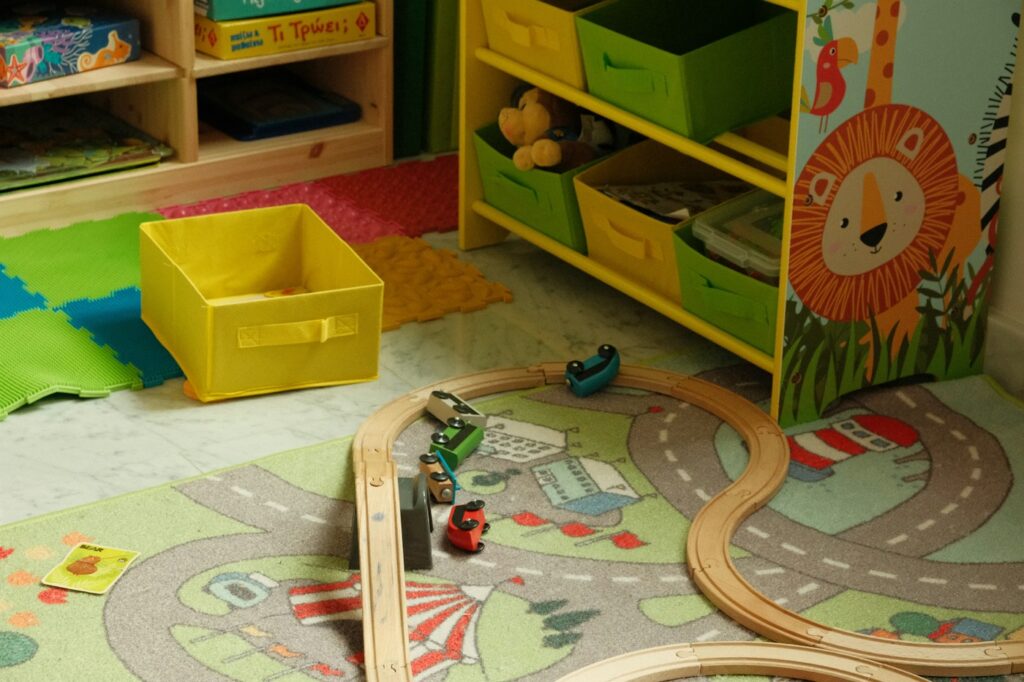 Edit the toys before the gifts arrive, give each kind of play one open bin on an anchored low shelf, keep small parts and spare batteries out of a toddler’s reach, skip latching lids and rotate the extras: thirteen toy storage ideas for the weeks before and after the holidays.
- Best Gift Wrap Organizers: 5 Picks for a Closet Corner, Under the Bed or the Back of a Door
 An upright box that holds up to 32 long rolls, a 41.5-inch under-bed bag for big collections, a water-resistant zip bag, an over-the-door organizer and a slim canvas case for eight rolls: five gift wrap organizers matched to the space you can give them.
- Cord and Cable Storage: 13 Ideas for the Spare Chargers, Cables and Adapters Nobody Can Find
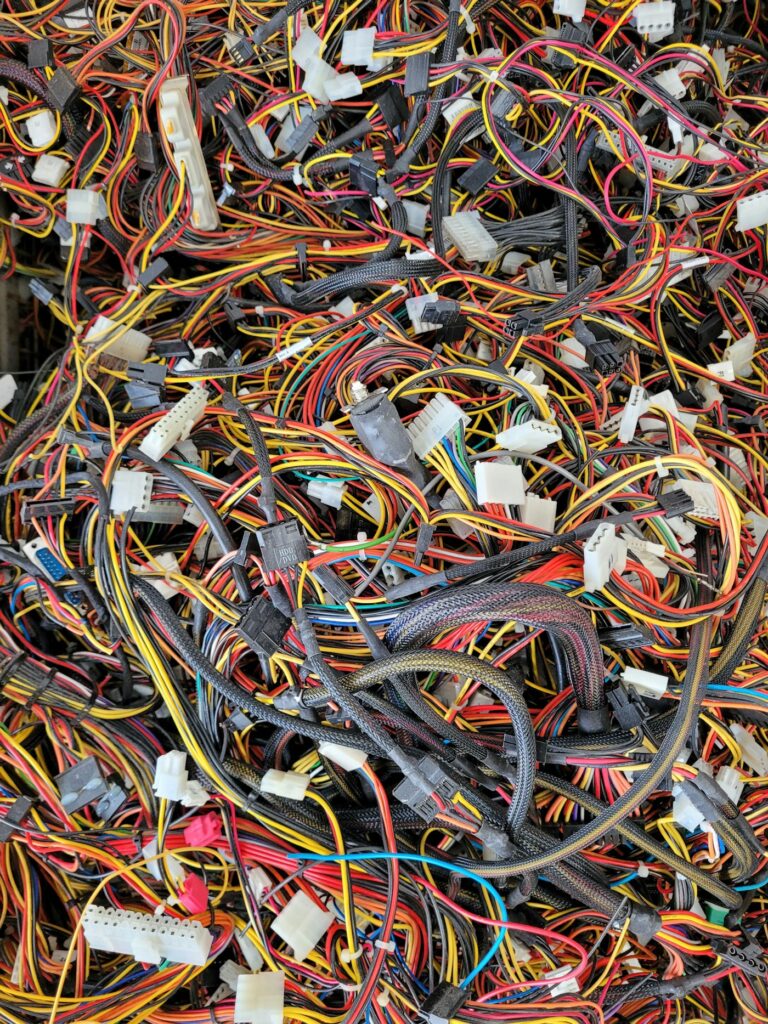 Match every cable to a device you still own, keep a sensible number of spares by connector type, coil them loosely, label the mystery bricks, hang the extension cords and send old batteries and dead cables to a proper drop-off: thirteen ways to store spare cords so the right one turns up in seconds.
- Window Condensation in Winter: Find Which Side the Water Is On, Then Match Humidity to the Forecast
 Do the wipe test to tell room-side fog from a failed seal, check a hygrometer against the outdoor low, keep humidity at or under 40% above 20°F and 30% below 10°F, run the fans, open the curtains by day and dry wet sills the same morning: a window condensation guide with a worked cold-week example.
- How to Clean a Range Hood Filter Before Holiday Cooking: Know Your Filter Type, Then Put It on the Calendar
 Wash metal mesh and baffle filters in hot soapy water or the dishwasher, replace charcoal filters instead of rinsing them, never run the hood with the filter out, and clean the weekend before Thanksgiving and again before Christmas: a range hood filter guide with a worked holiday cleaning calendar.
- Drying Clothes Indoors in Winter: Where the Rack Goes, How Much Rail You Need and What It Saves
 One load gives off about 2 liters of water as it air-dries, so put the rack where that moisture can leave, keep it 3 feet from the space heater, count inches of rail before you buy, space and turn the heavy things, watch humidity and window condensation, and know what the dryer you’re skipping really costs: indoor drying with the math.