If a load of towels needs a second cycle, most people blame the dryer. Often the dryer is fine and the problem is the duct behind it, slowly packing with lint. A clogged vent makes every load run longer, which you pay for on the electric bill, and it’s also the leading factor behind home dryer fires. The fix is usually a cheap brush and an hour on a Saturday.
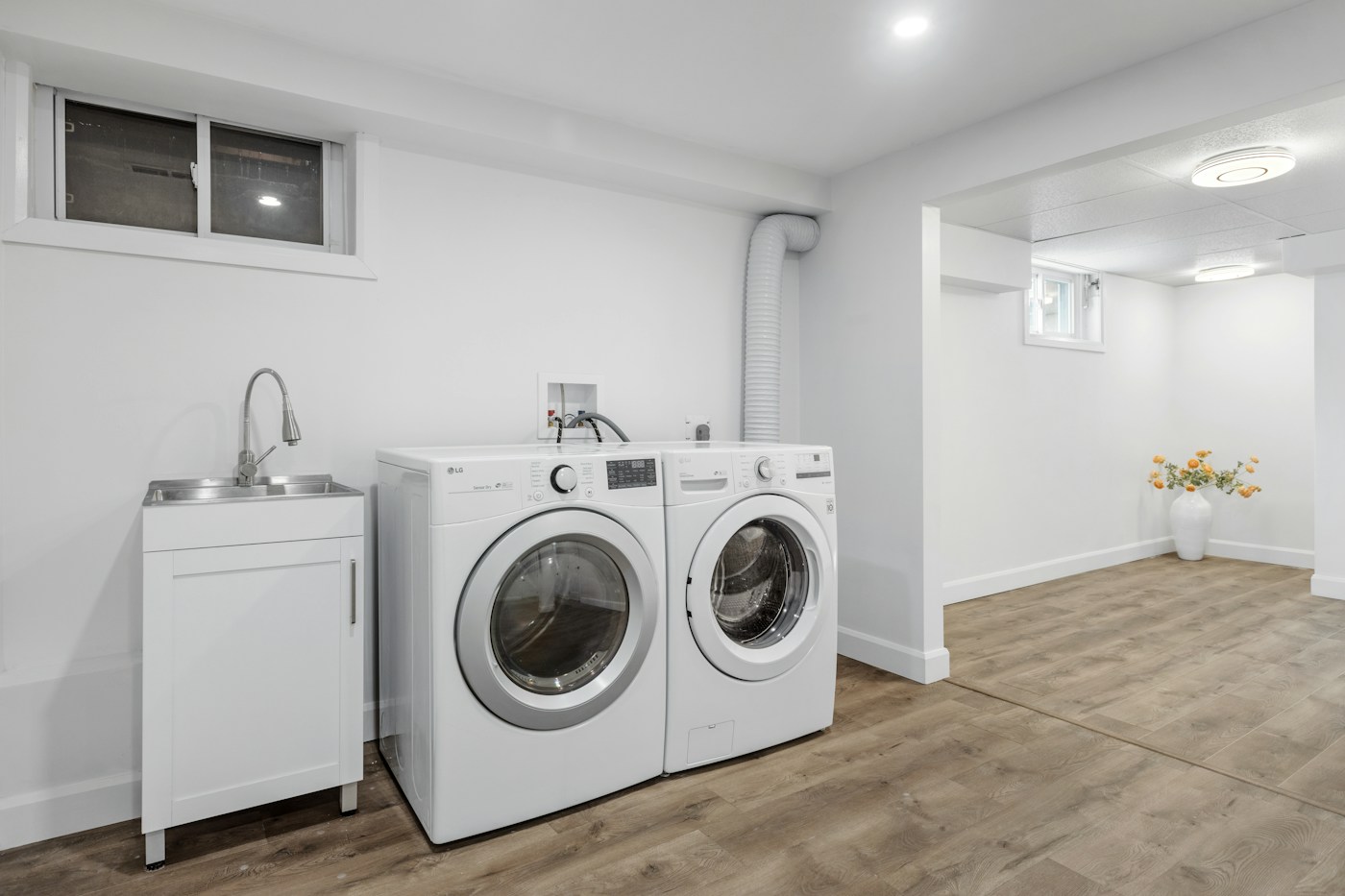
The U.S. Fire Administration estimates about 2,900 home clothes dryer fires each year, and failure to clean is the leading contributing factor. Clean the lint screen every load, clean the duct from the dryer to the outside wall regularly (at least once a year for most homes), make sure the outdoor flap opens freely, and replace plastic or foil accordion ducts with metal.
7 signs your dryer vent is clogged
- Clothes take longer than one cycle to dry. The most common early sign.
- The dryer or clothes are unusually hot at the end of a cycle.
- The laundry room feels humid or warm while the dryer runs.
- A burning or musty smell during drying. Stop the dryer and investigate before the next load.
- The outdoor vent flap barely opens, or you feel little air at the outside vent while the dryer is running.
- Lint collects around the outside vent or behind the dryer.
- Your dryer shows a “check vent” or airflow warning, if it has one.
Why it costs money
When air can’t escape, the dryer runs longer and its sensors keep calling for more time. If your loads routinely need an extra 20 minutes or a second cycle, that’s extra electricity (or gas) on every load, all winter. It also wears out the heating element and thermal fuses sooner.
Why it’s a fire risk
Lint is very flammable. As it builds up inside the duct, it traps heat. The U.S. Fire Administration estimates about 2,900 home dryer fires a year, causing an estimated 5 deaths, 100 injuries and $35 million in property loss, with failure to clean the leading factor. Dryer fires are more common in colder months, when laundry piles up and dryers run more.
How to clean a dryer vent
- Unplug the dryer (for a gas dryer, also turn off the gas valve and be careful not to kink or damage the gas line).
- Slide the dryer out and disconnect the duct from the back of the dryer and the wall.
- Vacuum the dryer’s outlet and the lint screen slot.
- Run a dryer vent brush through the duct and the wall vent, working from both ends if you can.
- Clean the outdoor vent: remove lint and any nest, and make sure the flap swings freely.
- Reconnect with clamps, push the dryer back without crushing the duct, and run the 30-second test.
If the duct run is long, goes through the roof, or has several bends, a professional dryer vent cleaning can be worth it.
Upgrade the duct while you’re there
| Duct type | Verdict |
|---|---|
| Rigid metal | Best for the run inside walls; smooth inside, traps the least lint |
| Semi-rigid aluminum | Good for the short connection behind the dryer |
| Plastic or thin foil accordion | Replace it: it sags, traps lint and can crush easily |
- Keep the duct as short and straight as possible.
- Use foil tape or clamps, not screws, which catch lint inside.
- Leave room behind the dryer so the duct isn’t crushed. A low-profile dryer vent box can help in tight laundry closets; our laundry room shelving guide covers vent clearance behind the machines.
If you’re shopping
Affiliate disclosure: As an Amazon Associate I earn from qualifying purchases. These links open Amazon search results for each type of item, not recommendations for a specific model we’ve tested.
- Lint screen cleaned before or after every load.
- Duct cleaned at least once a year.
- Outdoor flap opens and closes freely.
- No plastic or foil accordion duct.
- Dryer never left running when you leave the house or go to bed.
- Smoke alarm working near the laundry area.
Questions
How often should a dryer vent be cleaned?
Clean the lint screen every load and the duct at least once a year. Large families, long duct runs or pets usually mean more often.
Can I use a leaf blower to clean the vent?
Some people blow lint out from inside to outside, but it can push debris deeper if the duct is crushed or has many bends. A brush that physically pulls lint out is more reliable.
Does washing the lint screen help?
Yes. Dryer sheets can leave a film that blocks airflow. Rinse the screen with warm soapy water now and then, and let it dry fully before putting it back.
Sources: U.S. Fire Administration, clothes dryer fires in residential buildings · National Fire Protection Association, clothes dryer safety tips. General guidance; follow your dryer manufacturer’s instructions. See our editorial policy.

Keep reading
More guides for your home
THE KINDRED JOURNAL
Latest from the journal
- Window Insulation Film: Does It Work? Sort Your Windows First, Then Do the Math
 Shrink film adds about R-1 and stops sash drafts, so it roughly halves heat loss through single-pane glass but barely helps a tight low-e window: sort your windows with the paper test, work out one window’s savings, keep the tape on trim and plan the way out of bedrooms.
- What Holiday Lights Really Cost to Run: LED vs. Incandescent, With the Math for Your Own Display
 Read the watts off each tag, multiply by your hours and your own rate, and the answer is clear: eight incandescent strings cost about $25.70 a season in our worked example and their LED versions about $2.18, big C9 bulbs pay back an LED swap in about three seasons, and working mini lights can wait.
- Ideal Indoor Humidity in Winter: Find Your Number, Check Your Meter, Then Add Only What the Room Needs
 Aim for 30 to 50% and never humidify past 50%, let the windows set the limit on the coldest nights, salt-test your hygrometer before you trust it, seal drafts first because a whole bedroom needs only about 4½ ounces of water, and clean the tank on a schedule: a winter humidity guide with the math worked out.
- Toy Storage Ideas: 13 Ways to Make Room Before the Holiday Toy Wave
 Edit the toys before the gifts arrive, give each kind of play one open bin on an anchored low shelf, keep small parts and spare batteries out of a toddler’s reach, skip latching lids and rotate the extras: thirteen toy storage ideas for the weeks before and after the holidays.
- Best Gift Wrap Organizers: 5 Picks for a Closet Corner, Under the Bed or the Back of a Door
 An upright box that holds up to 32 long rolls, a 41.5-inch under-bed bag for big collections, a water-resistant zip bag, an over-the-door organizer and a slim canvas case for eight rolls: five gift wrap organizers matched to the space you can give them.
- Cord and Cable Storage: 13 Ideas for the Spare Chargers, Cables and Adapters Nobody Can Find
 Match every cable to a device you still own, keep a sensible number of spares by connector type, coil them loosely, label the mystery bricks, hang the extension cords and send old batteries and dead cables to a proper drop-off: thirteen ways to store spare cords so the right one turns up in seconds.
- Window Condensation in Winter: Find Which Side the Water Is On, Then Match Humidity to the Forecast
 Do the wipe test to tell room-side fog from a failed seal, check a hygrometer against the outdoor low, keep humidity at or under 40% above 20°F and 30% below 10°F, run the fans, open the curtains by day and dry wet sills the same morning: a window condensation guide with a worked cold-week example.
- How to Clean a Range Hood Filter Before Holiday Cooking: Know Your Filter Type, Then Put It on the Calendar
 Wash metal mesh and baffle filters in hot soapy water or the dishwasher, replace charcoal filters instead of rinsing them, never run the hood with the filter out, and clean the weekend before Thanksgiving and again before Christmas: a range hood filter guide with a worked holiday cleaning calendar.
- Drying Clothes Indoors in Winter: Where the Rack Goes, How Much Rail You Need and What It Saves
 One load gives off about 2 liters of water as it air-dries, so put the rack where that moisture can leave, keep it 3 feet from the space heater, count inches of rail before you buy, space and turn the heavy things, watch humidity and window condensation, and know what the dryer you’re skipping really costs: indoor drying with the math.