You didn’t touch the thermostat, yet January’s electric bill is far higher than October’s. It’s not your imagination, and it’s not always the heater you think. Winter quietly changes how almost every appliance in the house behaves. Here’s what’s really driving the number, what federal forecasters expect this winter, and how to find the culprit in your own home.
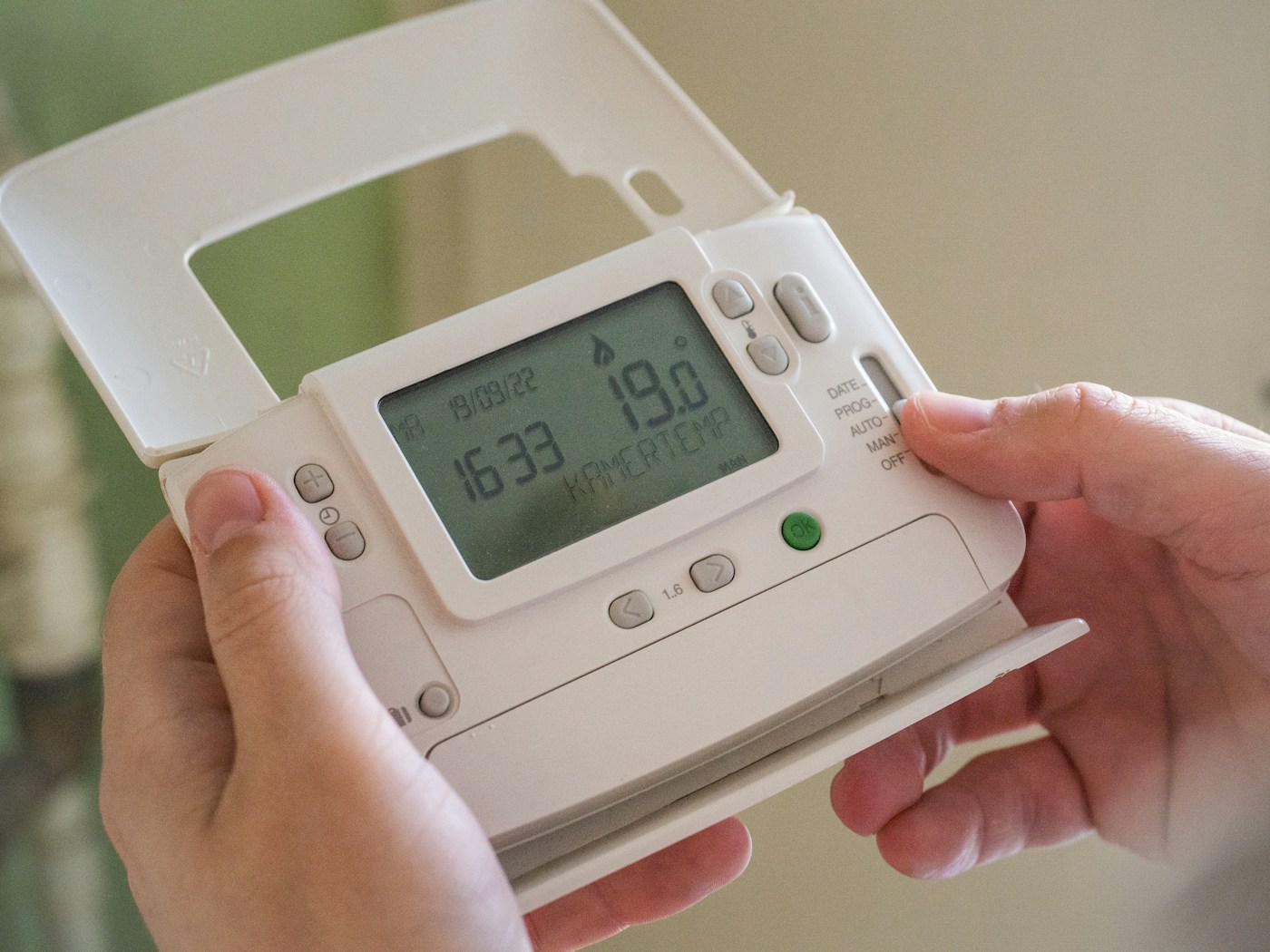
Winter bills rise because heating runs longer, backup heat kicks in, water starts colder, days are shorter and everyone is home more. Prices are rising too: the U.S. Energy Information Administration expects homes that heat with electricity to spend about 4% more this winter. Compare your kilowatt-hours, not just dollars, and check the few big loads below first.
What this winter looks like
In its October 2026 Winter Fuels Outlook, the EIA forecasts that households heating mainly with electricity will spend about $1,196 from November through March, up 4% from last winter, as residential electricity prices rise about 3%. Homes heating with natural gas are expected to spend less this year, while heating oil households face the biggest jump.
| Main heating fuel | Forecast winter spending | Change vs. last winter |
|---|---|---|
| Natural gas | About $640 | Down 9% |
| Electricity | About $1,196 | Up 4% |
| Propane | About $1,246 | Down 3% |
| Heating oil | About $2,115 | Up 21% |
U.S. averages for November 2026 through March 2027, EIA base case. Your bill depends on your home, your rates and the weather; EIA notes a strong El Niño could make temperatures swing from its forecast.
8 reasons your bill climbs in winter
1. Heat pump backup heat
Heat pumps are efficient, but on very cold days, or when you bump the thermostat up several degrees at once, many systems turn on electric resistance backup strips (often shown as “aux” or “emergency” heat). Resistance heat can use two to three times as much electricity for the same warmth. Small, steady thermostat changes help keep it off. Our guide to thermostat mistakes explains why.
2. Space heaters
A 1,500-watt heater running six hours a day adds about 270 kWh a month. It only saves money if you turn the central heat down; see space heater vs. central heat.
3. Your gas furnace still uses electricity
Even with gas heat, the furnace blower motor runs every time the heat cycles. Longer heating hours mean more electricity, especially if the fan is set to “on” instead of “auto.”
4. The water heater works harder
Water entering your home is colder in winter, so an electric water heater has to add more heat to every gallon, and long hot showers feel even better. Turning the tank to about 120°F helps; here’s how to check and adjust it.
5. More dryer loads
Heavy sweaters, towels and no line-drying weather add up. A clogged dryer vent makes every load run longer, so it’s worth checking now.
6. Shorter days and more time at home
Lights come on earlier, and TVs, game consoles and computers run more hours. Holiday lights and heated mattress pads add their share.
7. Phantom power
Devices left in standby keep drawing power all winter. Our phantom power guide shows how to find and cut it.
8. A longer billing period
Billing cycles vary from about 28 to 33 days. Holiday meter-reading schedules or an estimated reading can make one month look worse than it is. Always compare usage in kWh and the number of days billed. Our line-by-line guide to reading your electric bill shows where to find both.
Ways to cut it this winter
- Seal drafts first. It’s cheap and makes every heating hour count. Start with the 9 places homes lose heat.
- Set it and leave it. Avoid big thermostat swings that trigger backup heat.
- Ask your utility about rate plans and budget billing to spread winter costs over the year.
- Measure big loads with a plug-in energy monitor or smart plug for a week.
- Get your heating system serviced so it isn’t running longer than it should.
If you’re shopping
Affiliate disclosure: As an Amazon Associate I earn from qualifying purchases. These links open Amazon search results for each type of item, not recommendations for a specific model we’ve tested.
- Daily kWh compared with the same month last year.
- Heat pump “aux heat” light watched on cold mornings.
- Furnace fan set to auto.
- Water heater near 120°F.
- Dryer vent and lint screen clean.
- Space heater use matched with a lower thermostat.
Questions
Why is my bill higher in winter if I heat with gas?
Your furnace fan, more lighting, more laundry and more time at home all use electricity. Your gas bill covers the heat itself; the electric bill covers almost everything else.
Is budget billing worth it?
It doesn’t lower your total cost, but it smooths payments by averaging your usage over the year, which can make winter months easier to handle.
Should I switch my heating fuel to save money?
Not based on national averages alone. The EIA cautions that homes using different fuels differ in size, climate and efficiency, so switching won’t necessarily lower your costs.
Sources: U.S. Energy Information Administration, Winter Fuels Outlook 2026–27. General guidance; check your own bill and utility rate plans. See our editorial policy.
Related: How to read your electric bill · Best heated throw blankets
Keep reading
More guides for your home
THE KINDRED JOURNAL
Latest from the journal
- Ideal Indoor Humidity in Winter: Find Your Number, Check Your Meter, Then Add Only What the Room Needs
 Aim for 30 to 50% and never humidify past 50%, let the windows set the limit on the coldest nights, salt-test your hygrometer before you trust it, seal drafts first because a whole bedroom needs only about 4½ ounces of water, and clean the tank on a schedule: a winter humidity guide with the math worked out.
- Toy Storage Ideas: 13 Ways to Make Room Before the Holiday Toy Wave
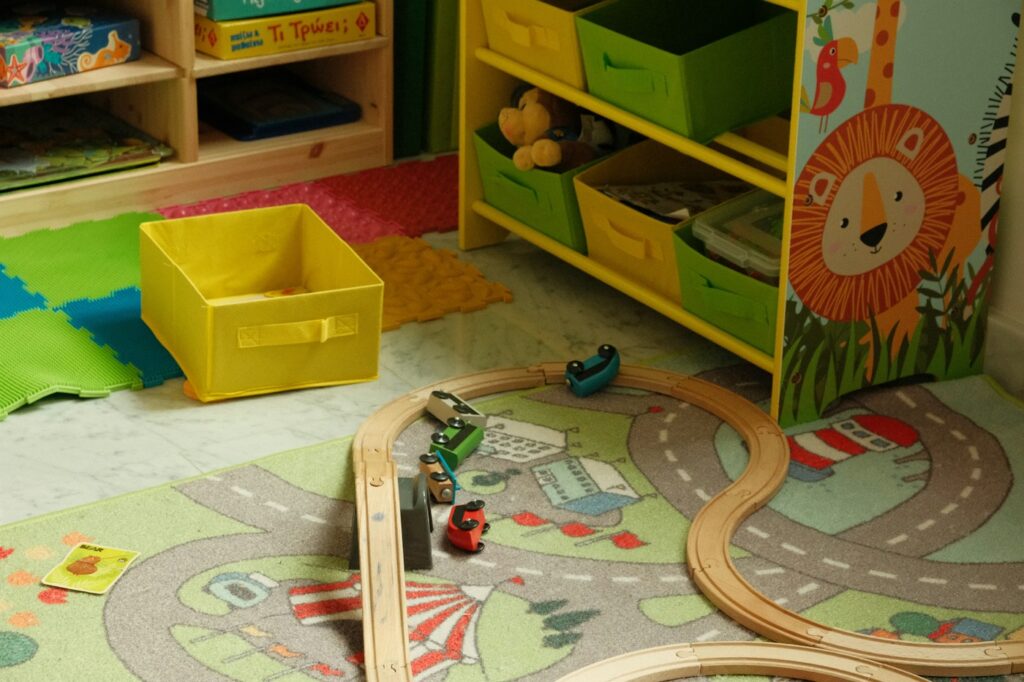 Edit the toys before the gifts arrive, give each kind of play one open bin on an anchored low shelf, keep small parts and spare batteries out of a toddler’s reach, skip latching lids and rotate the extras: thirteen toy storage ideas for the weeks before and after the holidays.
- Best Gift Wrap Organizers: 5 Picks for a Closet Corner, Under the Bed or the Back of a Door
 An upright box that holds up to 32 long rolls, a 41.5-inch under-bed bag for big collections, a water-resistant zip bag, an over-the-door organizer and a slim canvas case for eight rolls: five gift wrap organizers matched to the space you can give them.
- Cord and Cable Storage: 13 Ideas for the Spare Chargers, Cables and Adapters Nobody Can Find
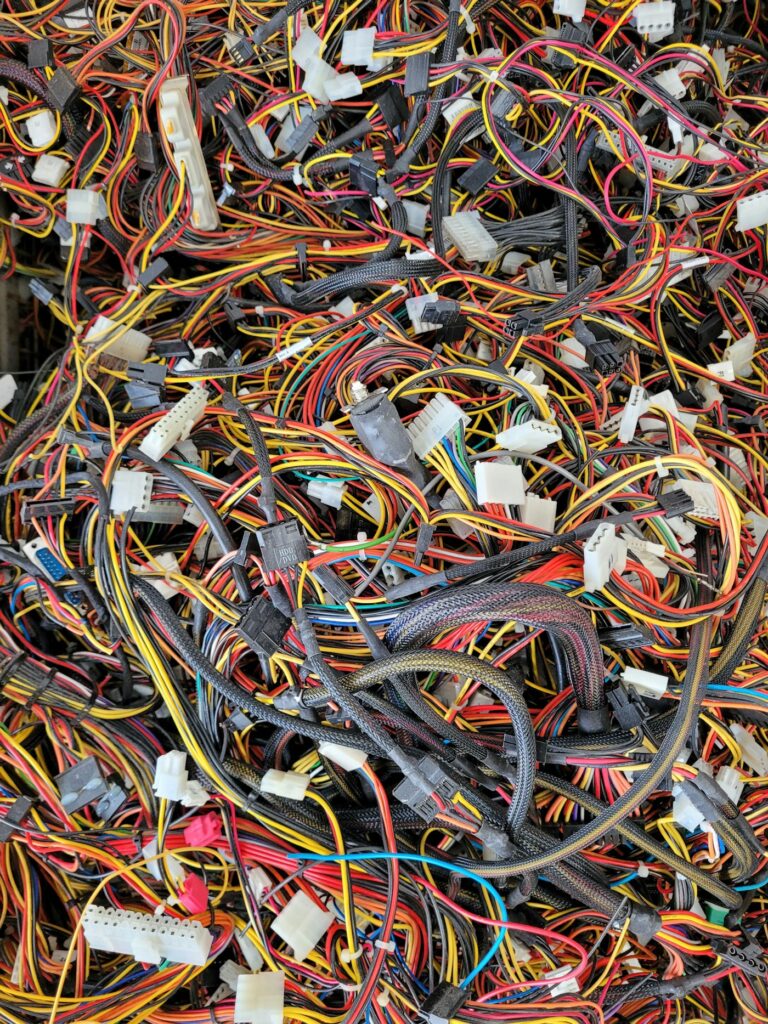 Match every cable to a device you still own, keep a sensible number of spares by connector type, coil them loosely, label the mystery bricks, hang the extension cords and send old batteries and dead cables to a proper drop-off: thirteen ways to store spare cords so the right one turns up in seconds.
- Window Condensation in Winter: Find Which Side the Water Is On, Then Match Humidity to the Forecast
 Do the wipe test to tell room-side fog from a failed seal, check a hygrometer against the outdoor low, keep humidity at or under 40% above 20°F and 30% below 10°F, run the fans, open the curtains by day and dry wet sills the same morning: a window condensation guide with a worked cold-week example.
- How to Clean a Range Hood Filter Before Holiday Cooking: Know Your Filter Type, Then Put It on the Calendar
 Wash metal mesh and baffle filters in hot soapy water or the dishwasher, replace charcoal filters instead of rinsing them, never run the hood with the filter out, and clean the weekend before Thanksgiving and again before Christmas: a range hood filter guide with a worked holiday cleaning calendar.
- Drying Clothes Indoors in Winter: Where the Rack Goes, How Much Rail You Need and What It Saves
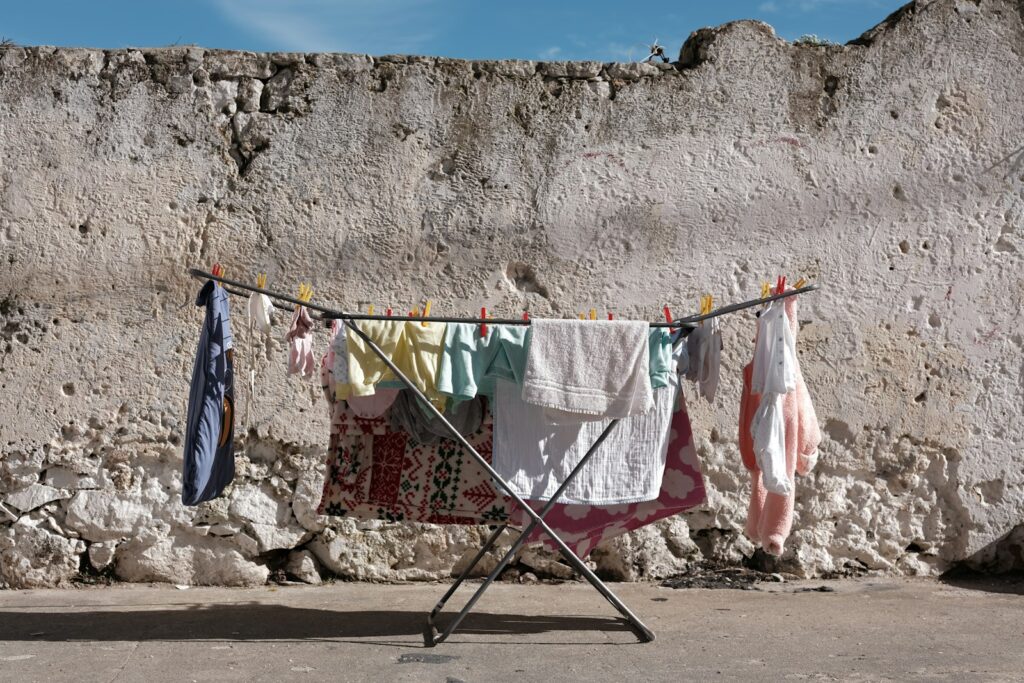 One load gives off about 2 liters of water as it air-dries, so put the rack where that moisture can leave, keep it 3 feet from the space heater, count inches of rail before you buy, space and turn the heavy things, watch humidity and window condensation, and know what the dryer you’re skipping really costs: indoor drying with the math.
- Hat, Glove and Scarf Storage by the Door: One Bin Per Person, Sized to What They Actually Wear
 Keep a daily set plus one dry spare per person, size an open bin for each from a quick measurement, dry wet mittens before they go in, clip pairs together, hang woven scarves and fold knits, skip long scarves on the playground and wash wool before it’s sealed away: a hat and glove station with a worked bin-size example.
- Guest Room That Doubles as Storage: Pick the Bed by Floor Space, Keep the Window Clear
 Count the nights the room really hosts, compare bed footprints before comfort, put storage on one wall behind a curtain, keep the window and door clear, leave guests half the closet and one drawer, and pack a single guest bin: a storage room that turns into a guest room in fifteen minutes, with a worked 10 by 11 foot example.