Holiday stains rarely arrive one at a time. By the end of a big dinner there’s a splash of red wine by one plate, a gravy drip by another, a ring of candle wax near the centerpiece and a smear of cranberry sauce on someone’s sleeve. Scrubbing with the nearest sponge, or throwing the whole cloth in a hot wash, can make things worse. The trick that cleaning guides from university extension services keep coming back to is simpler: work out which kind of stain you’re looking at, because wine, grease, wax and food proteins each need a different first move. This guide sorts the usual holiday spills into four families, gives you the first five minutes for each, and shows how to work through a stained tablecloth the morning after without setting anything for good.
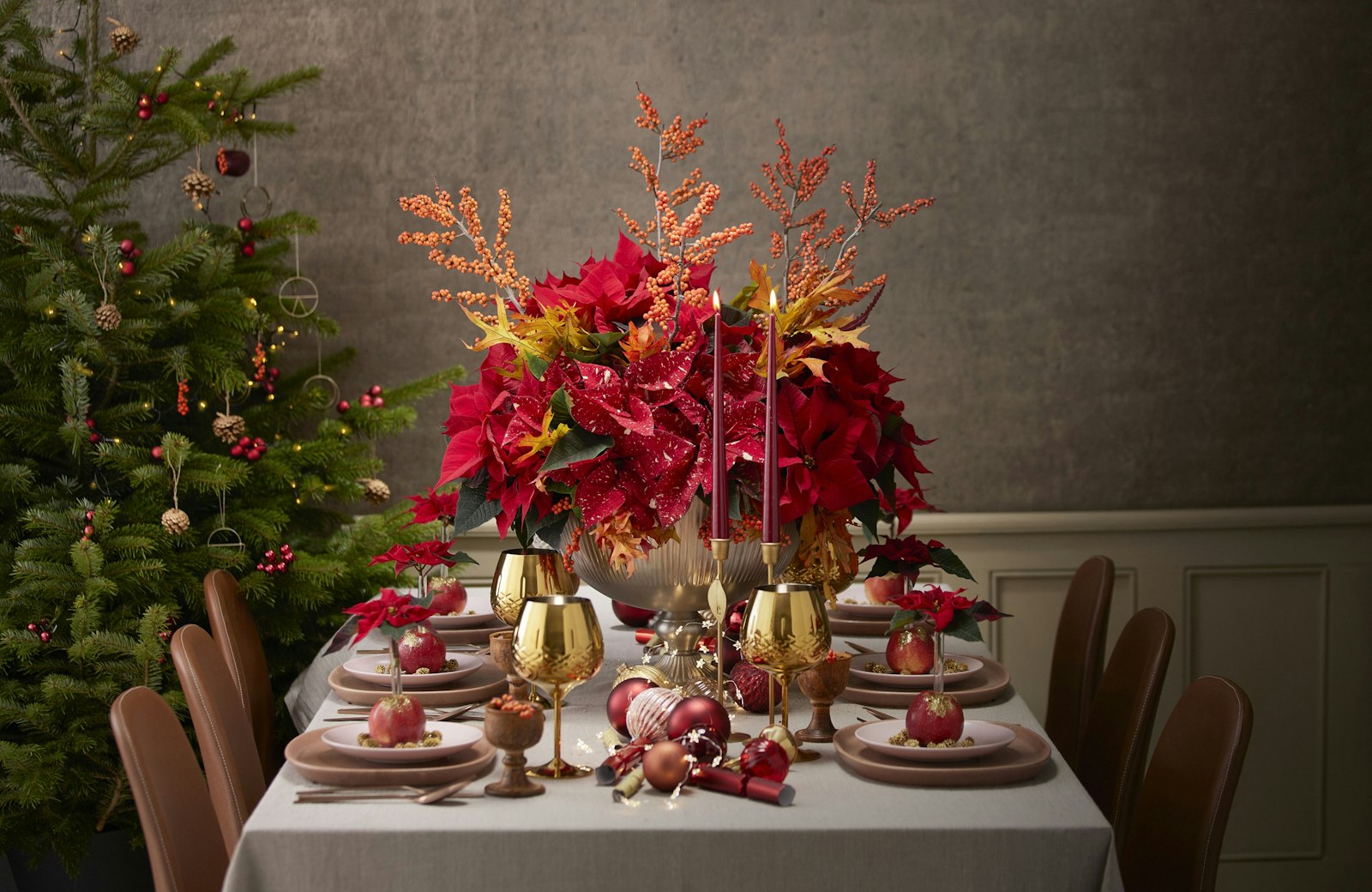
Blot, don’t rub, and treat from the back of the fabric so the stain is pushed out rather than in. Wine and cranberry get cool water first; gravy, butter and turkey fat get dish soap or a prewash and later the hottest wash the fabric allows; wax gets hardened, scraped and ironed out between paper towels; milk, eggnog and egg get an enzyme soak. Test any product on a hidden seam first, never mix chlorine bleach with ammonia, and check the spot before anything goes in the dryer, because the American Cleaning Institute warns that heat can make a stain permanent.
The three rules that apply to every spill
1. Get to it while it’s wet
Iowa State University Extension’s AnswerLine team points out that fresh stains are far easier to lift than ones that have sat more than 24 hours. You don’t need to leave the table mid-toast, but scraping off the solids and blotting up the liquid within a few minutes does more than any product you use the next day. Keep white paper towels, a dull butter knife and plain dish soap within reach during the meal.
2. Blot from the outside in, and work from the back
Rubbing spreads a stain and grinds it into the fibers. Press a white cloth onto the spot, lift, and move to a clean area of the cloth each time. When you can get at the back of the fabric, lay the stained area face down on a folded white towel and apply water or pretreatment from the reverse side. Mississippi State University Extension recommends exactly this, because it forces the stain back out the way it came instead of through the full thickness of the cloth.
3. Test, then treat, then check before drying
Before using a stain remover, oxygen bleach or rubbing alcohol on a tablecloth, napkin or sweater you care about, dab a little on an inside seam or hem. Mississippi State’s guide suggests leaving it for 2 to 5 minutes, rinsing, and stopping if the color shifts. After washing, look at the spot in good light while the fabric is still damp. If any shadow remains, treat it again and rewash. The dryer is the point of no return.
Try it if you want one habit that saves most holiday linens: nothing stained goes in the dryer until you’ve looked at it wet. Skip it if the item is labeled dry clean only; blot it gently with plain water and take it to a cleaner soon, pointing out the stain and what it was.
Sort the stain into one of four families
Almost every holiday spill fits one of these groups. The family tells you which water temperature and which product to reach for first.
| Family | Holiday examples | First move | Avoid |
|---|---|---|---|
| Tannin and fruit | Red and white wine, cranberry sauce, cider, coffee, tea | Blot, then cool water | Letting it dry before you treat it |
| Grease and oil | Gravy, butter, turkey fat, salad dressing | Scrape, then dish soap or prewash | Leaving it on polyester; it darkens over time |
| Wax | Taper and pillar candles | Harden with ice, scrape | Pulling it off while soft |
| Protein | Eggnog, milk, cream sauce, egg | Enzyme presoak | Hot water before the stain is out |
Mixed foods such as pumpkin pie or chocolate combine families: start with the gentle step (cool water, enzyme) and finish with the grease treatment.
Wine and cranberry
4. Red wine on a tablecloth
Blot up as much as you can with white paper towels. Iowa State’s holiday guide then gives two options: sprinkle table salt or baking soda on the spot to draw out liquid, or pour club soda over it, let it sit at least 10 minutes and blot again. The American Cleaning Institute (ACI) suggests sponging with cool water or soaking the area for about 30 minutes, then applying a prewash stain remover before laundering. In the wash, Iowa State recommends an oxygen-based laundry product or the hottest water the care label allows; ACI adds that chlorine bleach is fine if the fabric can take it, which on a white cotton tablecloth it often can. Hang it to dry so you can recheck.
5. White wine and cider
White wine barely shows when it lands, which is why it gets forgotten. Iowa State notes that the sugars in it turn brown as they age, so launder the cloth soon rather than waiting until the decorations come down.
6. Cranberry sauce and other fruit
Lift off the solid sauce with a spoon first; wiping it spreads the sauce. Iowa State recommends running cold water through the back of the fabric, then washing in the warmest water safe for the fabric with an oxygen-bleach product. For carpet or a fabric chair, it suggests 1 tablespoon of liquid hand dishwashing detergent in 2 cups of cold water, sponged on and blotted, followed by baking soda and a vacuum if a mark is left after drying. ACI also lists an enzyme product as a pretreatment for fruit and juice stains.
Gravy, butter and turkey fat
7. Scrape, soap and wait 10 minutes
Gravy is the stain most worth dealing with the same night. Scrape off the excess with a dull knife. Iowa State’s guide recommends rubbing liquid dish soap into the spot and letting it sit about 10 minutes before laundering in the hottest water safe for the fabric with an oxygen-bleach product, or using an enzyme prewash. Mississippi State and ACI give the same basic plan for light grease stains: a prewash spray or liquid detergent, then the hottest wash the fabric allows.
8. Heavy grease, and why polyester needs speed
For a large splash of pan drippings, ACI and Mississippi State both describe laying the cloth face down on paper towels, applying a cleaning fluid to the back, changing the towels often as they absorb the grease, letting it dry, rinsing and then washing hot. Iowa State adds a warning worth knowing if your holiday tablecloth is a wrinkle-free polyester blend: oil stains on polyester get darker with time, so these are the ones to treat that night rather than the next weekend.
Candle wax
9. Freeze it, scrape it, then iron it out
Let the wax harden completely, or speed it up with a bag of ice. Scrape off what you can with a dull knife, holding the blade flat so you don’t snag the threads. Then put the waxy area between layers of plain white paper towels and press with a warm iron. ACI, Iowa State and Mississippi State all describe this same method: the paper pulls the melted wax up, so keep moving to clean towels until no more transfers. Sponge whatever residue remains with a prewash stain remover, let it dry, and launder.
10. Colored wax that leaves a tint
Red and green taper candles can leave dye behind once the wax is gone. Iowa State suggests finishing with rubbing alcohol on that tint; ACI suggests rewashing with chlorine bleach if the fabric is safe for it, or an oxygen bleach if not. Test the alcohol on a hidden spot first, especially on a printed or dyed cloth.
Try it if wax has dripped onto a cotton or linen tablecloth. Skip it if it’s on a rug with synthetic fibers or a table finish; use the ice-and-scrape step only and check the maker’s care guidance before you bring an iron near it. Next year, a runner under the candlesticks catches most drips before they reach the good cloth; our tablecloth storage guide covers keeping that runner with the set.
Eggnog, milk and egg
11. Enzyme soak, and hold off on the hot water
Dairy and egg are protein stains. ACI and Mississippi State both recommend an enzyme pretreatment or presoak: about 30 minutes for a fresh stain, several hours for one that’s dried. ACI’s general advice is that ordinary stains should come out in cold water, and it warns that hot water sets blood, another protein stain, so keep dairy and egg away from heat until they’re gone. Eggnog adds sugar and often a splash of something stronger, so after the enzyme soak, wash as usual and check before drying.
12. Lipstick on napkins
Cloth napkins pick up lipstick at every holiday dinner. ACI suggests placing the napkin stain-side down on paper towels and dabbing the back with 70 to 90 percent rubbing alcohol, moving to a fresh spot on the towel as the color transfers, then laundering. Mississippi State’s guide follows the same face-down approach with a prewash product, then rubs in light-duty liquid detergent until the outline disappears.
Worked example: the morning-after tablecloth
Say you’re facing a 60 by 102 inch white cotton tablecloth with a red wine splash, two gravy drips, a ring of red candle wax and a dried cranberry smear. Treat it in an order that keeps hot water away from anything that still needs cool water and do the wax first, while the cloth is still dry.
| Step | Stain | What you do | Hands-on time | Waiting time |
|---|---|---|---|---|
| 1 | Candle wax | Ice, scrape, iron between paper towels, dab tint with alcohol | 10 min | 5 min (ice) |
| 2 | Red wine | Cool-water soak from the back, blot | 3 min | 30 min |
| 3 | Cranberry | Run cold water through it during the same soak | 2 min | (shared with step 2) |
| 4 | Gravy (2 drips) | Rub in dish soap after the soak | 4 min | 10 min |
| 5 | All | Wash warmest the label allows with oxygen bleach; check wet, then hang | 5 min | about 1 hour (wash cycle) |
Before the wash, steps 1 to 4 take 10 + 3 + 2 + 4 = 19 minutes of hands-on work and 5 + 30 + 10 = 45 minutes of waiting. Done one after another, that puts the cloth in the machine 19 + 45 = 64 minutes after you start, a little over an hour, and with 5 minutes for loading and the wet check your total hands-on time is 19 + 5 = 24 minutes. Most of the hour is soaking, so you can clear the rest of the table meanwhile.
If the cranberry has also hit a dining chair seat, mix Iowa State’s carpet-and-upholstery ratio of 1 tablespoon dish detergent to 2 cups of cold water. You probably need only half that: 1 cup of water takes ½ tablespoon, and since 1 tablespoon is 3 teaspoons, that’s 1½ teaspoons. And if a tomato-based dish got onto napkins, Mississippi State suggests soaking them in cool water with ¼ cup of detergent per gallon. A 2-quart bowl is half a gallon, so it needs half of ¼ cup: 2 tablespoons, because ¼ cup is 4 tablespoons.
Keep the stain kit where the spills happen
A small caddy with dish soap, white cloths, an enzyme spray and a dull scraper on a high hall-closet shelf beats a trip to the laundry room mid-dinner, and the backstock can live on a shelf above the washer; our cleaning supply storage ideas show how to keep sprays out of children’s reach. A stain stick in the guest bathroom helps overnight visitors. And if linens now take two dryer cycles, read our dryer vent warning signs before the holidays.
Affiliate disclosure: As an Amazon Associate I earn from qualifying purchases. The links below are Amazon searches, not specific products we’ve tested or recommend over others.
- Oxygen bleach powder (Amazon search) ↗
- Enzyme laundry stain remover (Amazon search) ↗
- White cotton bar towels for blotting (Amazon search) ↗
- Plastic scrapers for wax and dried food (Amazon search) ↗
- Small cleaning caddy (Amazon search) ↗
Read the care label on your tablecloth and the directions on any stain product before you use them together.
- Solids scraped off and liquid blotted within a few minutes.
- White cloths only; no rubbing.
- Stain treated from the back, face down on a towel.
- Product tested on a hidden seam for 2 to 5 minutes.
- Wine and cranberry: cool water first.
- Gravy, butter and fat: dish soap or prewash, then the hottest safe wash.
- Wax: hardened, scraped, ironed out between paper towels.
- Eggnog, milk and egg: enzyme soak before any hot water.
- Chlorine bleach never mixed with ammonia.
- Every spot checked while wet before the dryer.
What if I already dried the tablecloth and the stain is still there?
Try again anyway. Grease stains often respond to another round of pretreatment and a hot wash with an oxygen-bleach product, and ACI suggests rewashing with a fabric-safe bleach when color remains. For white cottons or linens that have yellowed in storage, Mississippi State’s guide describes a long hot soak with extra detergent. Some set stains won’t fully come out, which is a good reason to check while wet next time.
Can I use chlorine bleach on any tablecloth?
Only when the care label allows it. Cornell Cooperative Extension’s stain guide warns against chlorine bleach on wool, silk and spandex, and many colored or printed cloths will fade. Oxygen bleach is the gentler choice for most colorfast fabrics, but still test it first. And never combine chlorine bleach with ammonia or ammonia-based cleaners: ACI and Mississippi State both warn the fumes are hazardous.
Sources: Iowa State University Extension and Outreach AnswerLine, Common Holiday Stain Removal Guide · American Cleaning Institute, Stain Removal Guide · Mississippi State University Extension, Stain Removal Guide (Publication 1400) · Cornell Cooperative Extension, Removing Stains at Home. General guidance; always follow the fabric’s care label and each product’s directions.
Keep reading
More guides for your space
THE KINDRED JOURNAL
Latest from the journal
- Toy Storage Ideas: 13 Ways to Make Room Before the Holiday Toy Wave
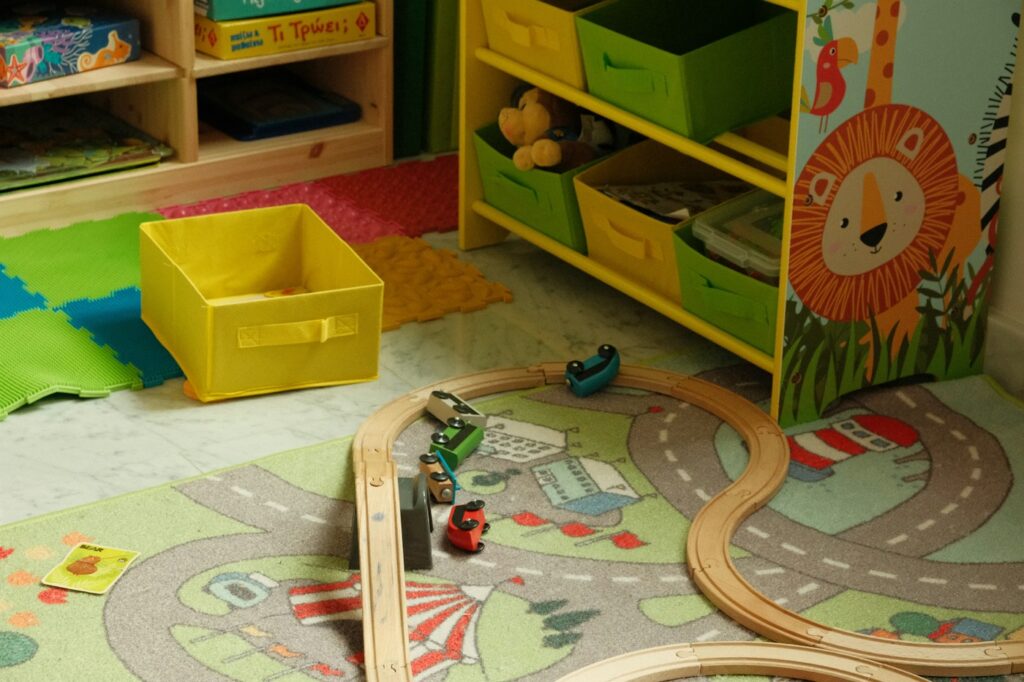 Edit the toys before the gifts arrive, give each kind of play one open bin on an anchored low shelf, keep small parts and spare batteries out of a toddler’s reach, skip latching lids and rotate the extras: thirteen toy storage ideas for the weeks before and after the holidays.
- Best Gift Wrap Organizers: 5 Picks for a Closet Corner, Under the Bed or the Back of a Door
 An upright box that holds up to 32 long rolls, a 41.5-inch under-bed bag for big collections, a water-resistant zip bag, an over-the-door organizer and a slim canvas case for eight rolls: five gift wrap organizers matched to the space you can give them.
- Cord and Cable Storage: 13 Ideas for the Spare Chargers, Cables and Adapters Nobody Can Find
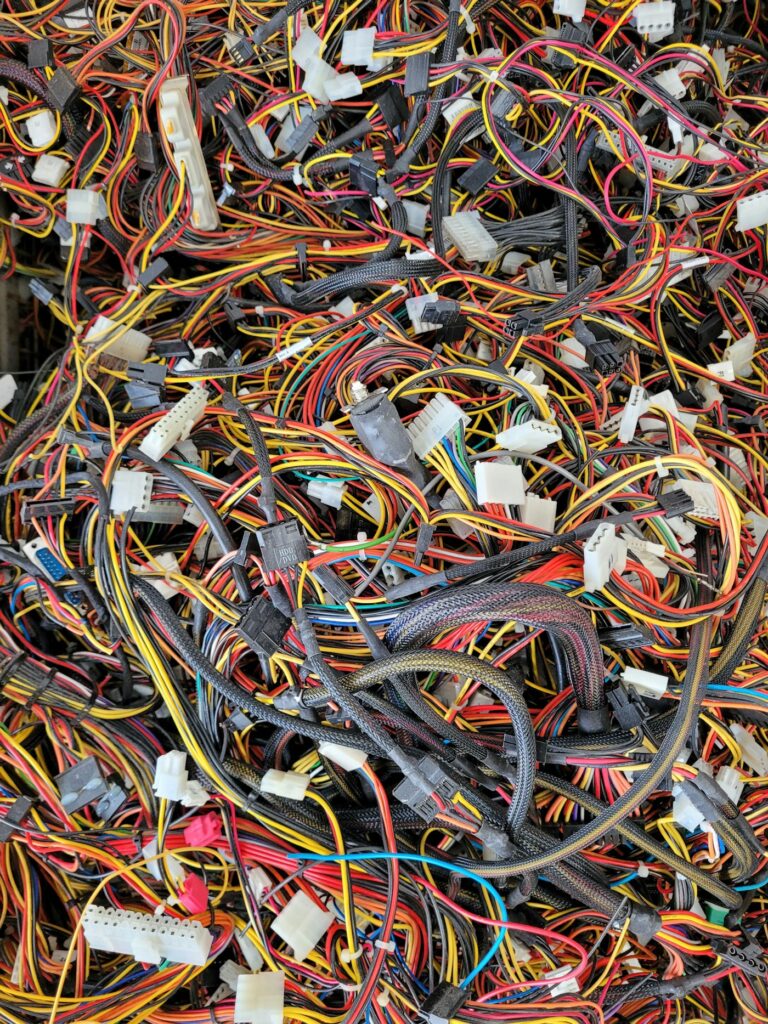 Match every cable to a device you still own, keep a sensible number of spares by connector type, coil them loosely, label the mystery bricks, hang the extension cords and send old batteries and dead cables to a proper drop-off: thirteen ways to store spare cords so the right one turns up in seconds.
- Window Condensation in Winter: Find Which Side the Water Is On, Then Match Humidity to the Forecast
 Do the wipe test to tell room-side fog from a failed seal, check a hygrometer against the outdoor low, keep humidity at or under 40% above 20°F and 30% below 10°F, run the fans, open the curtains by day and dry wet sills the same morning: a window condensation guide with a worked cold-week example.
- How to Clean a Range Hood Filter Before Holiday Cooking: Know Your Filter Type, Then Put It on the Calendar
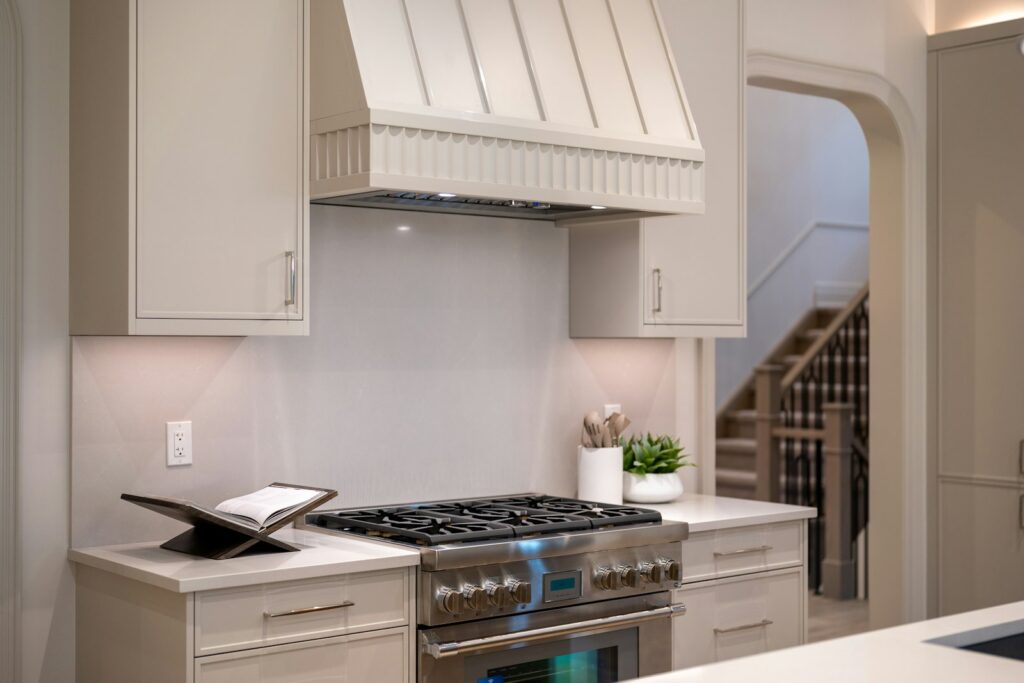 Wash metal mesh and baffle filters in hot soapy water or the dishwasher, replace charcoal filters instead of rinsing them, never run the hood with the filter out, and clean the weekend before Thanksgiving and again before Christmas: a range hood filter guide with a worked holiday cleaning calendar.
- Drying Clothes Indoors in Winter: Where the Rack Goes, How Much Rail You Need and What It Saves
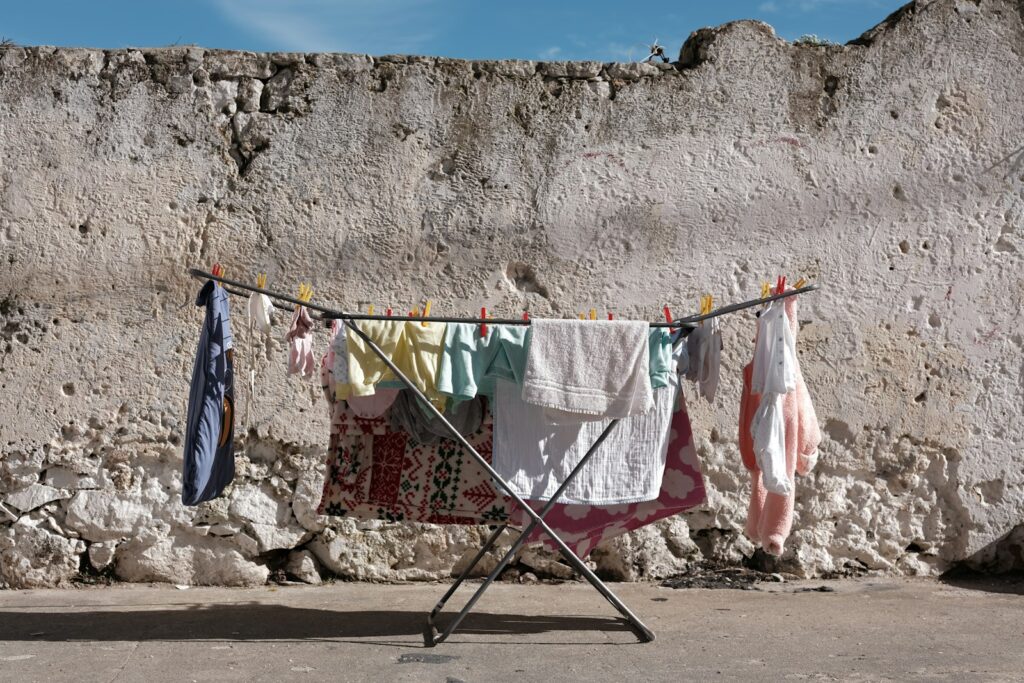 One load gives off about 2 liters of water as it air-dries, so put the rack where that moisture can leave, keep it 3 feet from the space heater, count inches of rail before you buy, space and turn the heavy things, watch humidity and window condensation, and know what the dryer you’re skipping really costs: indoor drying with the math.
- Hat, Glove and Scarf Storage by the Door: One Bin Per Person, Sized to What They Actually Wear
 Keep a daily set plus one dry spare per person, size an open bin for each from a quick measurement, dry wet mittens before they go in, clip pairs together, hang woven scarves and fold knits, skip long scarves on the playground and wash wool before it’s sealed away: a hat and glove station with a worked bin-size example.
- Guest Room That Doubles as Storage: Pick the Bed by Floor Space, Keep the Window Clear
 Count the nights the room really hosts, compare bed footprints before comfort, put storage on one wall behind a curtain, keep the window and door clear, leave guests half the closet and one drawer, and pack a single guest bin: a storage room that turns into a guest room in fifteen minutes, with a worked 10 by 11 foot example.
- Dining Room Storage for Holiday Hosting: Measure the Walkway First, Then Fit the Sideboard
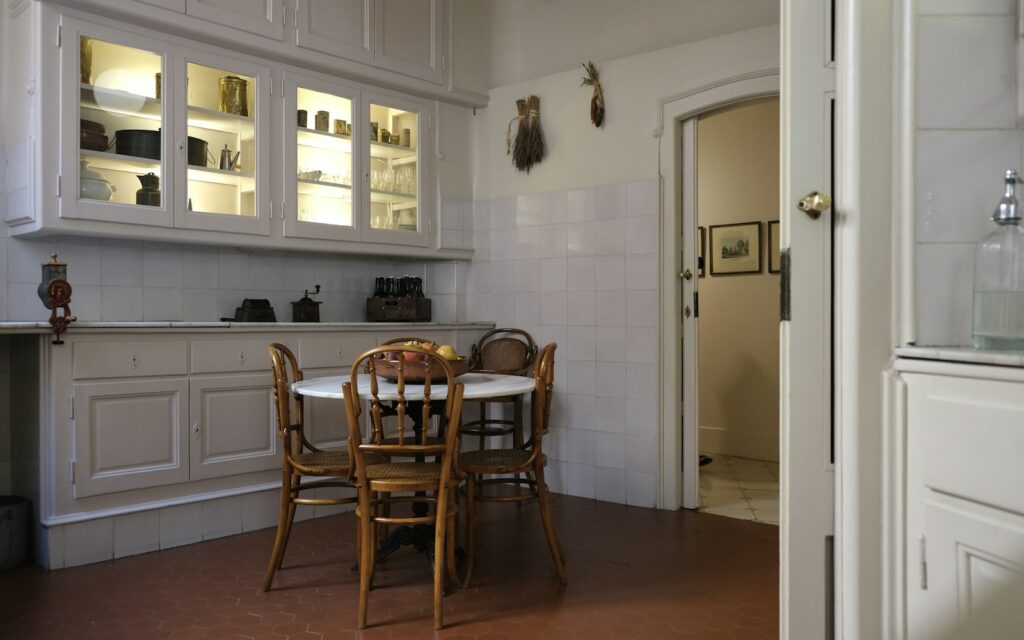 Measure the table with the leaf in, leave 44 inches where people walk and 32 where nobody passes, subtract the sideboard’s depth before you buy, anchor the hutch and give the leaf, extra chairs and holiday linens a home: dining room storage planned for the biggest night of the year, with a worked placement example.