The most common garage mistake in November is buying storage first. A new shelf goes up, the summer stuff stays exactly where it was, and in January the snow shovel is still behind the lawn mower while the car sits in the driveway under a layer of ice. Winter changes what you need to grab and how often, so the fix starts with moving things around, not adding to them. These fourteen ideas get the shovels, salt and boots up front, the summer gear and holiday bins out of the way, and the risky stuff stored the way fire and health agencies advise.
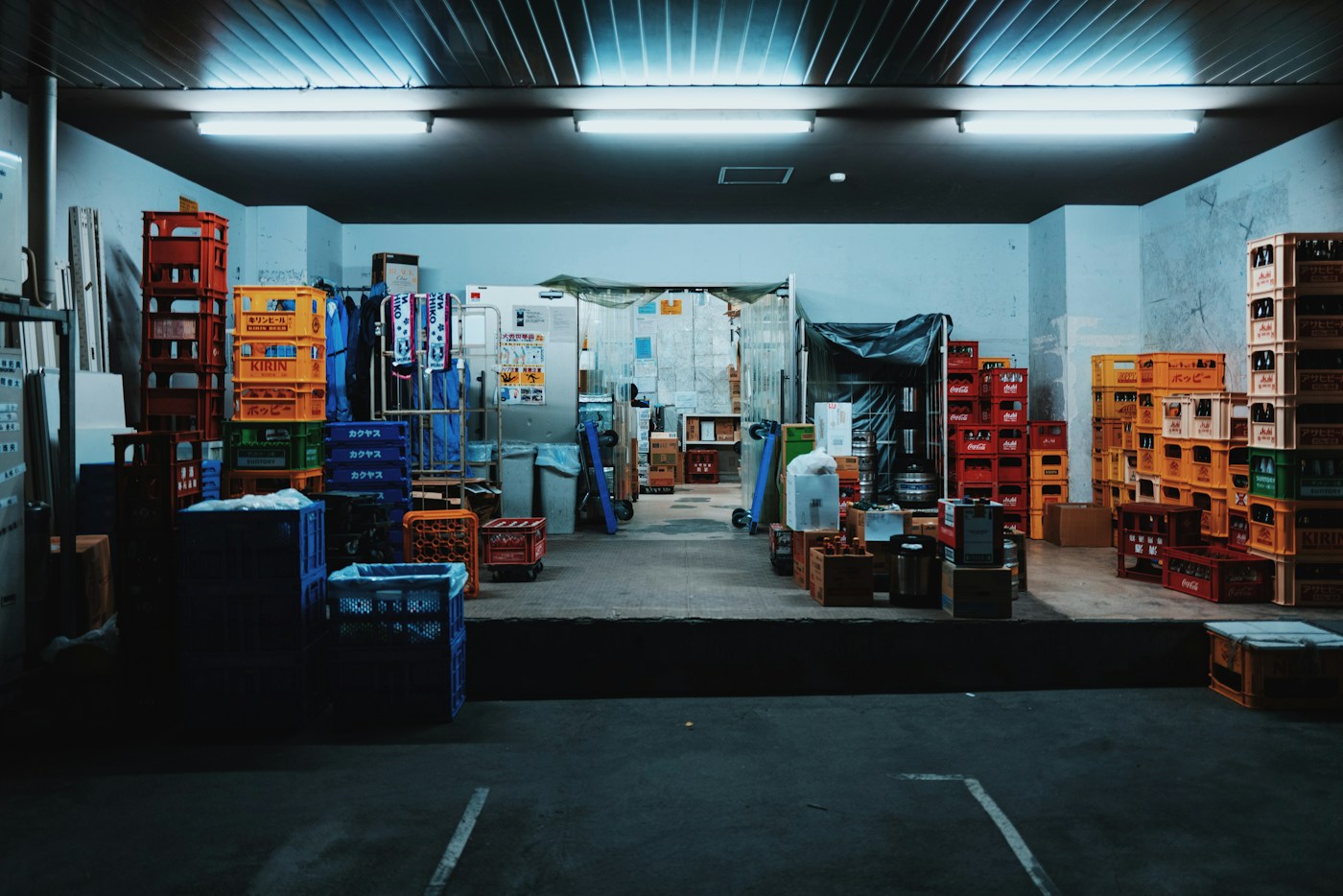
Clear the floor before you buy anything. Swap seasons so winter gear sits near the door and summer gear moves up or back. Give shovels, ice melt and wet boots one station by the house door. Put holiday bins overhead or on the top shelf and label them. Bring paint and anything that can freeze indoors. Keep gasoline in an approved can away from the water heater, propane tanks outside, and never warm up the car in an attached garage.
Start with space, not shelves
1. Do a fifteen-minute floor sweep
Set a timer and pull everything off the floor that doesn’t belong there: empty boxes, recycling, the bag for donation that never left. Sort into keep, donate, trash and “belongs inside.” You’ll find out how much room you have before you spend money on more storage. Our garage wall storage plan covers the next step, mapping the walls into reach zones.
Try it if you can’t currently walk around the car with the doors open.
2. Swap the seasons, front to back
Anything you’ll use weekly from December to March goes within a few steps of the door: shovels, ice melt, a broom, the scraper, sleds. Summer gear like the mower, hoses, coolers, beach chairs and pool toys goes to the back wall, the high shelf or overhead. It’s the same idea as a closet swap, just with bigger things. If the hoses are still connected outside, our frozen pipes guide explains why to drain and bring them in now.
3. Tape a parking box before you store anything new
Measure the car with its doors open and mark that outline on the floor with painter’s tape. Storage goes outside the box, never in it. Our guide to fitting the car in the garage has the math and a worked example. Parking inside on a snowy morning saves scraping, and it’s the payoff for the rest of this list.
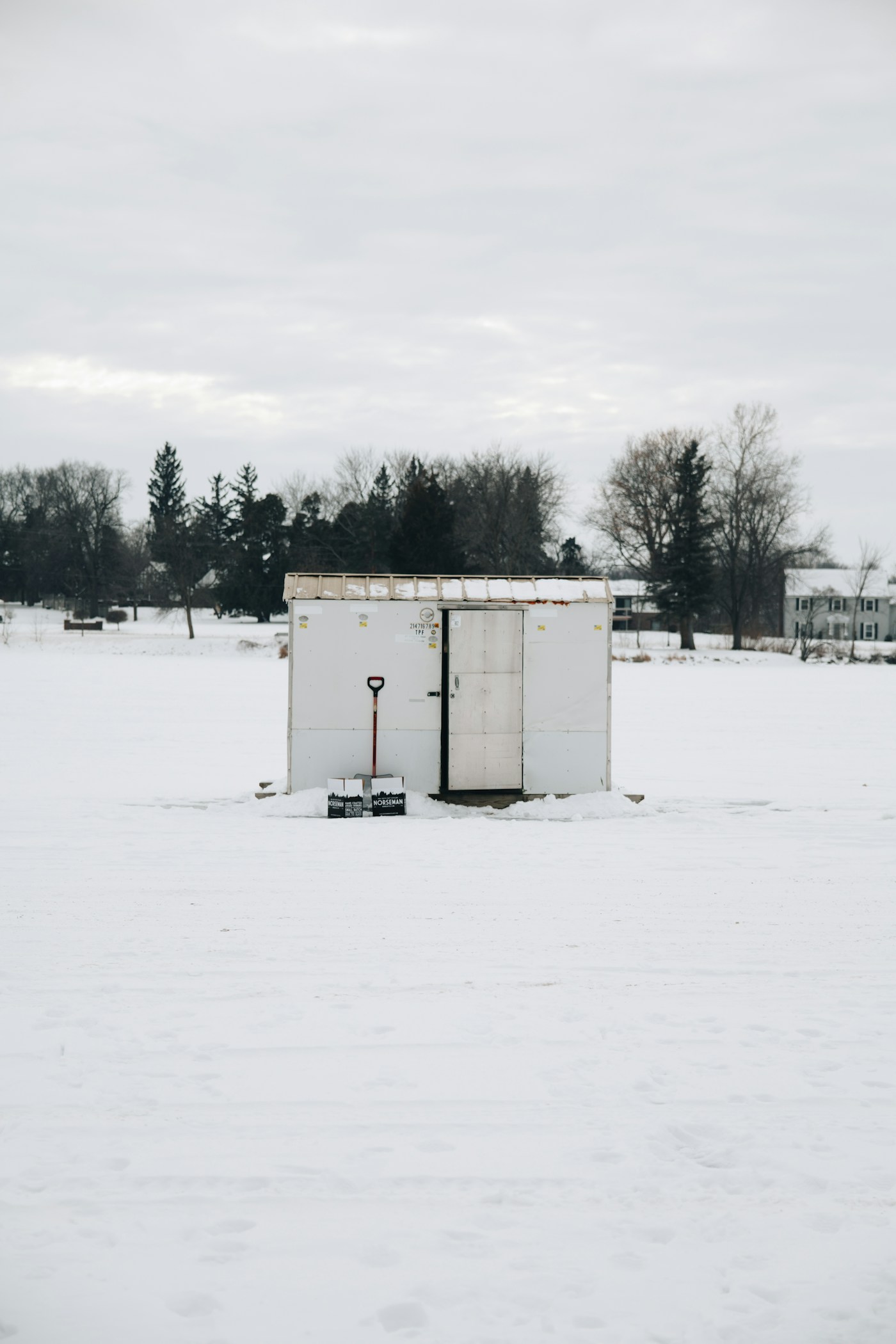
Build a winter station by the door
4. Hang shovels, the broom and the scraper on one wall rail
A short rail with hooks, or a wall-mounted tool holder with spring grips, keeps blades off the floor where they drip and get kicked. Hang them by the door you actually use to reach the driveway, with the blades low and handles up. Mount into studs or with anchors rated for the weight; a wet shovel loaded with packed snow is heavier than it looks.
Skip it if the only free wall is behind the car. A tall bucket or trash can by the door holds shovels upright without drilling.
5. Keep ice melt in a lidded bucket with a scoop
Bags of ice melt split, soak up moisture and harden into a block. Pour the bag into a lidded bucket or tub, drop a scoop inside and set it on a shelf, not the floor. Cornell Cooperative Extension notes that chemical deicers can be toxic to pets and wildlife and that sodium chloride is corrosive to cars and concrete, so read the label, use only what you need, and keep the bucket where pets can’t get into it. A small bucket of sand next to it gives you traction without salt.
6. Put a boot tray where the snow comes in
If the family comes in through the garage, a lipped tray just inside the door catches slush before it reaches the house. Size it to the boots in daily use: about 12 inches of tray length per pair is a typical starting point, but measure yours. Our winter boot storage guide walks through a full drip zone with drying spots for gloves and hats.
7. Give car-care basics one small bin
A brush-scraper, washer fluid, a pair of gloves and jumper cables in one bin by the parking spot means you aren’t hunting at 7 a.m. Keep washer fluid and car chemicals capped and on a shelf above kid height; some are poisonous if swallowed, so check each label’s warnings. For what should ride in the car itself, see our winter car emergency kit.
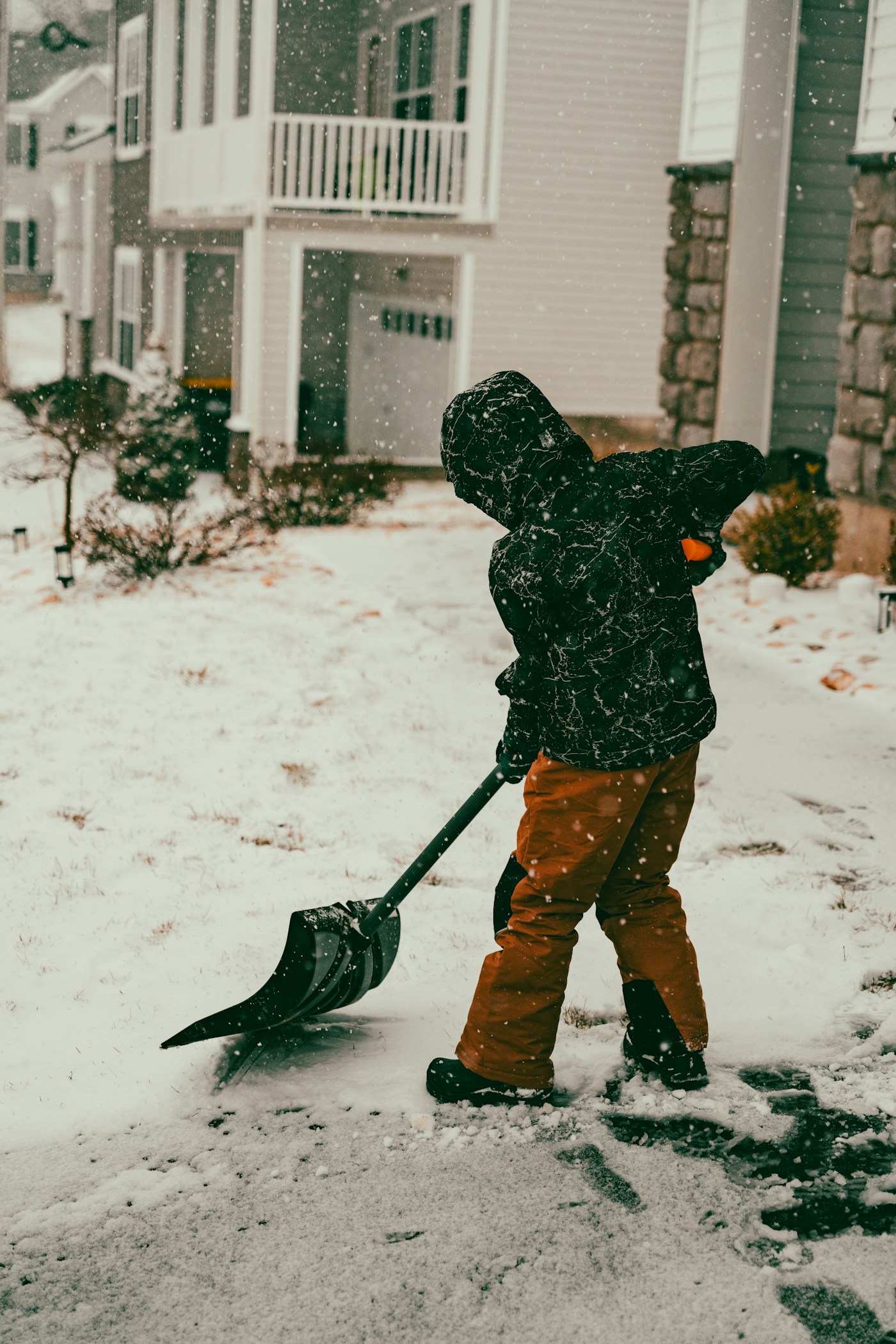
Get holiday and summer gear up and out of the way
8. Put holiday bins overhead or on the top shelf
Decorations come out once and go back once, which makes them perfect for the highest, least convenient storage you have. An overhead rack over the hood of the car is the classic spot, as long as it clears the garage door and its track. Our garage ceiling storage guide covers the three checks before you drill, and our overhead rack comparison lists sizes for different ceilings.
9. Label bins by season and contents
“Christmas: lights and tree topper” is more useful than “Xmas 2.” Label two sides so the label shows whichever way the bin goes back. A label maker makes this a five-minute job; our label maker comparison covers three styles. Wrap lights on cards before they go in, using our light storage method.
10. Hang the bikes for winter
If nobody rides until spring, get bikes onto wall hooks or a ceiling lift to free up floor beside the car. Our garage bike storage guide compares the three options by space and weight.
Store the risky stuff the right way
11. Bring paint and other freeze-sensitive items indoors
Latex paint and other water-based products can be ruined by freezing. If your garage drops below freezing, move them to a basement shelf or a closet; our guide to storing leftover paint covers the temperature range and how to seal the cans. Check each label for its own storage temperature.
12. Keep gasoline in an approved can, away from heat
Fire officials advise storing gasoline only in approved safety containers, tightly sealed, in a cool, well-ventilated spot away from any source of heat or sparks, such as a water heater, an electric motor or a car engine. Never use glass or plastic bottles. Store only as much as the snow blower or mower actually needs.
13. Lock up or lift chemicals and sharp tools
Antifreeze, pesticides, pool chemicals and fertilizer belong on the highest shelf or in a cabinet that latches, especially if kids or pets come through the garage. Put sharp and heavy tools on the wall or in a drawer, not leaning in a corner. For a tool chest that stays tidy, see our tool drawer guide.
14. Match shelving depth to what goes on it
Deep shelves swallow small things; shallow ones can’t hold a holiday tote. Plan big bins on deep shelves along the back wall and narrow shelves beside the car, where every inch of walkway counts. Anchor tall freestanding shelving to the wall so it can’t tip. Our garage shelving comparison sorts five units by depth and load rating.
| Zone | What goes there in winter | Why |
|---|---|---|
| By the house door | Shovels, broom, ice melt, boot tray | Used daily after snow |
| Beside the parking box | Car-care bin, narrow shelving | Grab from the driver’s seat side |
| Back wall, low | Snow blower, mower, gas can (sealed, away from heat) | Heavy, used less often |
| Back wall, high | Summer gear, coolers, pool toys | Out of season |
| Overhead | Holiday bins (after the season), camping gear | Comes down once or twice a year |
| Indoors | Paint, freeze-sensitive products | Garage may drop below freezing |
| Outdoors | Propane cylinders | Not stored in enclosed spaces |
- Floor cleared and sorted into keep, donate, trash, belongs inside.
- Parking box taped and empty.
- Summer gear moved back or up.
- Shovels and broom on a rail by the door.
- Ice melt in a lidded bucket, off the floor.
- Boot tray inside the house door.
- Holiday bins labeled on two sides.
- Paint moved indoors if the garage freezes.
- Gas can sealed and away from the water heater; propane outside.
- CO detectors near the bedrooms tested.
Storage to compare
Affiliate disclosure: As an Amazon Associate I earn from qualifying purchases. These are Amazon searches for the types of storage in this guide, not recommendations for a specific model. Check dimensions, load ratings and mounting needs before you buy.
Questions
Where should a snow shovel be stored?
On a wall hook or rail by the door you use to reach the driveway, blade down and off the floor. A tall bucket by the door works if you can’t drill.
Is it OK to keep ice melt in the garage?
Yes, in a sealed container on a shelf so it stays dry and away from pets. Follow the product label for storage and use.
Can I store paint in a garage over winter?
Only if the garage stays above freezing and the label’s storage range allows it. Otherwise move cans indoors.
Can I warm up my car in the garage with the door open?
No. The CDC says never to run a car or truck inside a garage attached to a house, even with the garage door open.
Sources: CDC, Carbon Monoxide Poisoning Basics · City of Bellingham Fire Department, Gasoline Storage Safety Rules · New Jersey Department of Community Affairs, Propane Gas Grill Safety Do’s and Don’ts (PDF) · Cornell Cooperative Extension, Residential Snow and Ice Removal (PDF). General guidance; follow product labels and your local fire code.
Keep reading
More guides for your space
THE KINDRED JOURNAL
Latest from the journal
- Dining Room Storage for Holiday Hosting: Measure the Walkway First, Then Fit the Sideboard
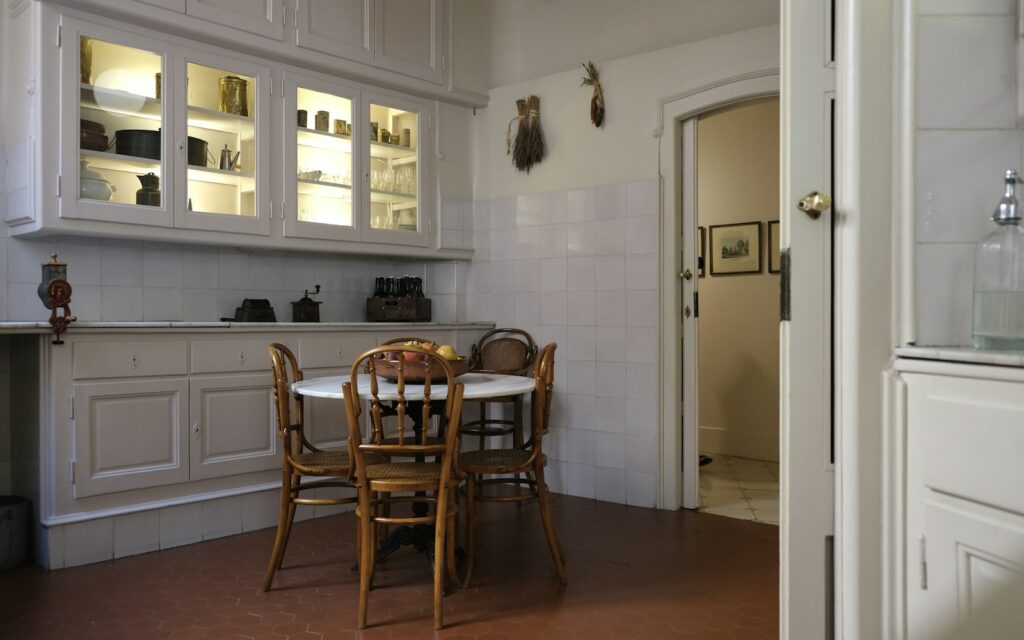 Measure the table with the leaf in, leave 44 inches where people walk and 32 where nobody passes, subtract the sideboard’s depth before you buy, anchor the hutch and give the leaf, extra chairs and holiday linens a home: dining room storage planned for the biggest night of the year, with a worked placement example.
- Winter Car Emergency Kit: 12 Things to Pack and Where Each One Should Ride
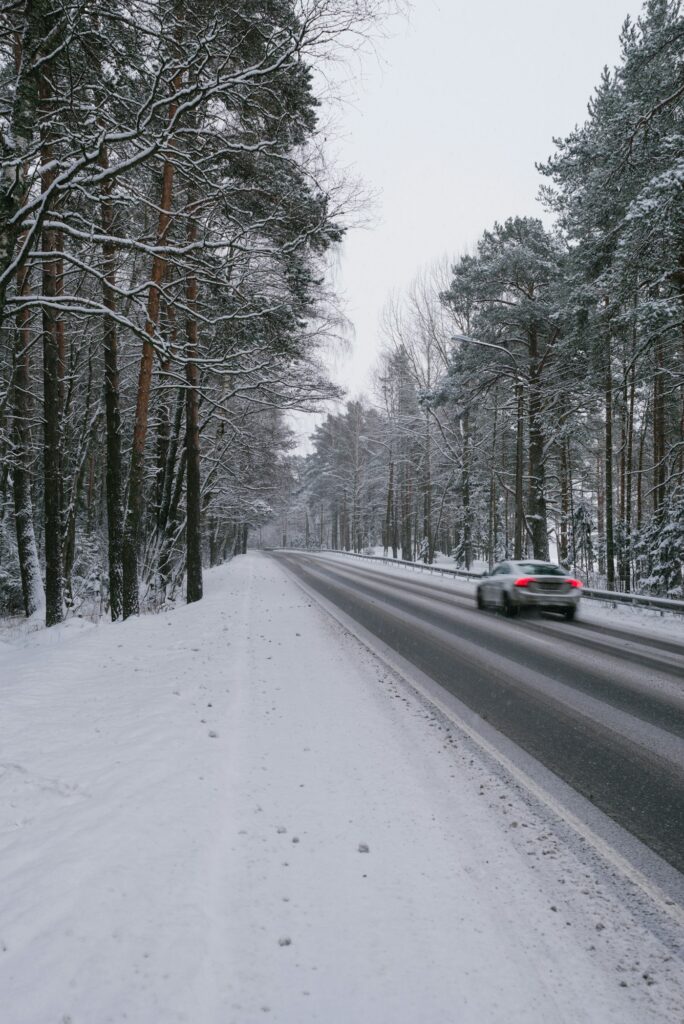 Start from the National Weather Service list, put the heavy gear in one strapped-down trunk bin, keep the blanket, light and charger in the cabin and the scraper in the door, and know the stranded-car basics: twelve ideas for a winter car kit that stays packed until February.
- Smoke and CO Alarms: A One-Hour Audit of Where They Go, How Old They Are and What to Replace
 Put a smoke alarm in every bedroom, outside each sleeping area and on every level, add CO alarms outside sleeping areas, keep them 10 feet from the stove, read the date on the back and replace anything 10 years old: a one-hour alarm audit, with a worked two-story example.
- Winter Home Maintenance Checklist: Do the Safety Jobs First, Then the Water, Then the Savings
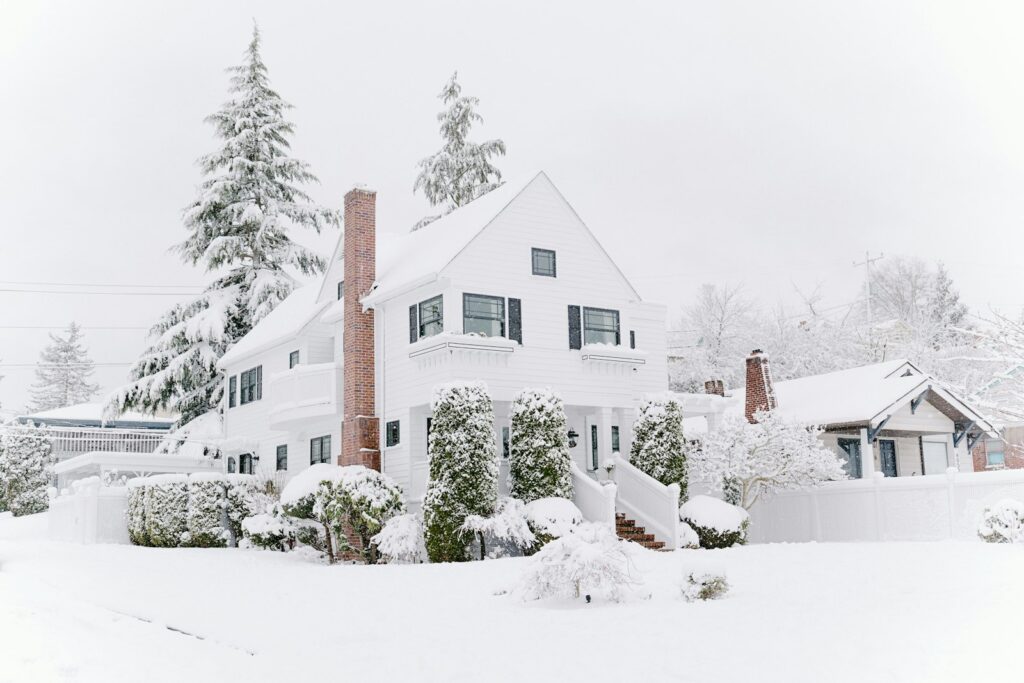 Book the furnace and chimney check, clear 3 feet around every heat source, mark the outdoor vents before snow buries them, work out how many gallons each downspout carries and extend the heavy ones: a winter maintenance checklist sorted by what happens if you skip it.
- Blanket Storage Ideas for the Living Room: 12 Ways to Keep Throws Handy (and Off the Floor)
 Keep one throw per sitter in an open basket, move the extras behind a lid, measure a folded throw before you buy, keep every blanket 3 feet from the fireplace and check that chest lids can’t latch: twelve blanket storage ideas for the living room, with a basket-fit example.
- Holiday Stain Removal: What to Do About Wine, Gravy, Wax and Cranberry Before Anything Hits the Dryer
 Blot from the back, give wine and cranberry cool water, rub dish soap into gravy, freeze and iron out candle wax, soak eggnog in an enzyme presoak and check every spot before the dryer: a holiday stain guide sorted by stain family, with a worked morning-after tablecloth example.
- Christmas Tree Safety: Where to Put It, How to Water It and When It Has to Go
 Pick a tree whose needles stay put, cut 2 inches off the trunk, water it every day, keep it 3 feet from the fireplace, heater and vents, use listed lights and get it out of the house once it’s dry: Christmas tree safety, with a placement example for a small living room.
- Charging Station Ideas: 13 Ways to Give Every Family Phone, Tablet and Earbud One Spot
 Put it where devices already land, count the ones that charge every night, swap the brick pile for one listed multiport charger and keep it open, flat and off the couch: thirteen ideas for a family charging station that ends the 7 a.m. cable hunt.
- Freezer Organization: How to Clear Room Before the Holidays and Still Find Everything in February
 Check the temperature, clear out what’s past its best, freeze flat then file upright, label everything and leave room for the 2 to 3 pounds per cubic foot your freezer can handle in a day: a freezer reset for holiday cooking, with a worked leftovers example.